22
Chapter 8
AVOID PERSONAL INJURY
AND PROPERTY DAMAGE!
ABRUPT TURNS ABOVE 30 M.P.H. MAY
RESULT IN LOSS OF CONTROL.
STEERING RESPONSE AT HIGH SPEEDS
CAN BE VERY SUDDEN.
ABRUBT TURNS MAY CAUSE YOU
TO CROSS YOUR OWN WAKE.
JUMPING A WAKE, SUDDEN TURNS, AND
INCREASES OR DECREASES IN SPEEDS
MAY BE DANGEROUS.
OPERATOR MUST MAKE SURE THAT ALL
PASSENGERS ARE SEATED SECURELY
BEFORE MAKING SPEED CHANGES.
SEACOCKS
Inspect the thru-hull seacocks before and after each outing.
Make sure the connections between the hose and the valve
are tight. Look for water leaks around the area where the
valve and hull meet.
Every 30 days open and close each thru-hull valve several
times. This will guard against the valve seizing in the open
or closed position. While doing this make sure the valve
handle is tightly fastened. Tighten any loose valve handles.
Ensure that all seacocks are closed upon leavint the vessel.
TYPICAL SEACOCK
OPEN
POSITION
CLOSED
POSITION
HANDLE
IN-LINE
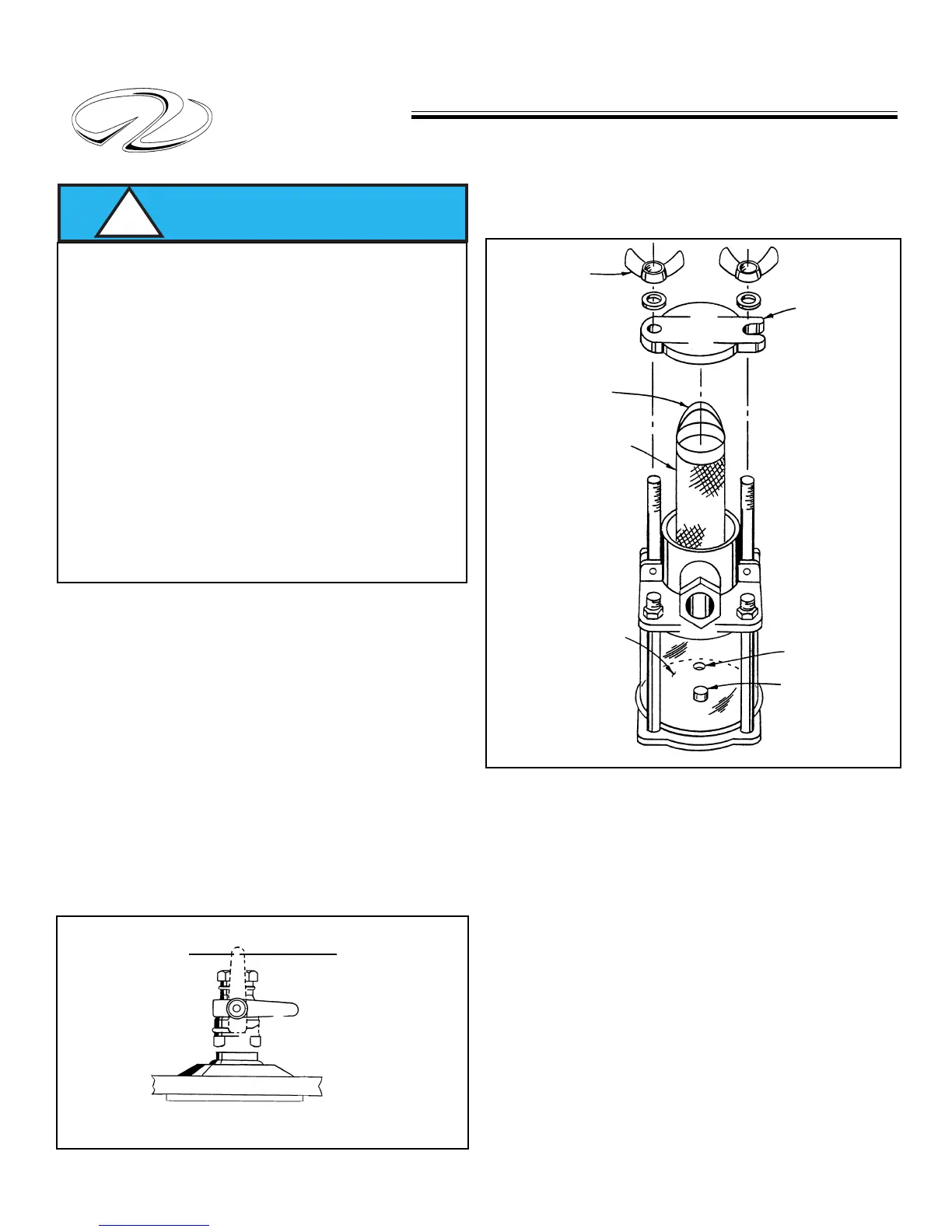
SEA WATER STRAINER
WING NUT
HANDLE
STRAINER
BASKET
CENTER
DIMPLE TO
SET BASKET
DRAIN
HOLE
STRAINER
BODY
Before servicing the sea water strainer make sure the
appropriate seacock has been closed to prevent water
entering the boat. If possible blow out the strainer basket
with compressed air or use a metal type brush to remove
any accumulated material from the screening material. Make
sure the strainer is aligned in the center dimple on
reinstallation.
Check all parts for wear and possible leaks including any
gasket surfaces. Do not overtighten the strainer wing nuts
which could cause strainer body damage. Use original
replacement marine parts only. After all parts are
reassembled open the seacock and check for leaks.
Notice the drain hole in the bottom of the strainer body.
Take the appropriate steps to ensure the strainer is
winterized properly in colder climates.
CAUTION
!


 To Next Page