EB 5866 EN 5-5
Installation
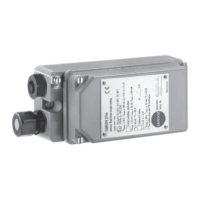
– TROVIS5725-3 Electric Actuator
with Process Controller uEB5724
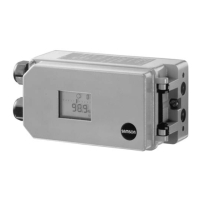
– TROVIS5725-8 Electric Actuator
with Process Controller uEB5724-8
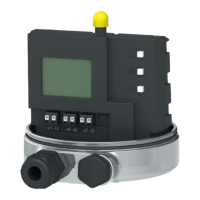
– TROVIS5757-7 Electric Actuator
with Process Controller uEB5757-7
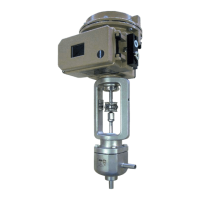
– Type2780 Pneumatic Actuator
uEB5840
5.3.3 Connecting the actuator
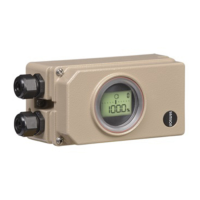
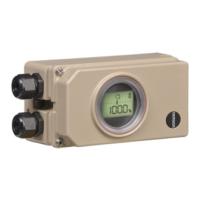
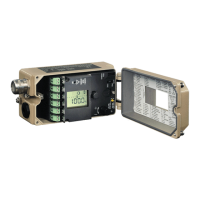
Perform the electrical or pneumatic connec-
tion of the actuator as described in the asso-
ciated actuator documentation.
Risk of fatal injury due to electric shock.
Î Do not remove any covers to perform
adjustment work on live parts.
Î Before performing any work on the de-
vice and before opening the device, dis-
connect the supply voltage and protect it
against unintentional reconnection.
Î Only use power interruption devices that
are protected against unintentional re-
connection of the power supply.
Î The electric actuators are protected
against spray water (IP54). Avoid jets of
water.
5.3.4 Conguring the actuator
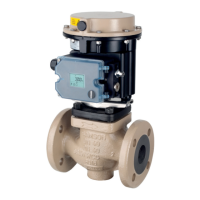
The electric actuator versions with positioner
as well as electric actuators with process
controller can be adapted to the control task.
Congure the actuator as described in the
associated actuator documentation.
For electric control valves with positioner, an
initialization needs to be performed after the
initial start-up (see associated documenta-
tion).
5.4 Testing the installed valve
Risk of bursting due to incorrect opening of
pressurized equipment or components.
Valves and pipelines are pressure equipment
that may burst when handled incorrectly.
Flying projectile fragments or the release of
process medium under pressure can cause
serious injury or even death.
Before working on the control valve:
Î Depressurize all plant sections affected
and the valve (including the actuator).
Release any stored energy.
Î Drain the process medium from all the
plant sections concerned as well as the
valve.
Risk of hearing loss or deafness due to loud
noise.
Noise emission (e.g. cavitation or ashing)
may occur during operation caused by the
process medium and the operating
conditions. Additionally, a loud noise may
briey occur through the sudden venting of
the pneumatic actuator or pneumatic valve
accessories not tted with noise-reducing
ttings. Both can damage hearing.
DANGER
!
Note
DANGER
!
WARNING
!


 To Next Page