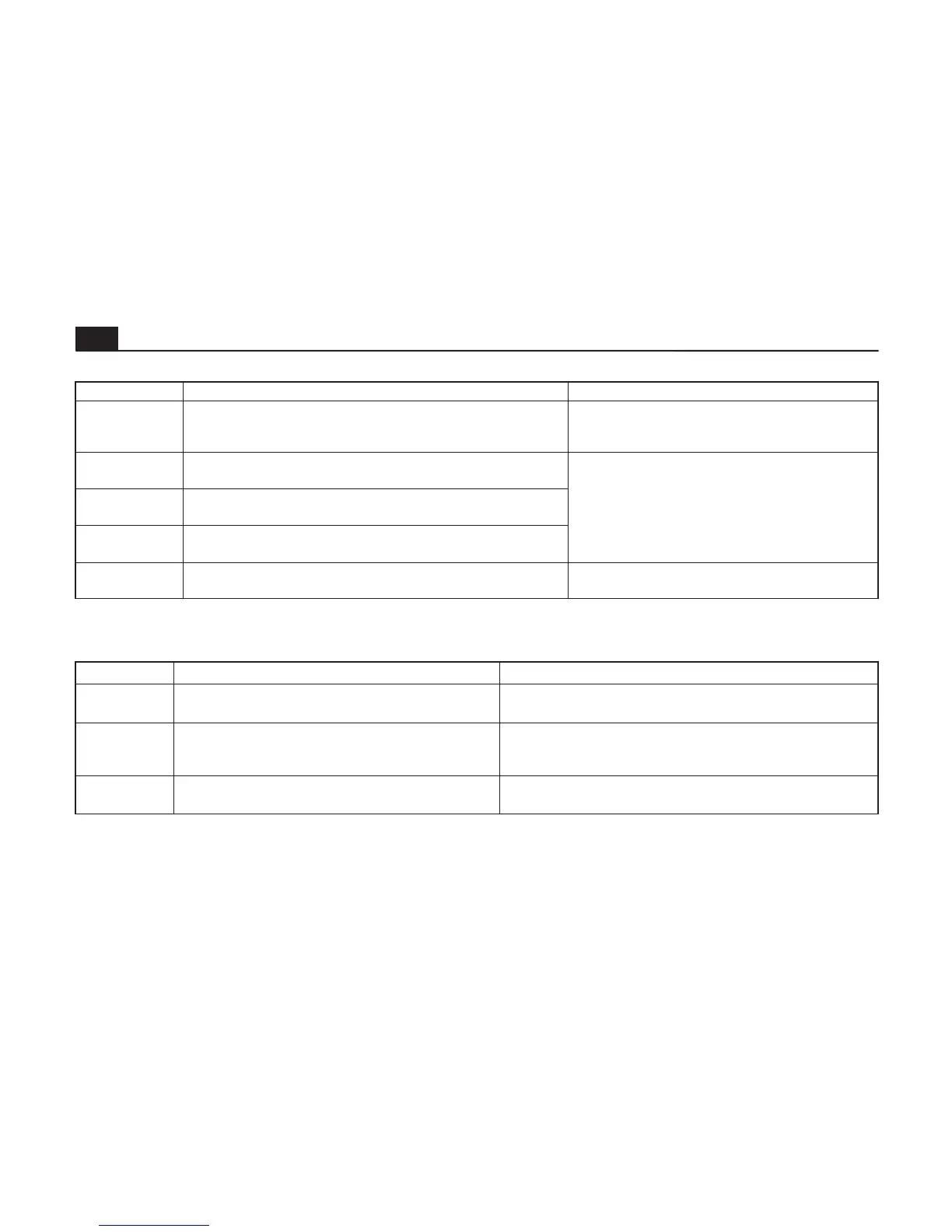
NEEDLE, FABRIC, THREAD SELECTION GUIDE
NEEDLE SIZE
FABRICS
THREAD
NEEDLE, FABRIC SELECTION
IMPORTANT: Match needle size to thread size and weight of fabric.
9-11 (70-80)
11-14 (80-90)
14 (90)
16 (100)
18 (110)
Lightweight fabrics-thin cottons, voile, serge, silk , muslin, Qiana,
interlocks, cotton knits, tricots, jerseys, crepes, woven polyester,
shirt & blouse fabrics.
Light-duty thread in cotton, nylon, polyester or
cotton wrapped polyester.
Medium weight fabrics-cotton duck, woolen, heavier knits,
terrycloth, denims.
Heavyweight fabrics-canvas, woolens, outdoor tent and
quilted fabrics, denims, upholstery material (light to medium).
Heavy woollens, overcoat fabrics, upholstery fabrics, some
leathers and vinyls.
Heavy duty thread, carpet thread.
(Use heavy foot pressure-large numbers.)
Most threads sold are medium size and suitable
for these fabrics and needle sizes.
Use polyester threads on synthetic materials and
cotton on natural woven fabrics for best results.
Always use the same thread on top and bottom.
Medium weight fabrics-cotton, satin, kettlecloth, sailcloth,
double knits, lightweight woollens.
NEEDLES EXPLANATION TYPE OF FABRIC
SINGER 2020 Standard sharp needles. Natural woven fabrics-wool, cotton, silk, etc. Qiana.
Not recommended for double knits.
SINGER 2045 Semi-ball point needle, scarfed. 9 (70) to 18 (110). Natural and synthetic woven fabrics, polyester blends.
Knits-polyesters, interlocks, tricot, single and double knits.
Also sweater knits, Lycra, swimsuit fabric, elastic.
SINGER 2032 Leather needles. 12 (80) to 18 (110) Leather, vinyl, upholstery.
(Leaves smaller hole than standard large needle.)
Note twin needle:
1. For best sewing results always use genuine SINGER needles.
2. Replace needle often (approximately every other garment ) and/ or at first thread breakage or skipped stitches.
34
Matching needle/ fabric/ thread
GB



 To Next Page