Chapter 3 – Safety
10 S2255RT S2755RT - 15286-1
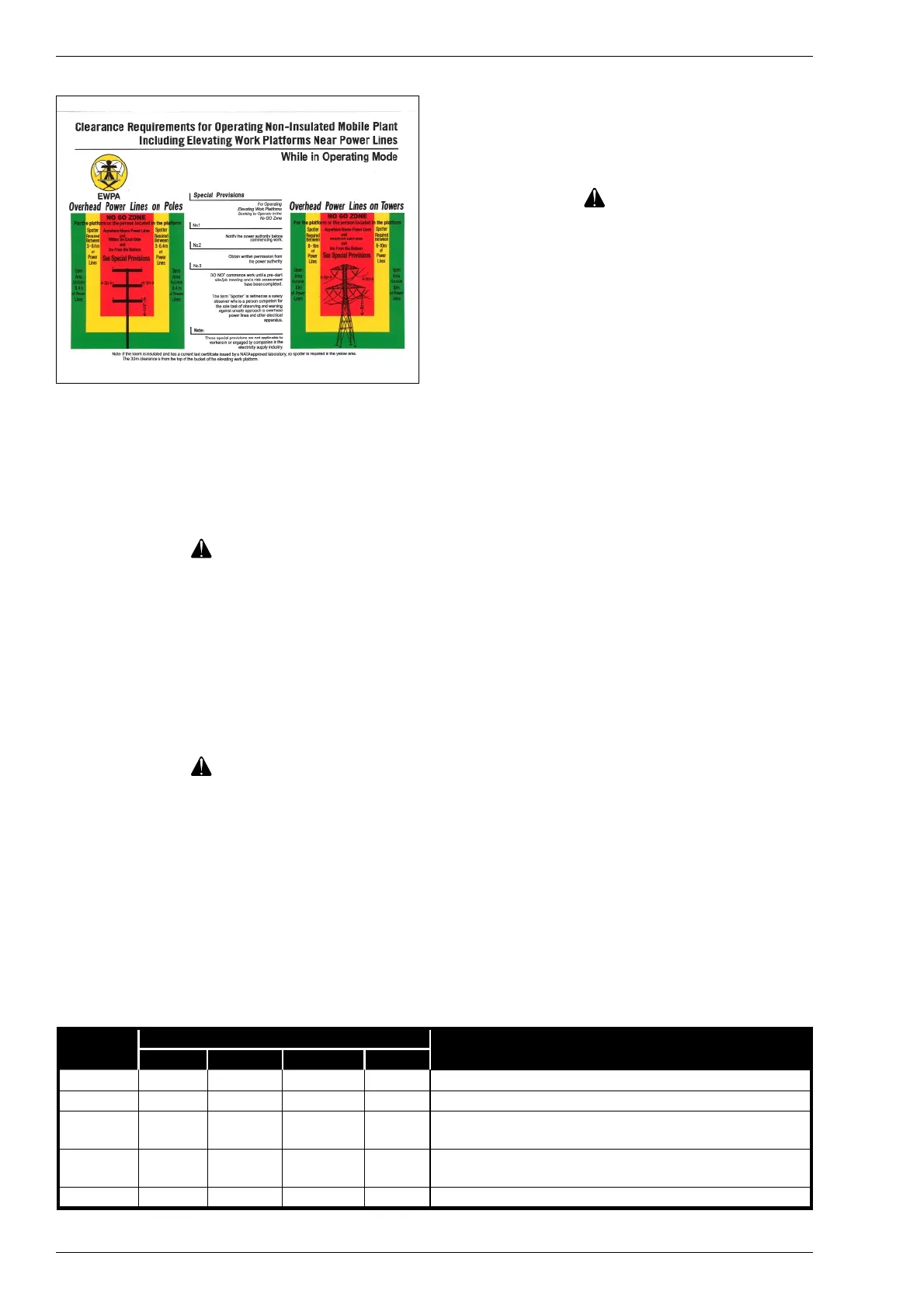
Figure 1 – Minimum Safe Approach Distance
Platform Capacity
The maximum unrestricted rated load capacity and the
maximum number of occupants for the aerial platform
are stated on machine decals, placards, and in the
machine specifi cations in this manual.
Danger
The aerial platform can tip over if it becomes un-
stable. Death or serious injury will result from a
tip-over accident. Do not exceed the capacity values
indicated on the machine decals, placards, and in
the machine specifi cations in this manual.
Manual Force
Manual force is the force applied by the occupants to
objects such as walls or other structures outside the
work platform.
Danger
The aerial platform can tip over if it becomes un-
stable. Death or serious injury will result from a
tip-over accident. Do not exceed the maximum
allowable manual force indicated on the machine
decals, placards, and in the machine specifi cations
in this manual.
The maximum allowable manual force is limited to 45 lbs
(200 N) of force per occupant, with a maximum of 90 lbs
(400 N) for all occupants.
Wind Speeds
Do not add anything to the aerial platform that will in-
crease the wind loading such as billboards, banners,
fl ags, etc.
Danger
The aerial platform can tip over if it becomes un-
stable. Death or serious injury will result from a tip-
over accident. Do not operate the machine in wind
speeds of 28 mph (12.5 m/s) or greater.
Do not operate the aerial platform in windy conditions
with wind gusts or steady wind speeds of 28 mph (12.5
m/s) or greater. Refer to Figure 2.
Prestart Inspection
Perform a prestart inspection before each shift as de-
scribed in Chapter 7. Do not use the aerial platform on
the job unless you are trained and authorized to do so.
Work Place Inspection and Practices
Do not use the aerial platform as a ground connection
when welding.
Ÿ The welding ground clamp must be attached to the
same structure that is being welded.
Ÿ Electrical current fl ow can be very intense, causing
serious internal damage to some components.
Inspect the area before and during aerial platform use.
The following are some potential hazards that may be
in the work place:
Ÿ Debris
Ÿ Slopes
Ÿ Drop-off s or holes
Ÿ Bumps and fl oor obstructions
Ÿ Overhead obstructions
Ÿ Unauthorized persons
Ÿ High voltage conductors
Ÿ Wind and weather conditions
Ÿ Inadequate surface and support to withstand load
forces applied by the aerial platform in all operating
confi gurations
Before using the aerial platform in any hazardous
(classifi ed) location, make certain it is approved and
of the type required by ANSI/NFPA 505 for use in that
particular location.
Know and understand the job site traffi c-fl ow patterns
and obey the fl agmen, road signs and signals.
BEAUFORT
RATING
WIND SPEED
GROUND CONDITIONS
m/s km/h ft/s mph
3 3,4~5,4 12,25~19,4 11.5~17.75 7.5~12.0 Papers and thin branches move, fl ags wave.
4 5,4~8,0 19,4~28,8 17.75~26.25 12.0~18 Dust is raised, paper whirls up, and small branches sway.
5 8,0~10,8 28,8~38,9 26.25~35.5 18~24.25
Shrubs with leaves start swaying. Wave crests are apparent in
ponds or swamps.
6 10,8~13,9 38,9~50,0 35.5~45.5 24.5~31
Tree branches move. Power lines whistle. It is diffi cult to open an
umbrella.
7 13,9~17,2 50,0~61,9 45.5~56.5 31.~38.5 Whole trees sway. It is diffi cult to walk against the wind.
Figure 2 – Beaufort Scale


 To Next Page