E-DOC-CTC-20060609-0001 v2.0
Chapter 2
802.11 Standards
11
2 802.11 Standards
802.11 protocol stack
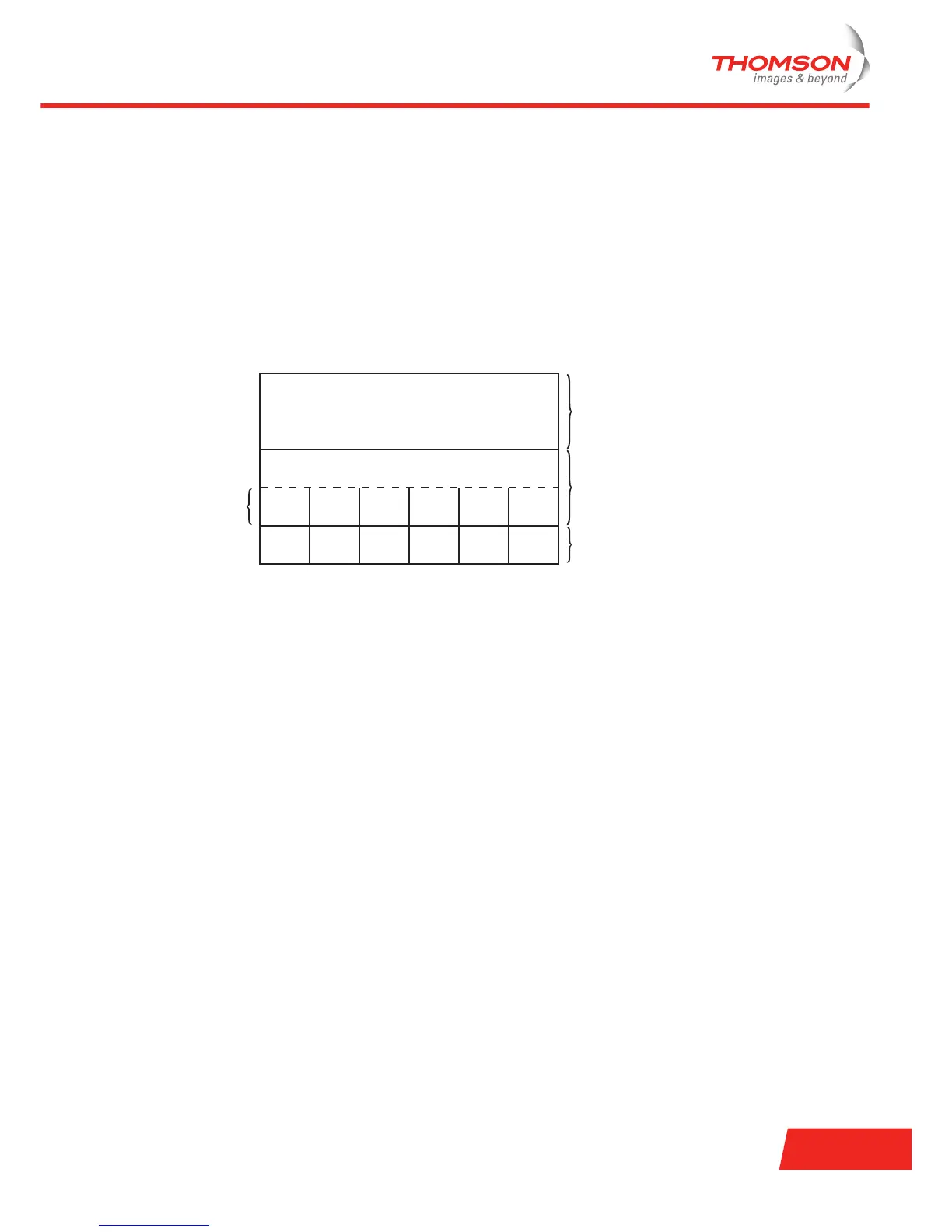
The 802.11 protocol stack is very similar to the other 802 variants (such as Ethernet). The physical layer
corresponds to the OSI physical layer and the data link layer is split into two sublayers:
> The MAC sublayer determines how the channel is allocated.
> The LLC sublayer interfaces the different 802 variants to the network layer.
The 802.11 protocol defines a number of standards which differ on the physical layer level. Depending on the
transmission technique, the following standards are defined in the 802.11 protocol stack:
History
The 1997 802.11 standard specifies a single MAC sublayer that interacts with three transmission techniques:
> Infrared
> Frequency Hopping Spread Spectrum (FHSS)
> Direct Sequence Spread Spectrum (DSSS)
These transmission techniques operate at 1 or 2 Mbps and with low power.
FHSS and DSSS use the 2.4 GHz ISM band. Both techniques are also referred to as 802.11 legacy.
All of the three standards are now outdated and replaced.
To achieve higher bandwidth two new techniques were introduced in 1999:
> Orthogonal Frequency Division Multiplexing (OFDM), used in the 802.11a standard, operating at up to
54 Mbps.
> High-Rate DSSS (HR-DSSS), used in the 802.11b standard, operating at up to 11 Mbps.
In 2001 an enhanced version of the 802.11b, namely 802.11g, was released. It also operates at up to 54 Mbps,
applying OFDM. 802.11g is backward compatible with 802.11b.
Upper Layers
Data Link Layer
Physical Layer
MAC Sublayer
802.11g
OFDM
802.11b
HR-DSSS
802.11a
OFDM
802.11
DSSS
802.11
FHSS
802.11
Infrared
Logical Link Control






 To Next Page