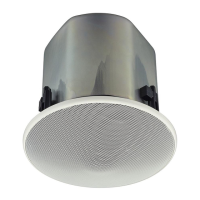
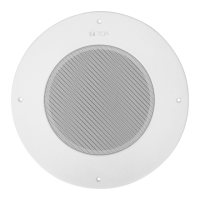
IP-A1PC238IP CEILING SPEAKER
INSTRUCTION MANUAL
Thank you for purchasing TOA’s IP Ceiling Speaker.
Please carefully follow the instructions in this manual to ensure long, trouble-free use of your equipment.
TABLE OF CONTENTS
1. SAFETY PRECAUTIONS
......................................................................................................... 2
2. SUMMARY AND FEATURES .................................................................................................. 4
3. ABOUT SECURITY MEASURES ............................................................................................ 4
4. DIMENSIONAL DRAWINGS ................................................................................................... 5
5. NOMENCLATURE AND FUNCTIONS ................................................................................... 6
6. HANDLING PRECAUTIONS .................................................................................................... 6
7. INSTALLATION PRECAUTIONS ............................................................................................ 7
8. INSTALLATION ......................................................................................................................... 7
9. CONNECTIONS ......................................................................................................................... 8
9.1. Connections to Control Input and Output Terminals ............................................................ 8
9.2. Removable Terminal Plug Connections .............................................................................. 9
10. SETTINGS .............................................................................................................................. 10
10.1. System Settings Summary ............................................................................................... 10
10.2. System Requirements ...................................................................................................... 10
10.3. Connection with Browser ................................................................................................. 11
11. INITIALIZATION OF SETTINGS ......................................................................................... 12
12. CAUTIONS REGARDING THE AVC/H.264 PATENT LICENSE ..................................... 13
13. OPEN SOURCE SOFTWARE .............................................................................................. 13
14. ACCESSORIES ..................................................................................................................... 13


 To Next Page


 General