11
9. EMPTYING THE HOPPERS
7.
EMTYING THE HOPPERS
Emptying the fertilizer hopper
The fertilizer hopper is usually emptied through the coulters. Adjust the feeder to maximum feed, spread e.g. a
tarpaulin under the machine and turn the bottom valve lever of the fertilizer feeder to its lowest position. The
hopper is almost completely emptied. Use e.g. a brush to push the remaining fertilizer to the feeding
chambers. Turn the feeder a few rounds with the crank in order to empty the chambers. Swing the bottom
valves quickly with the lever a few times to remove any possible fertilizer remains.
Emptying the seed hopper
The seed hopper is emptied in a similar way to the fertilizer hopper.
10. USING AND ADJUSTING THE SEED FEEDING DEVICE
Overview
The seed feeder consists of threaded cylinders, bottom valves equipped with springs, and adjustable bottom
plates (figure 10). The feeding chambers are located on the bottom of the hopper. This solution enables
maintaining a stable dosage of seed despite possible tilting of the machine either sideways of towards the
driving direction. The feeding device is made of non-corrosive materials. The bottom valves under the feeding
rollers are adjustable. The adjustment lever is at the rear end, in the middle of the machine (figure 10). For
seeding fine seeds the gear ratio of the power transmission can be adjusted by turning the power
transmission cassette.
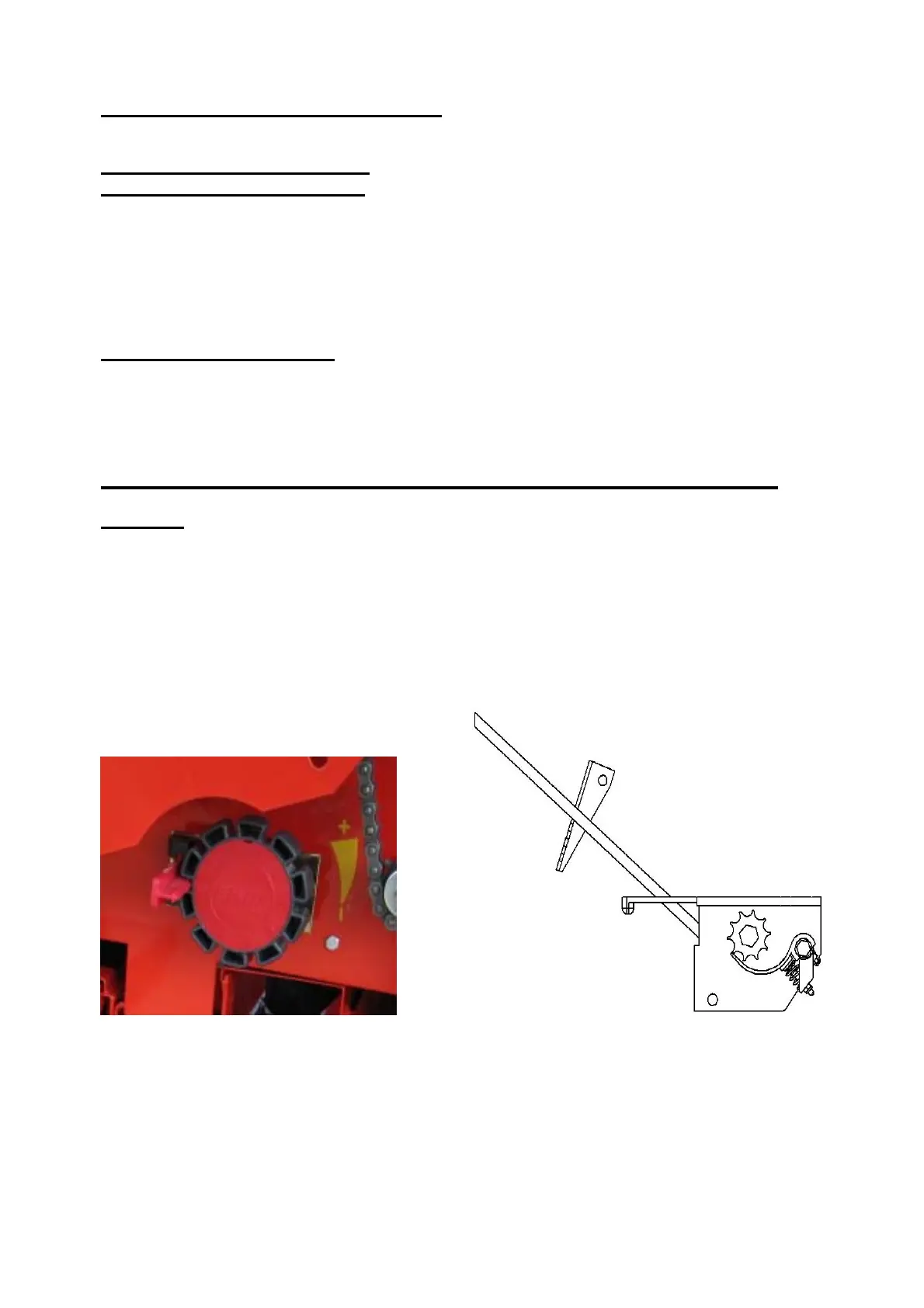
FIGURE 9. Adjusting the feed with hand wheel FIGURE 10. The feeder operating principle
Seed dosage is regulated by adjusting the feeding roller sideways in relation to the feeding chamber with the
hand wheel located on the left. The hand wheel is locked with a plastic lever, which also contains the main
feeder dosage scale of 0-10. The numbers correspond to one hand wheel round. The adjustment is read from
the inner surface of the hand wheel. The hand wheel has 10 locking positions per one turn, marked by the
numbers 0-9. This amounts to a total of 100 different adjustments. Correspondingly, when using fine seed



 To Next Page