ALWAYS obtain advice before mixing oils; some are incompatible. If in doubt
drain and refill.
NEVER allow oils and fuels to come into regular contact with skin. This can
lead to serious skin diseases including, medical evidence suggests, skin
cancer. ALWAYS wear protective gloves when handling oils and fuels
whether topping up, draining or refilling. ALWAYS wash hands if oils or fuels
come into contact with the skin.
Many liquids used in this machine are harmful if taken internally or splashed
into the eyes. In the event of accidentally swallowing oils, fuels, anti-freeze,
battery acid etc, DO NOT encourage vomiting, seek qualified medical
assistance immediately.
ALWAYS dispose of waste oils and fuels into waste oil storage tanks. If
storage tanks are not available consult your distributor or local authority for
addresses of local designated disposal points. It is illegal to dispose of waste
oil into drains or water courses or to bury it.
Equipment which includes friction materials will sometimes contain asbestos.
When removing friction material dust from components, such as when
servicing brakes or clutches, do not blow out with an airline; it could be
harmful to inhale the dust. Remove the dust with a vacuum cleaner or wipe
clean with a damp rag. Waste should be placed in a sealed container,
marked, and disposed of in accordance with local or national regulations.
The accumlated dust found in clutch housings may contain lead/antimony.
No food should be eaten at a work place contaminated by this dust. Hands
must be washed before eating. Do not blow out dust with an airline.
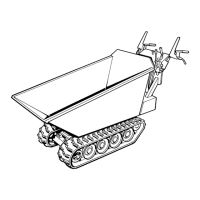
NEVER work under an unpropped skip. If the skip was supplied with a
special skip support always ensure that it is used.
ALWAYS ensure that when using a starting handle that it is clean and in
good condition. Keep the engine starting dog and the part of the starting
handle that mates with it lightly lubricated (Refer to the Engine Handbook).
SAFE WORKING 1.5



 To Next Page