22 / 58
Identificazione: MD-AL-GI-00
Rev. 4.0 del 31.01.18 - Applicazione: GID
Manual of 11/06/2019 Rev. 1.8 “User Manual for 3000SP storage inverter”
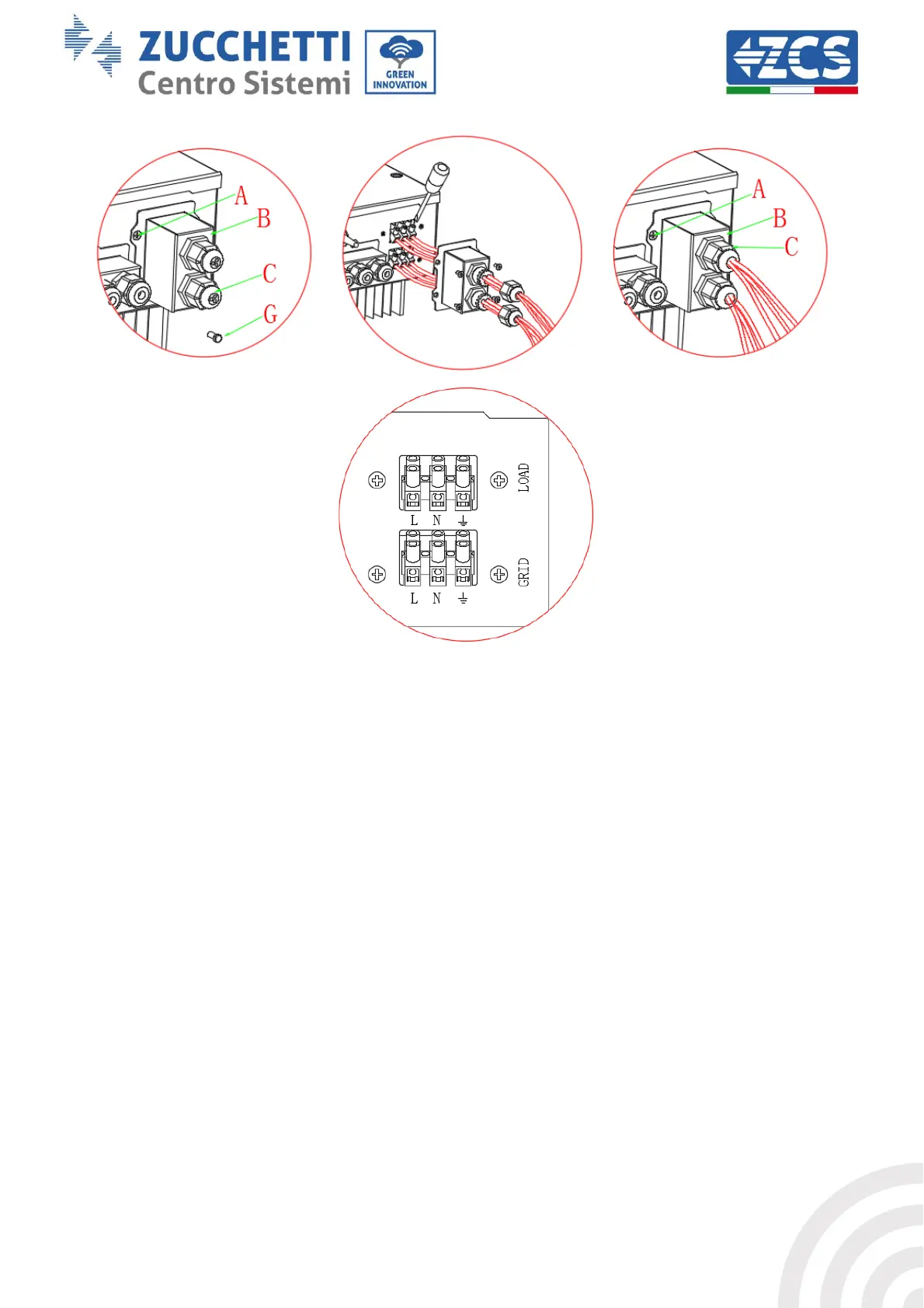
Figure 16 – Connecting the network cable to the GRID terminal
4.4 Connecting the critical loads (EPS function)
In the event of a power failure, if the EPS function is enabled and the batteries are sufficiently charged, the
3000SP inverter will go into EPS mode (emergency power), drawing energy from the battery pack and
supplying power to the critical loads via the LOAD port.
The LOAD output must only be used to connect the critical loads; therefore, the user must choose the
domestic utilities to be activated in the event of a blackout (e.g. lights, refrigerator, freezer, small household
appliances). Do not connect all the domestic utilities to the LOAD output, as this would compromise duration
and operation of the EPS mode; in particular, certain loads, such as the electric motors of some pumps, may
require inrush currents much higher than those tolerated by the inverter, causing a power failure.
The EPS function requires an AC power meter (2NC + 2NA double-switchover contactor) to be installed in
the system, which is not included in the kit of the storage inverter, and can be purchased separately from a
retailer that sells electrical equipment. Install this contactor (see the diagrams and images shown in figures
16 and 17) according to the diagram shown in figure 9, so as to connect the critical loads and electrical grid
coming from the import/export meter to the normally closed input, and the critical loads and LOAD input of
the storage inverter to the normally open input. In this way, the critical loads will normally be powered by
the grid, like any other domestic utility, while in the event of a blackout, the meter will switch its input so
that the critical loads will be powered directly by the batteries.




 To Next Page