Background Tasks
www.3ware.com 145
Initialization of RAID 1 and RAID 10 Units
RAID 1 and RAID 10 units do not need to be initialized when they are created
to be fault tolerant and are immediately available for use with full
performance when created.
Initialization of RAID 1 or RAID 10 units will take place automatically the
first time the unit is verified.
Initialization of a RAID 1 unit results in data from one disk (the disk on the
lower port number) being copied to the other disk. In RAID 10 units, data
from one half of the unit is copied to the other half.
After the initialization, subsequent verifies to a RAID 1 or RAID 10 unit
check for data consistency by comparing the data from one drive (or set of
drives) to the other drive (or set of drives).
Notes:
For RAID 5 with more 5 or more drives, it is strongly recommended that you
initialize the unit before using it. Initializing such a unit is critical to insuring data
integrity on the unit.
For RAID 5 with 3 or 4 drives, initialization before use is not required. However,
initialization is required before a unit can be verified. Consequently, if you attempt to
verify a RAID 5 with 3 or 4 drives that has not yet been initialized, you will see a
message that the array has not been initialized, and initialization will begin. This is
considered part of normal operation of the unit.
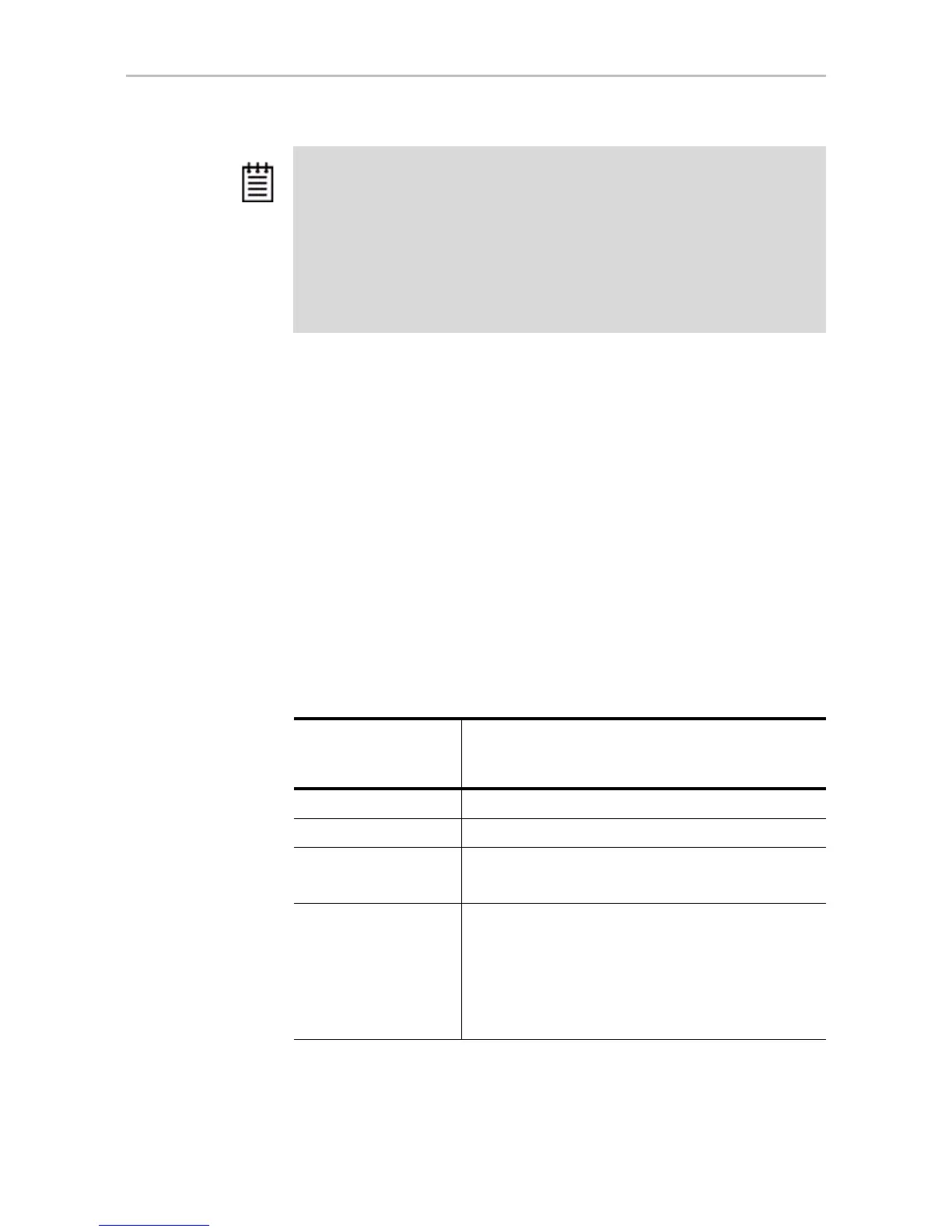
Table 12: Initialization Requirements for Different RAID
Configurations
Initialization Required
for Highest
Performance?
RAID Configurations
No Single drive
No RAID 0
No RAID 1
RAID 10
No RAID 5 with 3 or 4 disks
RAID 50 with 6, 8, or 9 disks
RAID 50 with 12 disks in 3 subunits of 4
RAID 50 with 12 disks in 4 subunits of 3
RAID 50 with 16 disks in 4 subunits of 4


 To Next Page