Section III - Guidelines
39
the neck, arms, legs, etc. with the metallic bed frame or stretcher frame during use.
4) First responder must not touch the patient and the equipment at the same time.
5) Do not touch the patient during device’s preparation of defibrillation or during
defibrillation shock administration.
*Failure to heed this warning may result in unintentional shock to first responder.
6) If any problem is found during operation, turn off the power and see the
instructions manual.
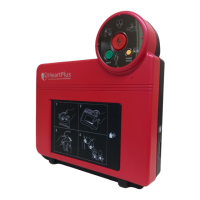
5. HeartPlus™ is recommended for use by first responders familiar with
AED operation and CPR administration.
HeartPlus™ is simple and user-friendly, so there is a good chance of successful use
by a layman; however, chances of successful resuscitation increases with first
responder’s familiarity with AED operation and CPR administration.
6. The state of HeartPlus™ should be checked periodically.
1) Self-diagnostics test on circuitry, which ensures device integrity, is performed
every day, and in case that any problem occurs, the state indicator light and
warning sounds will alert nearby individuals and administrators. However, if the
device is kept isolated at all times, without a sensor to detected errors and
deliver warnings to remote administrators, no one will know the device has an
error or the battery is running low.
7. When replacing a battery pack, take care to not have your fingers
pinched during the process of insertion.
8. When a battery pack is damaged, dispose of it properly.
1) The battery pack contains disposable lithium-ion battery.
2) Contact your local government or recycling center for instructions on proper
disposal of lithium-ion batteries.
3) When the inner battery is damaged, there is a risk of fire and explosion.
9. Precautions for using electrode pads
1) Attach the pads connectors to the pads attachment port by lifting the lock


 To Next Page