
EasyManua.ls Logo

ASTRO KB Series - User Manual

ASTRO KB Series
67 pages
Print Icon
To Next Page IconTo Next Page
Loading...
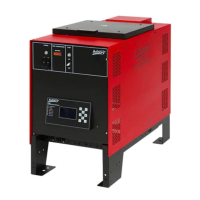
KB Series
KB30, KB50, KB100
Hot Melt Units
Product Manual
Manual Number: 19600-159
1-800-642-7876

Table of Contents

Questions and Answers

  • A
    Ashley MorrisAug 19, 2025
    How to troubleshoot tank heating failure in ASTRO Melting Machines?
    • B
      Bryan CarterAug 19, 2025
      If the tank fails to heat on your ASTRO Melting Machine, here are a few things you can check: * First, ensure the system power switch is in the On position. If the switch light doesn't illuminate, the switch might need to be replaced. * Inspect the power-in connections for a proper fit and check for any faulty wires. Also, inspect the connection of the power wires at the main power supply source. * Determine the exact voltage of the melt unit, as insufficient voltage can cause heating problems. Use a voltmeter to check the voltage supplied to the unit. * Refer to the electrical schematic to verify that the melt unit is wired correctly. * Adjust the tank temperature controller. * The overtemperature (O.T.) switch is a safety feature that prevents the melt tank from overheating.
  • R
    reginaldsalazarAug 21, 2025
    What to do if the pump motor is overloaded on my ASTRO Melting Machine?
    • M
      Matthew WongAug 21, 2025
      If the pump motor on your ASTRO Melting Machine is overloaded, consider the following: 1. Adjust the tank temperature controller. 2. Ensure the pump motor On/Off switch is in the On position. 3. Correctly adjust the flow control valve (F.C.V.) to achieve the desired pumping performance. 4. Check the pump motor as a last step in troubleshooting. 5. Remove any foreign material from the pump and tank. 6. Increase the melt tank and supply hose temperatures. 7. Keep in mind that adhesive formulations can contribute to these issues.
  • M
    Michael SolomonAug 23, 2025
    Why does the pump motor stall in my ASTRO Melting Machine?
    • C
      Christopher BakerAug 25, 2025
      If the pump motor stalls on your ASTRO Melting Machine, here are some things to check: 1. Adjust the tank temperature controller. 2. Adjust the flow control valve (F.C.V.) correctly to achieve the desired pumping performance. 3. The pump motor is normally the last item to check when troubleshooting. 4. Remove any foreign material from the pump and tank. 5. Increase melt tank and supply hose temperatures. 6. Adhesive formulations can be a factor.
  • J
    Justin HillAug 26, 2025
    How to troubleshoot low adhesive output in ASTRO KB Melting Machines?
    • V
      Vanessa FowlerAug 26, 2025
      If the adhesive output is too low on your ASTRO Melting Machine, try the following: * Adjust the flow control valve (F.C.V.) correctly to achieve the desired pumping performance. * Adjust the supply hose temperature controller. * Adjust the tank temperature controller. * Remove any foreign material from the pump and tank. * Determine which pump is mounted in your melt unit. * The pump motor is normally the last item to check when troubleshooting. * Increase melt tank and supply hose temperatures.
  • E
    Eileen PooleAug 27, 2025
    What causes the pump motor breaker to throw in ASTRO KB?
    • J
      James JohnsonAug 28, 2025
      If the pump motor breaker throws on your ASTRO Melting Machine, try the following: * Determine the exact voltage of the melt unit, as insufficient voltage can cause this issue. * Refer to the electrical schematic and check the actual wire connections to ensure the melt unit is wired properly. * Ensure the pump motor On/Off switch is in the On position. * Adjust the flow control valve (F.C.V.) correctly to achieve the desired pumping performance. * The pump motor is normally the last item to check when troubleshooting.
  • J
    Julia EvansAug 30, 2025
    How to decrease high adhesive output from ASTRO Melting Machines?
    • S
      Sherri MorganAug 30, 2025
      If the adhesive output is too high on your ASTRO Melting Machine, consider: * Adjusting the flow control valve (F.C.V.) correctly to achieve the desired pumping performance. * Adjusting the supply hose temperature controller. * Adjusting the tank temperature controller. * Checking the pump motor as a last troubleshooting step.
  • M
    Mr. David ReynoldsSep 1, 2025
    What to do if valving heads won't fire on ASTRO KB?
    • L
      Lisa LawsonSep 1, 2025
      If the valving heads won't fire on your ASTRO Melting Machine, try these steps: * Ensure the system power switch is in the On position. * Determine the exact voltage of the melt unit. * Refer to the electrical schematic and check the actual wire connections. * Adjust the supply hose temperature controller. * Determine if the applicator is heating using a surface temperature probe or a temperature-sensing device. * Clean the applicator nozzle. * Make sure the HAT switch is in the Run position.
  • M
    Michelle AlvaradoSep 3, 2025
    Why is there excessive smoking from the tank and gun of my ASTRO Melting Machine?
    • S
      sarah16Sep 3, 2025
      If you notice excessive smoking from the tank and gun of your ASTRO Melting Machine, here are some things to consider: * Adjust the tank temperature controller. * Adjust the supply hose temperature controller. * Keep in mind that adhesive formulations can contribute to this problem.
  • S
    Sylvia BaileySep 5, 2025
    How to fix slow tank heating in ASTRO Melting Machines?
    • S
      Sara HartmanSep 5, 2025
      If the tank heats slowly on your ASTRO Melting Machine: 1. Determine the exact voltage of the melt unit, as insufficient voltage can cause this problem. 2. Adjust the tank temperature controller. 3. If the problem persists, consider solutions #1 through #6, and if necessary, replace the tank heaters.
  • J
    Jessica AndersonSep 7, 2025
    What causes the applicator and supply hose to overheat in ASTRO KB?
    • B
      Brad BarnettSep 7, 2025
      If the applicator and supply hose overheat on your ASTRO Melting Machine: 1. Determine the exact voltage of the melt unit, as insufficient voltage can cause this issue. 2. Adjust the supply hose temperature controller. 3. Determine if the applicator is heating by using a surface temperature probe or a temperature-sensing device.

Summary

Safety Precautions for Hot Melt Applicator Equipment

Intended Use

Defines the intended purpose and limitations of the hot melt equipment for safe operation.

Personal Safety

Outlines essential personal protective equipment and safe practices for operators working with the equipment.

Electrical Safety

Details safe electrical connection, grounding, and power requirements for the equipment.

Emergency Power Disconnect

Explains the procedure for safely shutting off power in emergencies to prevent hazards.

Follow Directions

Emphasizes the importance of reading and following the manual for safe operation and avoiding damage.

Safety Symbols and Signal Words

Explains hazard symbols (Danger, Warning, Caution) and their meanings for user safety.

Introduction to KB Series Hot Melt Units

Description

Provides an overview of the KB30, KB50, and KB100 Series hot melt units and their applications.

Features

Lists the key features and capabilities of the hot melt units, highlighting design advantages.

Specifications for KB Series Hot Melt Units

Electrical Specifications

Details electrical specifications including input voltage, frequency, and circuit breaker ratings.

Physical Specifications

Outlines physical characteristics like system type, air requirements, pump type, and weight.

Performance Specifications

Covers performance metrics such as warm-up time, maximum melt rate, and adhesive viscosity.

Dimensions

Provides detailed dimensional drawings and measurements for KB30, KB50, and KB100 units.

Operating Pressure and Adhesive Flow

Lists pump and motor combinations with their flow rates and operating pressure ranges.

Adhesive Flow Path

Illustrates the flow path of the adhesive through the melt unit components.

Temperature Controller Options

Describes different temperature controller models, their capacities, accuracy, and features.

Installation Procedures for KB Series Units

Shipping and Handling

Provides guidance on how the melt units are shipped and how to handle them safely.

Supporting the Melt Unit

Details how to properly position and secure the melt unit for safe operation and servicing.

Component Installation

Covers the installation procedures for various components of the melt unit, including hoses.

Electrical Circuits and Wiring

Details the electrical connections and wiring requirements for the melt units.

Customer Hookups

Describes various optional terminal connections for external signaling and control.

Operating the KB Series Hot Melt Units

Controls and Indicators

Identifies and explains the function of all controls and indicator lights on the unit.

Startup Procedure

Provides a step-by-step guide for safely starting up the hot melt unit for the first time.

Adjustments

Explains how to perform temperature and flow control adjustments on the unit.

Maintenance of KB Series Hot Melt Units

Preventive Maintenance

Outlines daily, monthly, and as-needed maintenance tasks to ensure unit longevity.

General Maintenance

Covers general maintenance procedures, including warnings, inspections, and cleaning.

Repair and Replacement Procedures

Supply Hose Replacement

Details the procedure for replacing the hot melt supply hose.

Hose Controller Replacement - Bimetallic

Explains how to replace the hose controller for bimetallic systems.

Pump Motor Replacement

Provides steps for replacing the pump motor assembly.

V4 Pump, Flow Control & Drive Shaft Replacement

Details replacement procedures for V4 pump, flow control valve, and drive shaft assembly.

Parts List for KB Series Hot Melt Units

Pumps, V4 and Accessories

Lists part numbers and descriptions for V4 pumps and related accessories.

Pumps, V2 and Accessories

Lists part numbers and descriptions for V2 pumps and related accessories.

Pumps, V3 and Accessories

Lists part numbers and descriptions for V3 pumps and related accessories.

Standard Melt Unit Switches

Lists part numbers for various switches used in the melt units.

HAT Switches

Lists part numbers for HAT switches and their definitions.

Tank Heaters

Lists part numbers for different tank heater kits.

Standard Fan-Cooled Motors

Lists part numbers for standard fan-cooled motor assemblies and groups.

Standard Fan-Cooled Motor Support

Lists part numbers for motor support components like couplings and breakers.

Temperature Controllers

Lists part numbers for various tank and hose temperature controllers.

Tank Level Sensors

Lists part numbers for tank level sensors.

Weather-Resistant Housing

Lists part numbers for weather-resistant housing kits.

Chassis Fans

Lists part numbers for chassis fan kits.

Reverse Hose Mounting Kits

Lists part numbers for reverse hose mounting kits.

Adhesive Pressure Gauges

Lists part numbers for adhesive pressure gauges.

Melt Unit Stand;Bracket

Mentions stand/bracket availability and contact for configurations.

Miscellaneous

Lists various miscellaneous accessories and kits for the melt units.

Appendix A: Component Resistance Tables

Hose;Applicator Fuse Size Specification

Provides fuse size specifications for hoses and applicators based on voltage.

RTD Sensor Resistance

Lists RTD sensor resistance values at different temperature points.

Heater Resistance

Shows heater resistance values for tank and motor components.

E100 XT Automatic Applicator Resistance

Details resistance values for the E100XT automatic applicator.

Warranty Information

Product Warranty Overview

Lists products and their corresponding warranty periods.

Warranty Terms and Conditions

Details Astro Packaging's liability, exclusions, and customer remedies under the warranty.

ASTRO KB Series Specifications

General IconGeneral
BrandASTRO
ModelKB Series
CategoryMelting Machines
LanguageEnglish