MRI Scan Procedure Protocol
1. Programming the Pulse Generator for a Scan
2-9
CAUTION: The physician choosing MRI Protection Mode parameter values will need to
exercise professional judgment to determine an individual patient’s ability to tolerate the pacing
parameters required for MR Conditional scanning, in conjunction with the physical conditions
required during a scan (for example, prolonged time in a supine position).
CAUTION: If the MR Conditional Pacing System enters Safety Core Operation during MRI
Protection Mode and the pacing mode was set to a value other than Off, MRI Protection Mode
pacing will be automatically switched to VOO mode, RV bipolar configuration (sensing and
pacing), 5.0 V pace pulse amplitude, 1.0 ms pulse width, and 72.5 min
-1
pacing rate as the safety
mode.
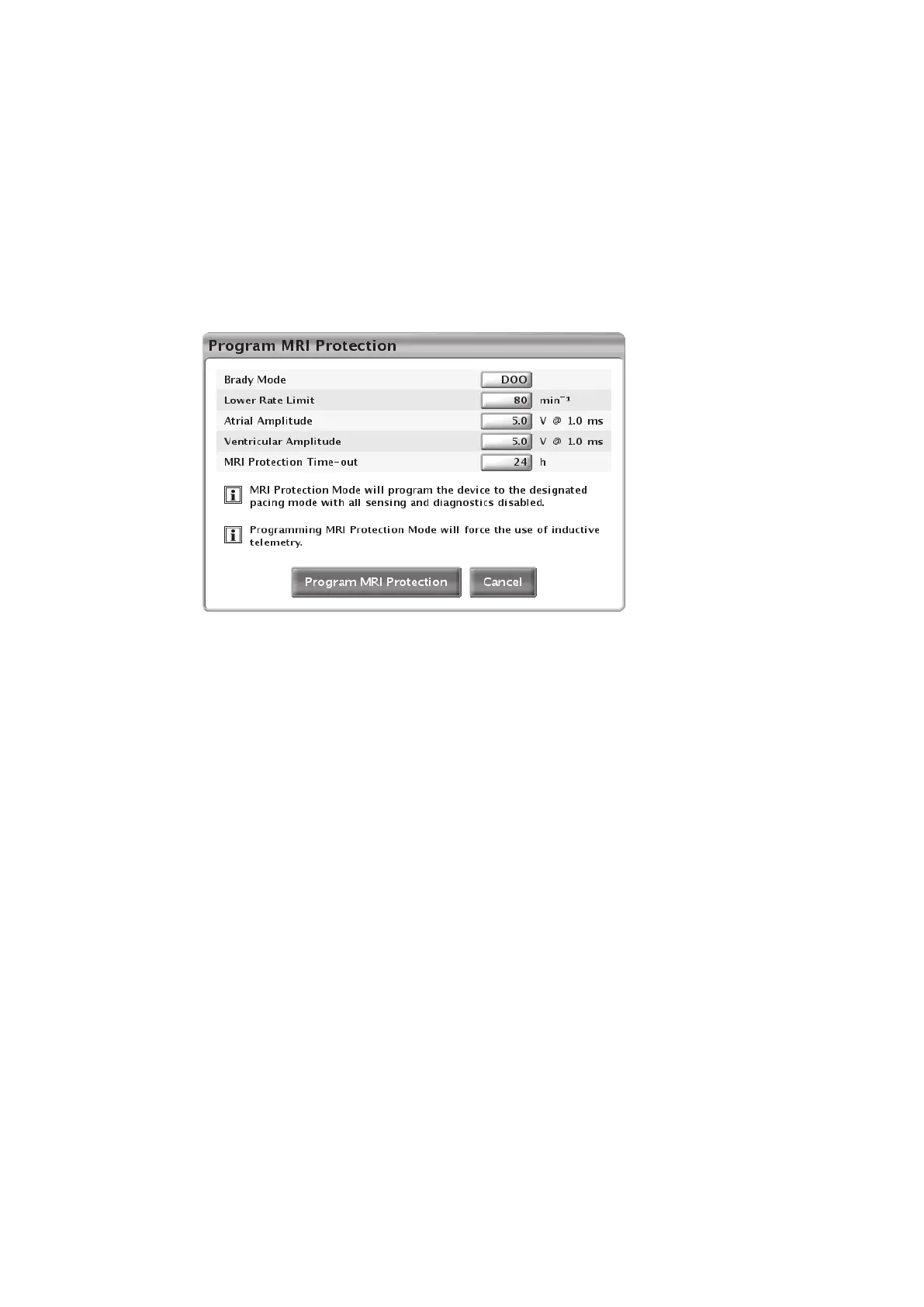
Figure 2–5. Program MRI Protection dialog
NOTE: Use of the wand is necessary to complete entry into MRI Protection Mode. Keep the
wand in place until receiving confirmation that MRI Protection Mode is programmed. Wanded
communication is also required for manual cancellation of MRI Protection Mode (see Manual Exit
from MRI Protection Mode in "After the Scan" on page 2-14).
After the values are chosen, the Program MRI Protection button is selected. Selection of the
Program MRI Protection button triggers two additional tests: Previous Pacing Threshold and
Pacing Lead Configuration. If the results indicate that the Previous Pacing Threshold is less than
or equal to 2.0 V and the Pacing Lead Configuration is bipolar, the device enters MRI Protection
Mode and the MRI Protection Mode Programmed screen (Figure 2–7 MRI Protection Mode
Programmed dialog on page 2-10) appears. The two tests are described below.
Previous Pacing Threshold
The most recently recorded pacing threshold test results (whether from a commanded or
automatic test) are used by the programmer to determine if pacing thresholds are less than or
equal to 2.0 V, a Condition of Use applicable to pace-dependent patients. Thresholds greater
than 2.0 V may result in an insufficient safety margin and failure to capture in MRI Protection
Mode (see Table 1–4 Cardiology Conditions/Patient Conditions on page 1-6). If the threshold is
greater than 2.0 V, an attention message appears on the PRM screen advising the user to review
the risks of proceeding (Figure 2–6 Pacing threshold greater than 2.0 V attention message on
page 2-10). Running these tests prior to programming the device to MRI Protection Mode will
ensure that the most up-to-date information is used to determine whether this Condition of Use is
satisfied.
NOTE: Threshold values available for leads that are not enabled for Daily Measurements will
only be as current as the date of the last commanded test. Lack of a pace threshold attention
message when MRI Protection Mode is programmed does not mean that all leads have threshold
values of 2.0 V or lower.



 To Next Page