BTL-2000
USER'S MANUAL & USER’S GUIDE
Page 32 z 45
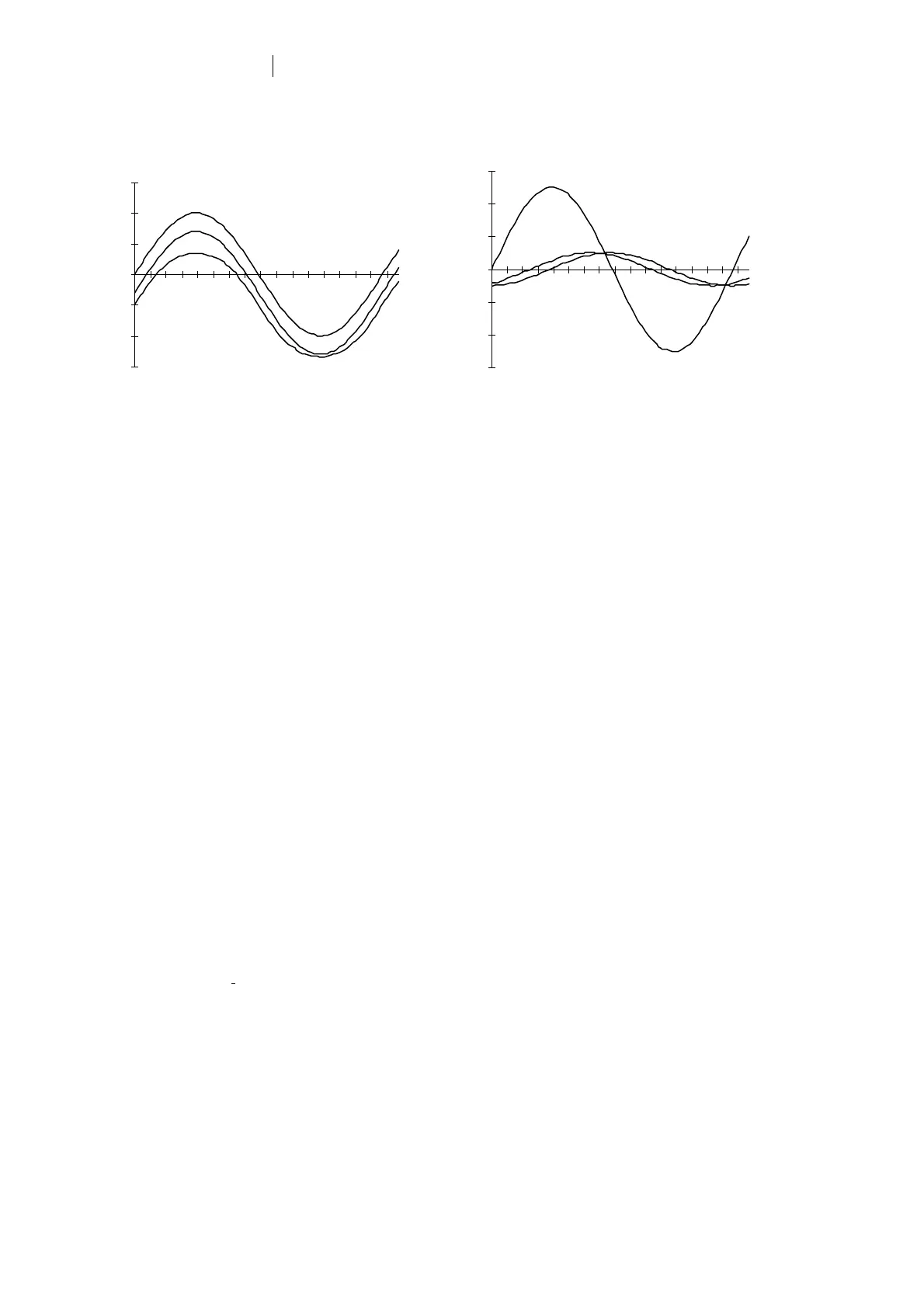
Coherent Non-coherent
A laser beam of a high intensity therefore represents the “death ray” of science fiction authors; a laser beam can
destroy material or matter. However, a controlled laser beam in low intensities not exceeding 500 mW shows minor
effect on living organisms and tissues, but can have significant stimulative effects.
The word LASER stands for Light Amplification by Stimulated Emission of Radiation.
The first theoretical postulates on a laser beam were laid down by Albert Einstein in the early twentieth century,
describing the theoretical possibilities of a stimulated emission of light in 1916-1917. However, the first laser
instrument was not constructed until 1960, following other important discoveries in the area of the so called quantum
radiotechnique (N.G. Basov and A.M. Prochorov of the former USSR and C.H. Townes of the USA received a Nobel
Prize for these discoveries in 1964).
The medical application of laser light followed soon after. At first, only high intensity laser beams were utilized. Lasers
of this type provide a source of energy that, with its thermal effect, can destroy, cut, evaporate and cauterize tissue.
E. Mester, a Hungarian scientist, was the first to introduce the stimulative effect of a low intensity laser. He conducted
his experiments - which are still of a great importance - in the late sixties.
4.3 Types of lasers
Lasers can be divided according to several criteria:
4.3.1 Source
• solid-substance lasers (ruby laser)
• liquid-based lasers
• gas lasers – helium/neon, argon lasers
• semi-conductor (GaAs, GaAIAs) -- the most important form of non-invasive lasers of our time.
The advantages of semi-conductor lasers include a significant miniaturization of the source, robustness and
imminstrumenty to damage and the possibility to construct a laser instrument of any wavelength. Nevertheless, some
lasers still remain at experimental level.
4.3.2 Wavelength
(primarily semi-conductor lasers)
• blue lasers (400-500nm)
• green lasers (500-550nm)
• red lasers (600-700nm)
• infra-red lasers (700-950nm)



 To Next Page