CandCNC
Page 7
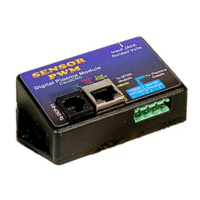
Before you make connections to the plasma unit you may want to do some testing
to confirm proper operation of the THC SENSOR PWM with the DTHC II/ IV Module.
Connect the THC SENSOR PWM (or Sensor PWM II MODULE ) to the RJ45
(CAT5) connector on the DTHCIV Module. Be careful! Do not connect the CAT5
from the DTHCIV module to ANY OTHER RJ45 jack. It has voltages that can
damage other modules (like the USB to RS485 4 port hub or the Ethernet jack on
the controller or your PC
Start CommandCNC using the Desktop Icon Plasma Profile and make sure you
can come out of RESET and that the CP (Charge Pump) LED on the front of the
MP3600/ BladeRunner is ON.
On full controller products you have to have the Motor DC on to come out of
RESET.
Click on the TORCH icon on the screen. You should see the LED above the
TORCH button on CommandCNC turn on and there will be a click in the THC Sensor
PWM card and the small LED on the front labeled TORCH ON will light. That indicates
the TORCH ON relay is working.
The next check is to confirm the ARC OK circuit is working. Follow the instructions
for the THC SENSOR PWM section and open the back and use the ARC OK Test
button. The ARC OK LED on the MACH3 Screen should light. If it does you can
proceed to the actual hookup of the THC SENSOR PWM Module to your plasma unit.
If any of the tests fail make sure you have the cables firmly attached and that
they are the correct type.
All cards are tested at least twice and most three times before they leave the factory. It’s
unusual for a THC SENSOR PWM to be bad or fail in no load testing. If you have
checked all of the connections, cables and MACH setup and you still cannot get the THC
SENSOR to work contact us at 903-364-2740 or via e-mail at Tom@CandCNC.com
NOTE: Some Larger (>100A) plasma units or older smaller models use various methods
to start the initial ARC. Most common is HF (High Frequency) start. HF Start presents
several challenges. It uses the concept that higher frequency waves travel through air
(and arc) easier than DC voltage. The HF is normally combined with a higher voltage and
it starts an ARC that the plasma uses to ignite the air. Once the arc fires, if a conductive
part is close, the arc will transfer to the material. The HF start causes a lot of noise and
current spikes. The other form of High Voltage start is the CD (Capacitor Discharge)
method. It is basically a high current version of an Automotive ignition system. Up to
30,000 volts can be generated. If the THC Sensor is not protected, the high voltage and
high frequency can cause component failure on the card or (worse) in the THC unit and
even burn the board. The THC Sensor PWM (REV18 and up) is protected from HF and
most High Voltage start circuits.
THC SENSOR PWM MODULE VOLTS
TEST/CAL
E


 To Next Page
 Loading...