
EasyManua.ls Logo

Capstone MicroTurbine C65 - User Manual

Capstone MicroTurbine C65
66 pages
Print Icon
To Next Page IconTo Next Page
Loading...
400027 Rev A (July 2010) Page
1 of 66
Capstone reserves the right to change or modify, without notice, the design, specifications, and/or contents of this document
without incurring any obligation either with respect to equipment previously sold or in the process of construction.
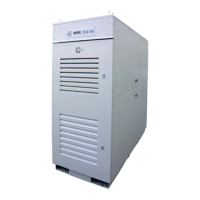
Capstone MicroTurbine
Model C65 Hybrid UPS
User's Manual
Capstone Turbine Corporation
21211 Nordhoff Street, Chatsworth, California 91311 USA
Copyright © 2010 Capstone Turbine Corporation. All rights reserved.
CAPSTONE and the turbine blade logo
are Registered Trademarks
of Capstone Turbine Corporation.
MicroTurbine is a Trademark of Capstone Turbine Corporation.

Table of Contents

Questions and Answers

  • J
    John CoxAug 16, 2025
    What to do if my Capstone UPS has low power output?
    • B
      Brittany PerezAug 16, 2025
      If your Capstone UPS exhibits low power output, start by inspecting the fuel supply. Make sure the fuel isolation valve is open and that the inlet fuel line maintains correct pressure. Check the external fuel filter to ensure it is not blocked. Also, check the inlet and exhaust airflow to ensure they are unobstructed. Finally, check ambient operating conditions and verify the expected power output due to temperature, altitude and other derating factors.
  • J
    Jesse BryantAug 19, 2025
    What to do if my Capstone UPS shuts down unexpectedly or gives a warning?
    • S
      Scott FranklinAug 19, 2025
      If your Capstone UPS unexpectedly shuts down or displays a warning, first, try restarting it. If it fails, check the fuel, air, and electrical supply. If restarting is still unsuccessful, enter the user password and reboot the system via the Display Panel. If the issue continues, cycle the power by turning off the system for 30 seconds and then turning it back on. If all else fails, note the event number on the Display Window and contact your Capstone Authorized Service Provider.
  • J
    johnsonryanAug 22, 2025
    What to do if Capstone UPS display panel has no lights?
    • R
      rnelsonAug 22, 2025
      If the display panel on your Capstone UPS shows no lights, ensure that external battery power is available. Then, press the BATT START button on the Display Panel.
  • H
    hannahhernandezAug 26, 2025
    What to do if Capstone UPS shows Grid Warning or Fault?
    • R
      Robert MayAug 26, 2025
      If your Capstone UPS shows a Grid Warning or Fault, which is likely due to an electric utility grid disturbance, first check all breakers and fuses to ensure they haven't tripped. If the system doesn't reconnect to the utility power source after power is restored, contact your Capstone Authorized Service Provider.
  • C
    Christopher MillerAug 28, 2025
    What to do if Capstone UPS shows Fuel Warning or Fault?
    • M
      Makayla KimAug 28, 2025
      If your Capstone UPS indicates a Fuel Warning or Fault, check the fuel supply to the MicroTurbine. Make sure the shut-off valve is open and the line has the correct fuel pressure. Inspect the optional external filter to ensure it's not blocked. If the problem continues, contact your Capstone Authorized Service Provider.
  • K
    Karen AndersenAug 31, 2025
    How to fix Lo-Temp/Hi-Temp/Hi-Alt error on Capstone UPS?
    • R
      rebekahmcdonaldAug 31, 2025
      If your Capstone UPS displays a Lo-Temp/Hi-Temp/Hi-Alt error, it indicates that the ambient conditions are outside the design envelope of the MicroTurbine. To resolve this, adjust the room temperature, ensure adequate ventilation, and verify that the air input and exhaust are not obstructed.
  • T
    Tracy KaneSep 3, 2025
    What to do if Capstone UPS shows MANUAL E-STOP?
    • A
      Albert PerezSep 3, 2025
      If the event display on your Capstone UPS reads MANUAL E-STOP, first address the original problem that triggered the E-Stop. Check the optional emergency stop button to verify if it has been activated. If so, reset the button, cycle power off to the MicroTurbine for 30 seconds, and then turn the power back on. The Manual E-Stop fault should then clear, and the system should resume operation. If it does not, call your Capstone Authorized Service Provider.
  • R
    Regina FarrellSep 6, 2025
    What to do if Capstone UPS does not attempt to start after the ON command?
    • M
      michaelacostaSep 6, 2025
      If your Capstone UPS does not attempt to start after receiving the ON command, verify that the current communication device is the control device. Also, verify that the ON command is consistent with the currently active dispatch mode.
  • N
    Natasha PetersSep 9, 2025
    What to do if I have a Capstone UPS internal fault?
    • A
      Alison McbrideSep 9, 2025
      To address an internal fault in your Capstone UPS, reboot the system. If this does not restore normal operation, a Capstone Authorized Service Provider will be required to initiate repair of the MicroTurbine.
  • J
    johnrobertsSep 12, 2025
    What does User Connection Fault mean for Capstone UPS?
    • R
      rcarterSep 12, 2025
      A User Connection Fault in your Capstone UPS can be due to incorrect Grid Connect / Stand Alone settings, mode transition faults when in Dual Mode operation, or a possible problem with external equipment connected to the MicroTurbine.

Summary

Document Overview

Safety Precautions

Presents safety information for users of Capstone Turbine Corporation MicroTurbines.

Document Introduction

Describes the Capstone MicroTurbine as an advanced power generation system.

Safety Symbols

Explains the meaning of Warning, Caution, and Note symbols used in the document.

General Safety Precautions

Electrical Safety Precautions

Details precautions for working with high voltage electrical equipment in the MicroTurbine system.

Fuel Handling Precautions

Exhaust Safety Precautions

Acoustic Emissions Safety

Certifications and Codes

Micro Turbine System Introduction

Key Mechanical Components Overview

Core System Features

Micro Turbine Engine Description

Power Electronics System

Air Bearing Technology

Fuel System Details

Emissions Information

Hybrid UPS System Operation

Hybrid UPS Operating Modes

Describes the different operating modes of the Hybrid UPS system: UPS, High Efficiency, and Emergency.

UPS Controller Functionality

Explains the role of the UPS Controller as the master for Hybrid UPS systems.

MultiPac System Operation

Details how multiple Hybrid UPS units can be combined using the UPS Controller.

Performance Metrics

Output Measurement Standards

Defines ISO conditions and units used for output measurements.

MicroTurbine Performance Factors

Discusses factors affecting MicroTurbine electrical output capability.

Utility Input Connection Details

Specifies the electrical connection requirements for the utility input.

Load Output Connection Details

Power Quality Standards

Heat Output Information

Hybrid UPS Operating Modes

Major System Components Overview

Grid Load Control Module (GLCM)

Describes the GLCM's function in connecting to and managing the utility grid.

Load Control Module (LLCM)

Explains the LLCM's role in delivering power to the critical load.

Battery Control Module (BCM) Details

Battery String Information

System Components and Operation

Engine Control Module (ECM) Details

Details the ECM's function in connecting generator output to the DC bus.

Turbine Generator Function

Explains how the turbine generator produces electrical output.

UPS Mode Operation

Describes the UPS Mode where the system operates like a traditional UPS.

High Efficiency Mode Operation

Details High Efficiency Mode where the microturbine supplements utility power.

System Operating States

Emergency Mode Description

Explains the Emergency Mode when utility power is unavailable.

Standby Mode Description

Describes the Standby Mode where the system is shut down.

System State Transitions Overview

Covers transition states, impacting elements, and battery SOC for state changes.

Utility Voltage Monitoring

Utility Reconnect Delay Settings

UPS vs High Efficiency Mode Comparison

Turbine Start Delay Timer

MultiPac Minimum Power Setting

System Start Sequences Explained

Emergency Mode Transitions

Operating the Hybrid UPS System

User Interfaces Overview

Describes the three user interfaces: UPS Controller, Display Panel, and PC with CRMS.

Control Device Authority and Priority

Explains the priority order of control devices for the Hybrid UPS system.

Initial Setup and Commissioning Process

System Start-up Procedure

Routine System Operation

Changing Operating Modes

Taking Unit Out of Service

Operating Individual Hybrid UPS System

Returning Unit to Service

Utility Power Transfer Operations

Transfer from Hybrid UPS to Utility

Details the process of transferring load from Hybrid UPS to utility power.

Transfer from Utility to Hybrid UPS

System Shut-down Procedures

Normal System Shutdown

Describes the process for a normal shutdown of the system.

Fast Stop Procedure

Explains the fast stop function for immediate load power disconnection.

Emergency Stop Function

Operation Under Fault Conditions

Orderly Shutdown Alarm Handling

Imminent Shutdown Alarm Handling

Fault Data Registers Explained

Using the UPS Controller

Using the Display Panel

Display Panel Areas Overview

Describes the different areas and buttons of the Display Panel.

Menu Navigation Guide

Display Panel Data Entry

Logging On with Password

Instructions for logging into the system using a password.

Changing User Password

Steps for changing the user password for system access.

Display Panel Menus Overview

System Data Menu Details

Details the System Data menu and its submenus for viewing system information.

System Output Submenu Data

Turbine Output Submenu Data

Clear Incident Submenu Function

Clear Fuel Fault Submenu Function

System Configuration Submenu

Power Connect Submenu Options

Allows viewing the desired operating mode: Standby, UPS Mode, or High Efficiency.

Microturbine Start Delay Timer Setting

MultiPac Submenu Status

Turbine Number Submenu Setting

Auto Restart Submenu Setting

System Demand Submenu

Control Access Submenu Display

Enter Password Submenu

Logoff Submenu Function

Reboot Submenu Option

Utility Input Connection Menu

Under Voltage Submenu Details

Shows line-to-line voltage and delay time for under voltage conditions.

Over Voltage Submenu Details

Fast Under Voltage Submenu Details

Fast Over Voltage Submenu Details

Under Frequency Submenu Details

Over Frequency Submenu Details

Reconnect Delay Submenu Setting

Load Output Connection Menu

Voltage Submenu Settings

Allows viewing and setting the nominal RMS output voltage to the critical load.

Load Output Under Voltage Submenu

Load Output Over Voltage Submenu

Load Output Frequency Submenu

Load Output Under Frequency Submenu

Load Output Over Frequency Submenu

MultiPac Minimum Power Setting

Local Battery Charge Submenu Control

Unit Data Menu Display

Using a PC with CRMS Software

Direct Connection to Hybrid UPS System

MicroTurbine Preventive Maintenance

Scheduled Maintenance Schedule

Preventive Maintenance Items Overview

Micro Turbine Inlet Air Filter Maintenance

Details inspection and replacement of the inlet air filter.

External Fuel Filter Maintenance

Details inspection and replacement of the external fuel filter.

Battery Maintenance Requirements

Advises consulting external manuals for battery storage system maintenance.

Warranty Information

Provides information on standard and extended warranties.

Troubleshooting Guide

System Incidents Overview

Explains how the system monitors parameters and defines incidents.

Incident Severity Levels

Describes how incidents are classified by severity (warning or fault).

Incident Display Format Details

Shows how incident information is displayed on the panel.

Fault Data Registers Explained

Incident Records Access

Isolation Messages Explained

Internal Isolation Messages

Describes internal incidents that are not user-recoverable.

Basic Troubleshooting Procedures

Display Panel No Lights Troubleshooting

Troubleshooting steps when the display panel has no lights.

No Start Attempt Troubleshooting

Troubleshooting steps when the system does not attempt to start.

Start Attempt Failure Troubleshooting

Troubleshooting steps when a start attempt fails.

Low Power Output Troubleshooting

Unexpected Shut Down or Warning Troubleshooting

Product Support Information

Reference Documents List

Capstone Contact Information

Capstone Applications Contact

Contact details for Capstone Applications.

Capstone Technical Support Contact

Contact details for Capstone Technical Support.

Capstone MicroTurbine C65 Specifications

General IconGeneral
Power Output65 kW
Fuel TypeNatural Gas, Propane
Voltage480 VAC
ApplicationCombined Heat and Power (CHP), Standby Power, Distributed Generation
EmissionsNOx < 9 ppm, CO < 50 ppm