CESSNA AIRCRAFT COMPANY FOR TRAINING USE ONLY
MODEL 152 9-50
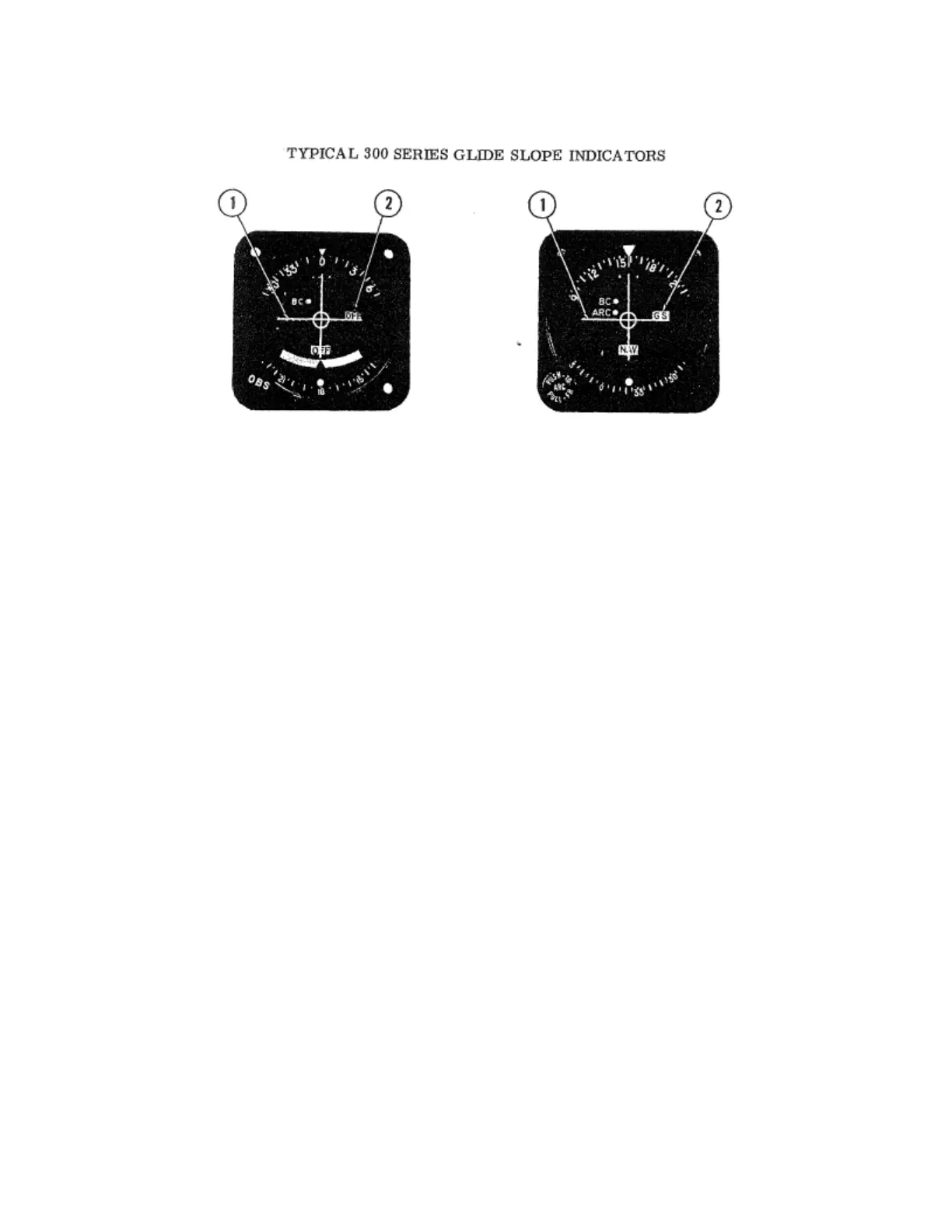
Figure 1. Typical 300 Series VOR/LOC/ILS Indicator
1. GLIDE SLOPE DEVIATION POINTER – Indicates deviation from normal glide slope.
2. GLIDE SLOPE “OFF” or “GS” FLAG – When visible, indicates unreliable glide slope signal or
improperly operating equipment. The flag disappears when a reliable glide slope signal is being
received.
CAUTION
Spurious glide slope signals may exist in the area of the localizer back
course approach which can cause the glide slope “OFF” or “GS” flag to
disappear and present unreliable glide slope information. Disregard all
glide slope signal indications when making a localizer back course
approach unless a glide slope (ILS BC) is specified on the approach and
landing chart.
SECTION 2 – LIMITATIONS
There is no change to the airplane limitations when this avionic equipment is installed. However, the
pilot should be aware that on many Cessna airplanes equipped with the windshield mounted glide slope
antenna, pilots should avoid use of 2700 ±100 RPM on airplanes equipped with two-bladed propeller or
1800 ±100 RPM on airplanes equipped with a three-bladed propeller during ILS approaches to avoid
oscillations of the glide slope deviation pointer caused by propeller interference.
SECTION 3 – EMERGENCY PROCEDURES
There is no change to the airplane emergency procedures when this avionic equipment is installed.



 To Next Page