CESSNA AIRCRAFT COMPANY FOR TRAINING USE ONLY
MODEL 152 4-15
ENROUTE CLIMB
Normal climbs are performed with flaps up and full throttle and at speeds 5 to 10 knots higher than best
rate-of-climb speeds for the best combination of performance, visibility and engine cooling. The mixture
should be full rich below 3000 feet and may be leaned above 3000 feet for smoother operation or to
obtain maximum RPM. For maximum rate of climb, use the best rate-of-climb speeds shown in the Rate
Of Climb chart in Section 5. If an obstruction dictates the use of a steep climb angle, the best angle-of-
climb speed should be used with flaps up and maximum power. Climbs at speeds lower than the best
angle-of-climb speed should be of short duration to improve engine cooling.
CRUISE
Normal cruising is performed between 55% and 75% power. The engine RPM and corresponding fuel
consumption for various altitudes can be determined by using your Cessna Power Computer or the data
in Section 5.
NOTE
Cruising should be done at 65% to 75% power until a total of 50 hours has
accumulated or oil consumption has stabilized. This is to ensure proper
seating of the rings and is applicable to new engines, and engines in
service following cylinder replacement or top overhaul of one or more
cylinders.
The data in Section 5 shows the increased range and improved fuel economy that is obtainable when
operating at lower power settings. The use of lower power settings and the selection of cruise altitude
on the basis of the most favorable wind conditions are significant factors that should be considered on
every trip to reduce fuel consumption.
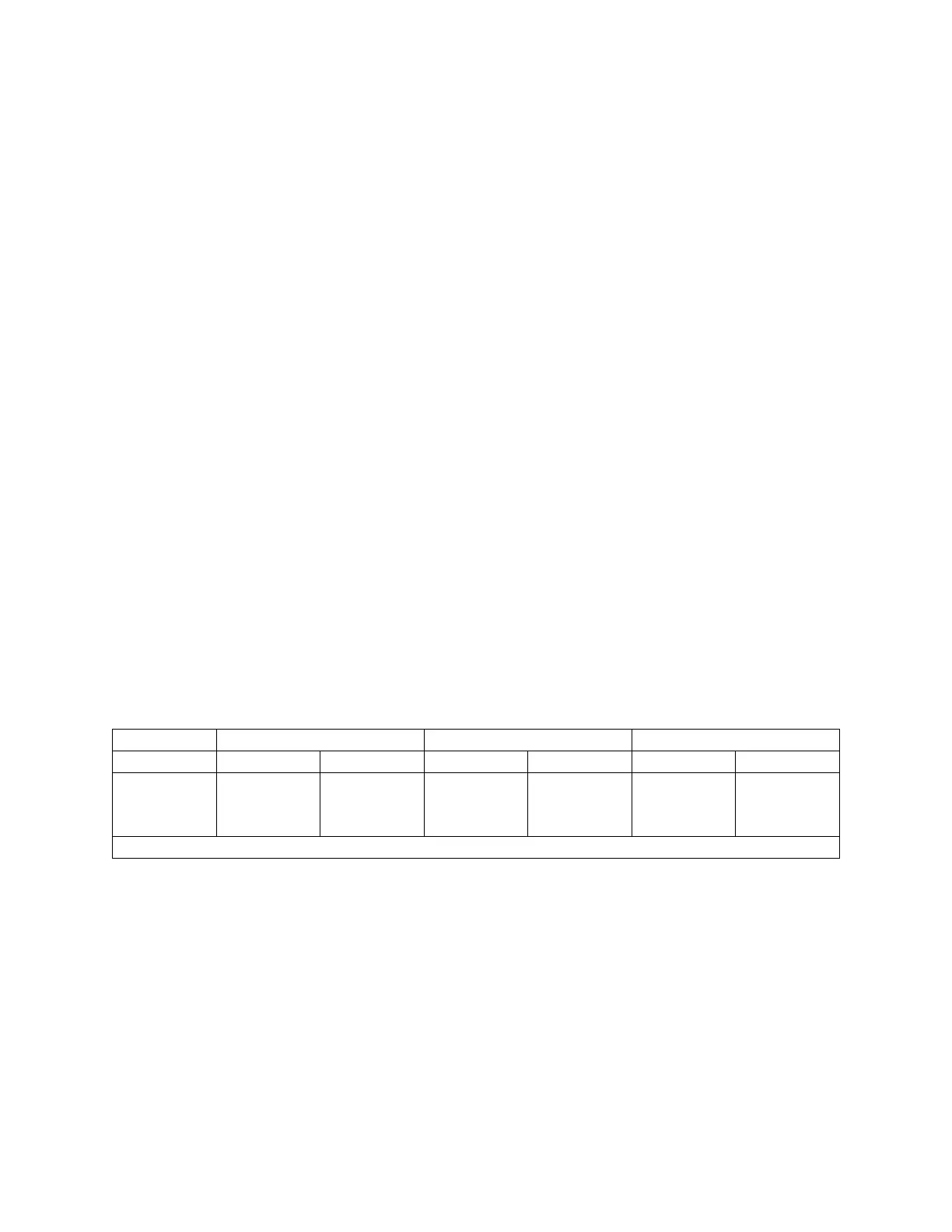
4000 Feet
103
17.0
97
18.4
89
19.8
Standard Conditions Zero Wind
Figure 4-3. Cruise Performance Table
The Cruise Performance Table, figure 4-3, shows the true airspeed and nautical mile per gallon during
cruise for various altitudes and percent powers. This table should be used as a guide, along with the
available winds aloft information, to determine the most favorable altitude and power setting for a
given trip.
To achieve the recommended lean mixture fuel consumption figures shown in Section 5, the mixture
should be leaned until engine RPM peaks and drops 25-50 RPM. At lower powers it may be necessary to
enrichen the mixture slightly to obtain smooth operation.



 To Next Page