CESSNA AIRCRAFT COMPANY FOR TRAINING USE ONLY
MODEL 152 3-9
AMPLIFIED PROCEDURES
ENGINE FAILURE
If an engine failure occurs during the takeoff run, the most important thing to do is stop the airplane on
the remaining runway. Those extra items on the checklist will provide added safety after a failure of this
type.
Prompt lowering of the nose to maintain airspeed and establish a glide attitude is the first response to
an engine failure after takeoff. In most cases, the landing should be planned straight ahead with only
small changes in direction to avoid obstructions. Altitude and airspeed are seldom sufficient to execute
a 180° gliding turn necessary to return to the runway. The checklist procedures assume that adequate
time exists to secure the fuel and ignition systems prior to touchdown.
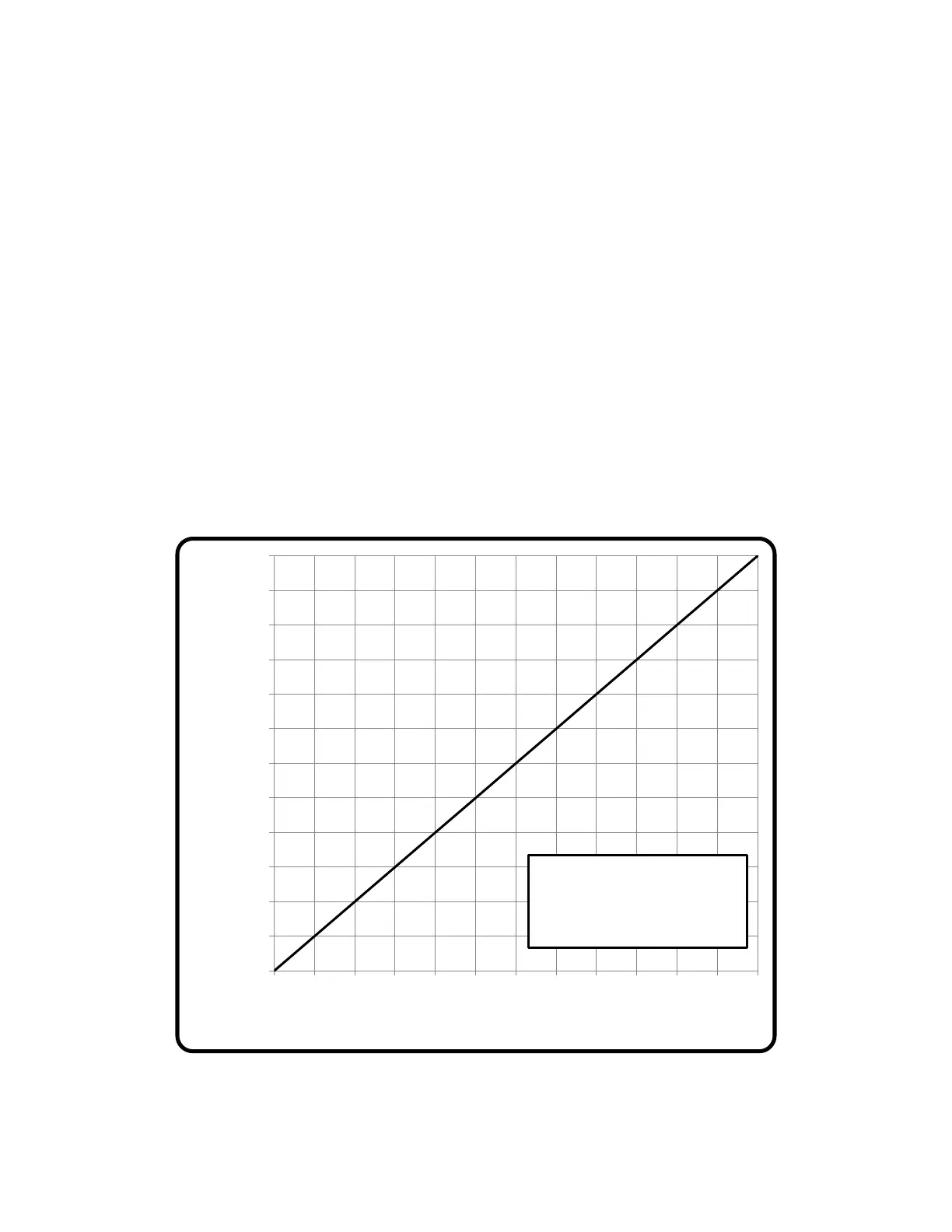
After engine failure in flight, the best glide speed as shown in figure 3-1 should be established as quickly
as possible. While gliding toward a suitable landing area, an effort should be made to identify the cause
of the failure. If time permits, an engine restart should be attempted as shown in the checklist. If the
engine cannot be restarted, a forced landing without power must be completed.
Figure 3-1. Maximum Glide
0
1000
2000
3000
4000
5000
6000
7000
8000
9000
10000
11000
12000
0.0
1.6
3.2
4.8
6.4
8.0
9.6
11.2
12.8
14.4
16.0
17.6
19.2
HEIGHT ABOVE TERRAIN (FEET)
GLIDE DISTANCE - NAUTICAL MILES
SPEED 60 KIAS
PROPELLER WINDMILLING
FLAPS UP



 To Next Page