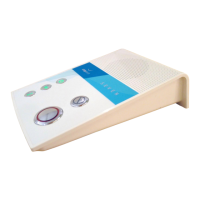
6.2 Sending an Alert from GO when Learned into a Base Unit
When activated, GO sends an RF signal to check if it is within range of the base unit.
The RF transceiver gets a confirmation from the base unit when within range, and then sends the
emergency alert to monitoring. The base unit will not pre-alarm. Once the first emergency alert from
GO has been received by monitoring, GO sends a second report that says it is ‘home’ instead of
sending GPS coordinates. Following this, GO continues to send GPS coordinates in case the user’s
situation changes. Monitoring will call the user over the GO speakerphone system, so they can speak
to them no matter where they are on the property.
6.3 Reporting Redundancy for GO learned into a Base Unit
GO will always try to send an alert using its own 3G system first. In the unlikely event that GO cannot
communicate with monitoring, typically because of a lack of a cellular coverage, then GO will hand
over control to the base unit. The base unit will send a confirm back to GO. Once received, the GO
will then play a voice message, “Base unit activated you will soon be contacted by an operator”, to
inform the user the alert has been handed over to the base unit. This message will play twice. The
base unit will pre-alarm and follow the standard reporting process. Monitoring will communicate
back through the base unit, or alternatively, the operator can attempt to call back directly into GO.
The lights around GO will flash red periodically to show that it is operating and can be called back
into until the device times out.
There are a number of situations that can affect the ability for GO to send an alert, and these have
been taken into consideration when developing the reporting system to ensure that end user safety
is prioritised.
• If GO is not in range of the base unit, then GO will try the second destination in its reporting
list. Failing that, it will send another RF signal, repeating these attempts through all four (4)
destinations. GO will continue to cycle through the reporting list, as outlined in the company
specific configuration file.
• As a precaution, the receiver on GO will be enabled for a set period of time. This gives the
operator the option of establishing contact either with the base unit or GO (if able to be
contacted). Once the timeout is reached the receiver will turn off, and GO will resume its
normal mode.


 To Next Page