DESIGN | MANUFACTURE | SUPPORT
7.3 Assisted GPS
GO uses a feature known as Assisted GPS (A-GPS). This allows GO to retrieve satellite positional data
over a 3G data connection rather than directly from the satellites. This method is used to speed up
the processes of retrieving a location; for example, instead of waiting 15 minutes for a GPS fix, it can
take as little as 20 seconds.
The positional data of the satellites is stored in a server and this is known as a Secure User Plane
Location (SUPL). All android phones use this data and it is commonly used among 3G GPS
devices. The data downloaded from the server is known as the almanac and ephemeris data. This
data retrieval also has built in security. GO uses an encrypted TCP port to connect to the SUPL
servers. As part of this security an SSL Certificate is issued to Chiptech to allow us to make the
encrypted connection.
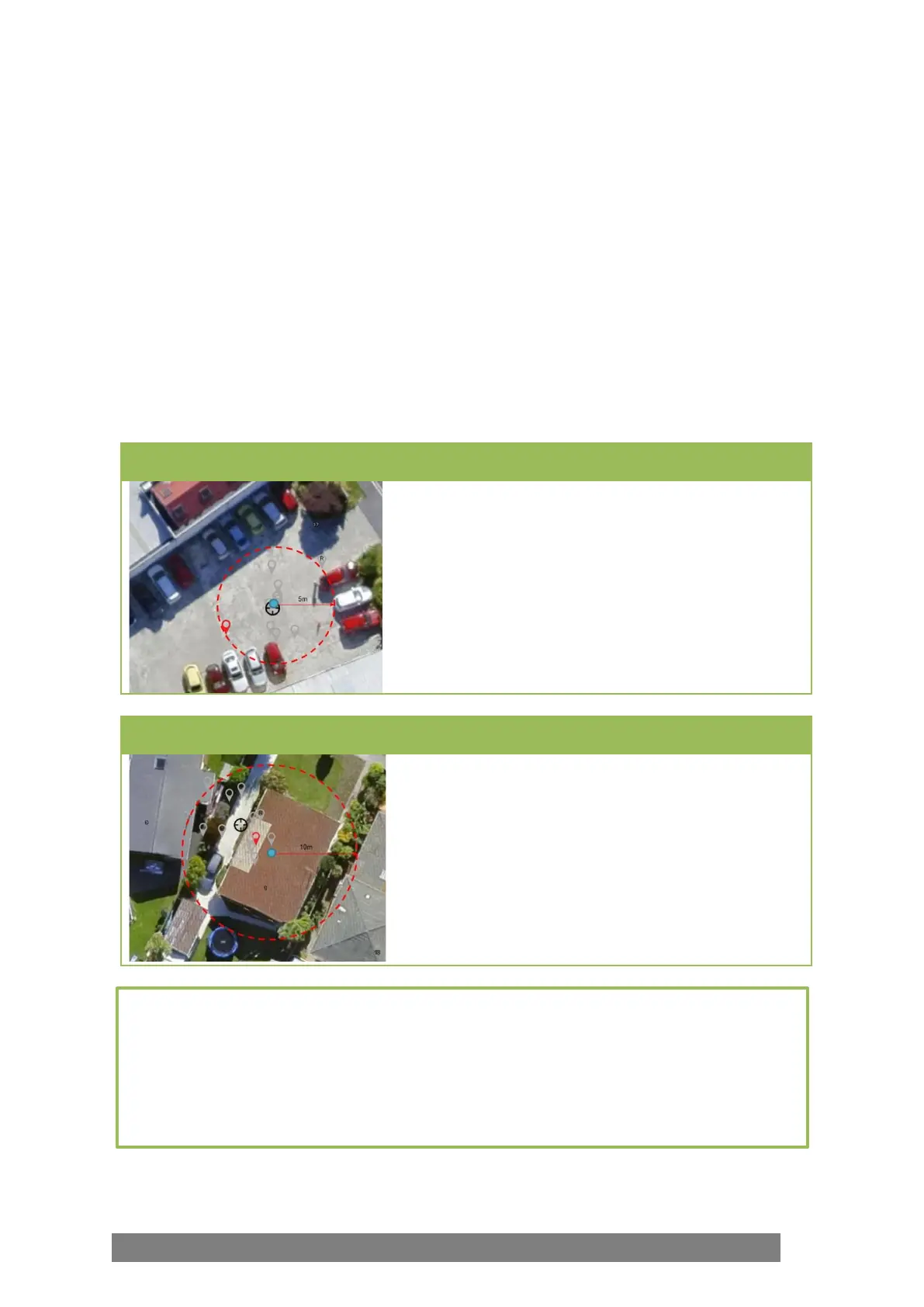
Chiptech’s New Zealand carpark, clear blue sky. GO was placed
on a chair, 10 Smart GPS samples taken.
Results:
o Worst case individual Smart GPS error = 5m
o ‘Find best location’ error < 1m
o Interval time between GPS samples = 5mins
o Maximum number of consecutive GPS fixes taken during
one Smart GPS result = 52 samples in 5 minutes
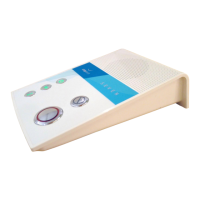
Brick house in flat urban environment, with a decramastic
(metal tiles) style roof. GO was placed on coffee table in
lounge.
11 Smart GPS samples taken
Results:
o Worst case individual Smart GPS error = 10m
o ‘Find best location’ error = 4m
o Interval time between GPS samples = 5mins
o Maximum number of consecutive GPS fixes taken during
one Smart GPS result = 35 samples in 5 minutes
Important Note:
These results are typical but not guaranteed. There are a number of factors which can
influence the overall accuracy of the GPS system in GO. These include; body contact, satellite
signal strength, objects that impede signals such as buildings and trees, and signal reflections
off surrounding objects.


 To Next Page