7
Adding Salt
IMPORTANT: Before adding salt at any time, ALWAYS perform an independent water test to measure pre-existing salt levels.
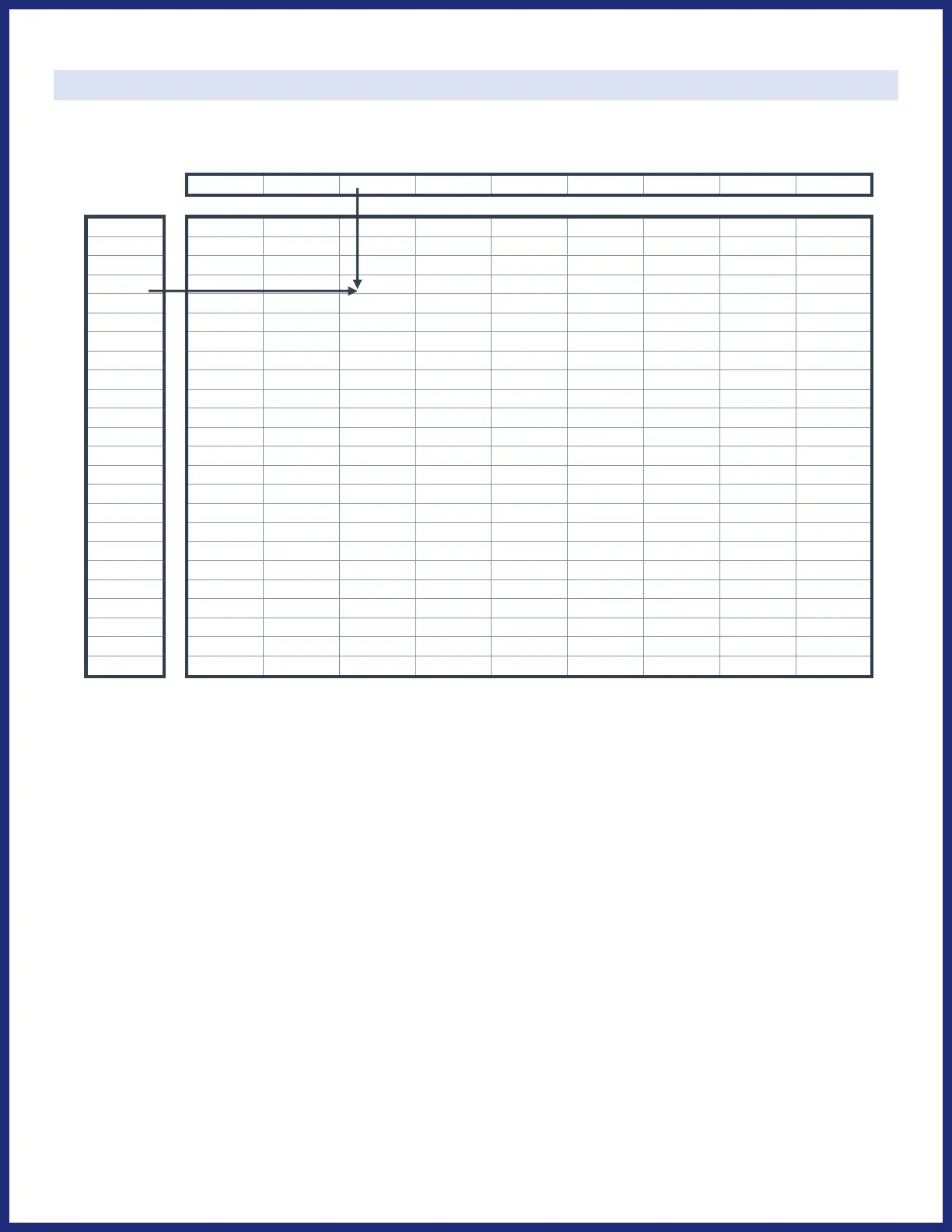
After measuring for any existing salt content in the pool, add salt according to the chart above. The chart allows you to
cross-reference your existing salt level and your pool size to estimate the number of pounds of salt required to achieve
3500 ppm. Without the right amount of salt, the result will be reduced efficiency and a low level of chlorine production.
In addition, operation at low salt levels will reduce the longevity of the Cell.
When adding the salt to the pool, it is best to empty the required salt into the shallow end of the pool and run the filter
and pump simultaneously in order to circulate the water and dissolve the salt (the SJ-Series is to remain off during this
time period). Do not throw the salt bag into the water as chemicals and inks on the bag can interfere with water
balance. Salt may take 24 - 48 hours to dissolve in summer, and longer in winter. Finer granules of salt will dissolve
faster than compressed pellets.
The salt in your pool is constantly recycled and does not normally need to be replenished frequently. The loss of salt
throughout the swimming season should be small, and is due primarily to the addition of extra water to replace water
lost from splashing, backwashing, and draining. Salt is not lost due to evaporation.
Use only evaporated, granulated, non-iodized salt (Sodium Chloride). The more pure the salt (at least 99%), the better
the life and performance of the Electrolytic Cell. Water Softener salt (also known as Water Conditioning pellets) is an
economical way to buy large quantities of salt. However, only salt that is at least 99% pure NaCl can be used. Pellets are
compressed forms of evaporated salt that may take longer to dissolve. Avoid using salt with anti-caking agents (Sodium
Ferrocyanide, also known as YPS or Yellow Prussiate of Soda) that could cause discoloration of fittings and surface
finishes in pool. Do not use Calcium Chloride as a source of salt. Do not use Rock Salt; insoluble impurities mixed with
the rock salt can shorten the life of the unit.
TIP: When adding large quantities of salt, independently test existing salt level and add in portions, retesting at each stage.



 To Next Page