7.1 8 95-8242
DETECTOR SENSITIVITY
The UV flame detector responds to radiation over
wavelengths of 185 to 245 nanometers (1850 to 2450
angstroms). Figure 6 illustratesthe range of sensitivity,
and compares this range to other forms of radiation. Note
that UV radiation reaching the earth from the sun does
not extend into the region of sensitivity of the detector.
In addition, radiation from normal artificial lighting, such
as fluorescent, mercury vapor, and incandescent lamps
does not extend into the detector’s spectral range. As a
result, the detector is solar blind and insensitive to these
forms of radiation and may be used outdoors or indoors.
NOTE
Some mercury vapor lamps can operate for
extended periods with cracked or otherwise
damaged envelopes, and will then emit UV
radiation in the frequency response range of the
detector. Defective mercury vapor lamps should
be immediately removed from service.
The UV sensor responds to any radiation that can
penetrate its glass envelope and create ion pairs. The
glass envelope absorbs most alpha or beta particles,
but it permits both gamma and x-rays to pass through. If
these rays create ion pairs between the electrodes near
the cathode, the normal discharge process will occur and
the detector will produce a count. If the x- or gamma ray
flux is sufficient to produce a count rate higher than the
system sensitivity setting, an undesired response of the
system can occur.
Data on sensitivity of the C7050 Detector to various x-ray
and gamma radiation intensities is impossible to relate
to a typical detector exposure. The normal precaution
against false actuation due to x-rays or gamma radiation
is to turn off the detection system when sources of high
level radiation are being used in the immediate area.
Caution must be exercised if the detection system is
turned off, since the hazardous area will not be protected.
If the application requires continuous supervision by the
detection system, a “Nuclear Surveillance” system is
needed. Refer to form number 95-8256 or contact Det-
Tronics for complete information.
NOTE
Ultraviolet detectors are very sensitive to arc welding,
and if this type of radiation can be expected, it
must be controlled through proper application.
Successful application techniques include careful
positioning and shielding of the detectors. Some
applications can require a “Remote Surveillance”
or UV/IR system. Contact the Field Support Group
at Detector Electronics for complete information.
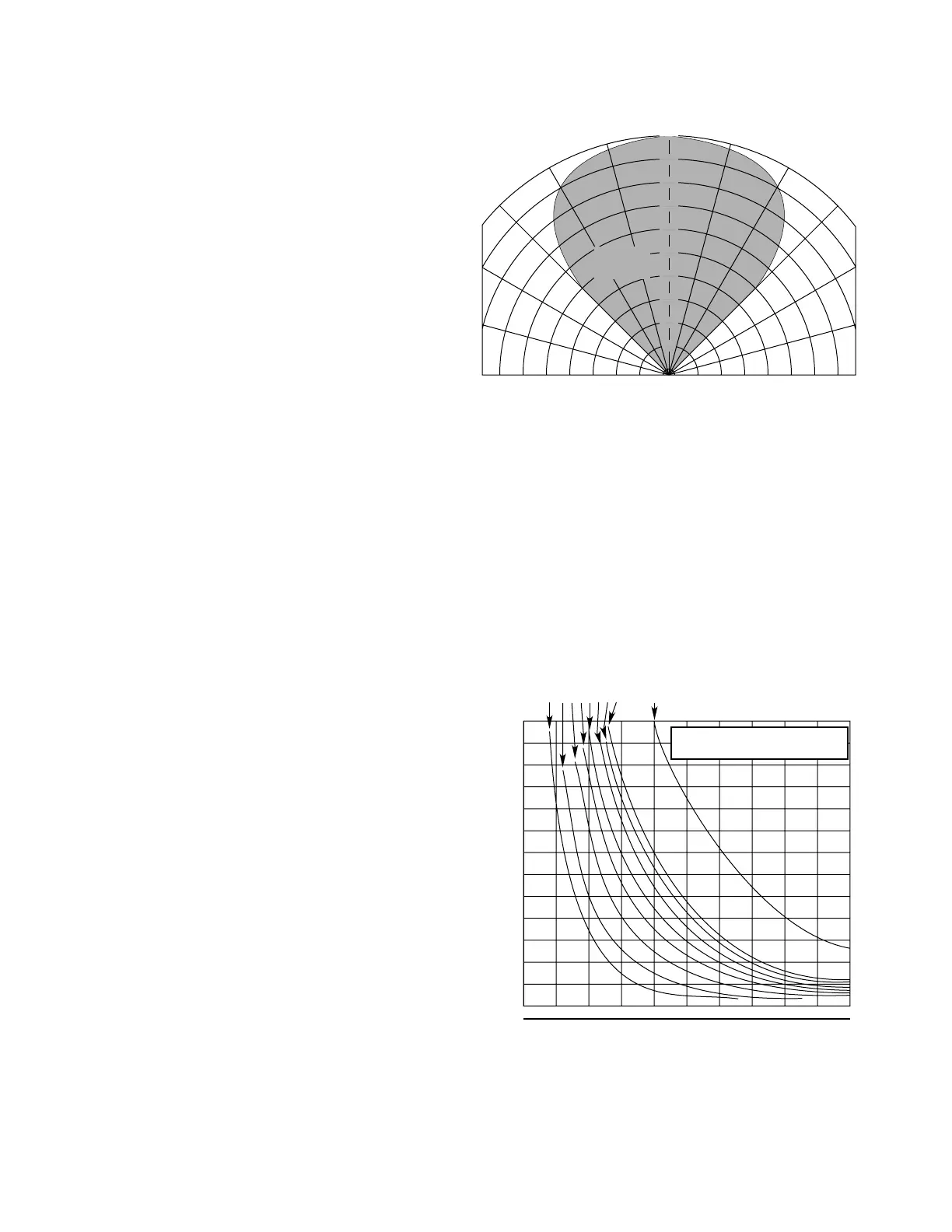
Figure 7 shows a composite view of the cone of vision
and the response of a typical detector to a constant UV
source at various relative distances. Depending upon the
intensity of the ultraviolet radiation source, the C7050 can
be considered to have a practical application distance of
up to about 50 feet (15 meters). Under certain controlled
conditions, detectors can be used at greater distances.
0°
15°
30°
45°
15°
30°
45°
VIEWING ANGLE
A1288
100
90
80
70
60
50
40
30
20
10
DETECTION
DISTANCE
(PERCENT)
100% REPRESENTS THE MAXIMUM DETECTION DISTANCE FOR A
GIVEN FIRE. THE SENSITIVITY INCREASES AS THE ANGLE OF
INCIDENCE DECREASES.
Figure 7—Detector Cone of Vision
260
240
220
200
180
160
140
120
100
80
60
40
20
0
0 10 20 30 40 50 60 70 80 90 100
0 5 10 15 20 25 30
1 (0.09)
2 (0.18)
6 (0.56)
8 (0.74)
10 (0.93)
12 (1.11)
14 (1.3)
36 (3.3)
4 (0.37)
DETECTOR OUTPUT VERSUS DISTANCE
FROM A GASOLINE FIRE AS A FUNCTION
OF SURFACE AREA OF THE SOURCE
DETECTOR OUTPUT – COUNTS PER SECOND
DISTANCE
FEET
METERS
A1487
SQUARE FEET (SQUARE METERS)
Figure 8—Sensitivity of a Typical Detector to a Gasoline Reference Fire




 To Next Page