Venting Part 4 If all contaminants listed in Table 2.1 in the installation manual are STRICTLY AVOIDED, combustion
room can be used as a source of air intake. This table is shown again below.
Note: In new home installs it is mandatory to bring air in from outside the home while the home is being built. This is
in done to prevent dust and any other contaminants from entering the boiler housing and affecting operation.
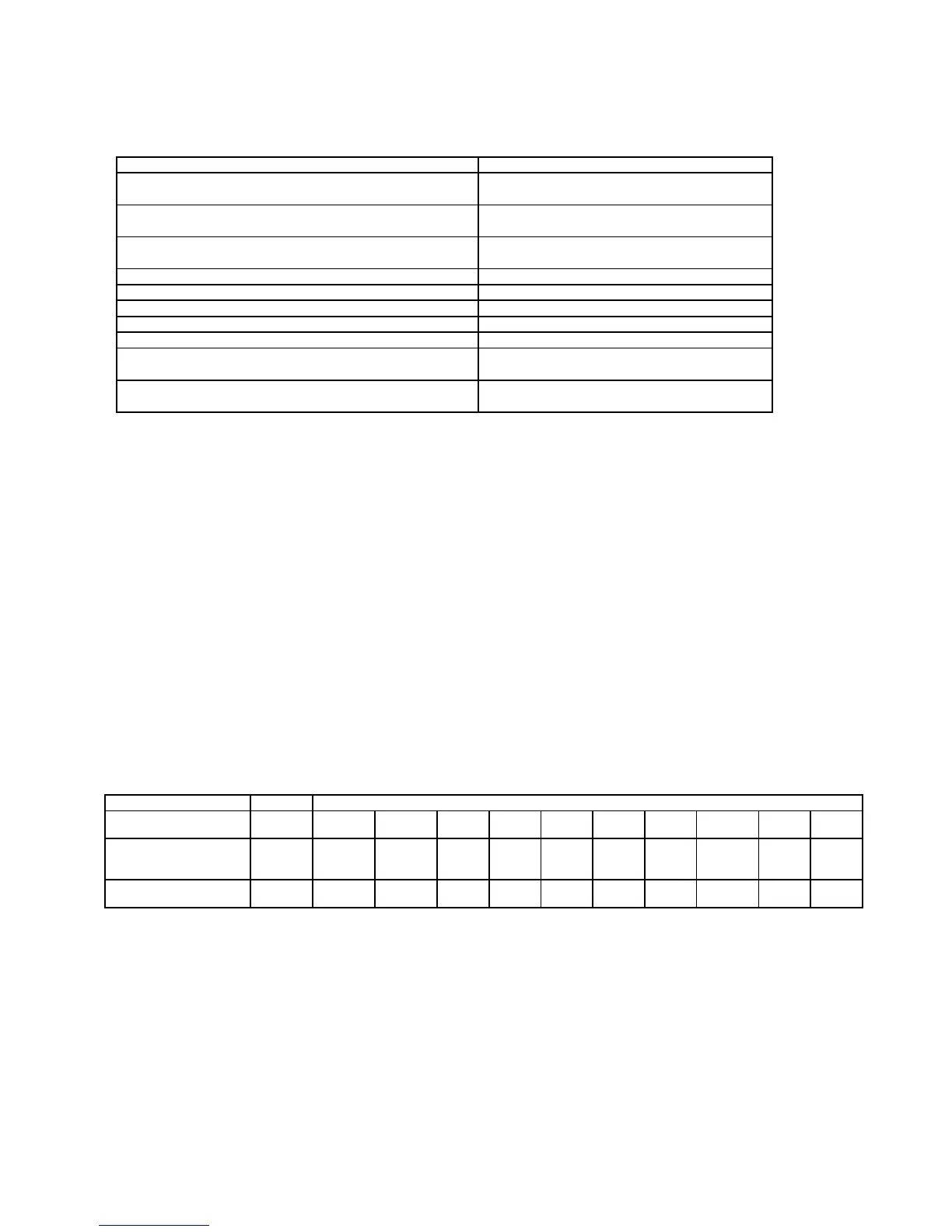
Table 2-1 - Corrosive Products and Contaminant Sources
Contaminated Sources to Avoid
Antistatic fabric softeners, bleaches, detergents,
Perchloroethylene (PCE), hydrocarbon based cleaners
Chemical fertilizer, herbicides/pesticides, dust,
Farms or areas with livestock and manure
Paint or varnish removers, cements or glues, sawdust
Wood working or furniture refinishing shops
Water chlorination chemicals (chloride, fluoride)
Solvents, cutting oils, fibreglass, cleaning solvents
Auto body or metal working shops
Refrigerant charge with CFC or HCFC
Fixer, hydrochloric acid (muriatic acid), bromide,
Photo labs, chemical / plastics processing plants
Cement powder, crack fill dust, cellulose, fibre based
Concrete plant or construction site
Venting PART 5 The use of ULC S-636 approved PVC/CPVC venting for exhaust is permitted. In cases, where
PVC/CPVC approved 636 venting is used, please follow the same vent length limits as for single wall PP. These
lengths are posted in Table 3.1. Below outlines how to adapt from boiler connection to PVC/CPVC for exhaust
and/or ABC, PVC, etc for air intake.
Adapters
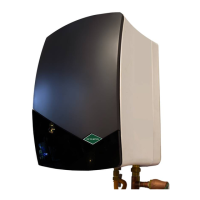
Eco King Boilers are designed and shipped ideally for use with 80mm/125mm concentric, pipe in pipe, venting
connection at the top of the boiler. In cases where twin pipe systems are used, a black O-ring seal on the concentric
air intake portion must be used to block air intake. Then the white cap on the separate single pipe air intake must be
removed from the boiler and an o-ring seal added. Now the boiler is ready to be used in a two pipe system (refer to
Venting Part 3 above). Once these rules are followed, use any 80mm PP to PVC/CPVC adapter (for example,
available through Eco King with part number EK PP-3PVC, M&G Duravent 3PPSAD-PVC or thru IPEX), to connect
immediately onto the boiler. Pipe size can be reduced to 2” CPVC, but if done, care must be taken to ensure vent
length does not exceed max lengths in chart shown in Table 3.1. Then connect the same adapter on air intake side
and use ABS, PVC or CPVC for air intake vent run.
Vent/Air-Intake Pipe Length Determination
Use table 3.1 to determine the maximum pipe length that can be used. The table calculates pipe length with
regard to use of 90º elbows, and 45º elbows. Allowable pipe lengths for vent and air-intake pipes are shown for
Natural Gas.
Table 3.1 Maximum Single Pipe length determination for PVC/CPVC (combined lengths. Exhaust vent should
not exceed ½ these distances, ie. 2” max length is 105 ft, so exhaust should not be longer then 52ft)
Number of Elbows and Equivalent Feet



 To Next Page