EasyManua.ls Logo

ESI eSIP Evolution ePhone3 - User Manual

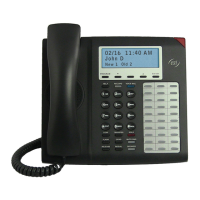
ESI eSIP Evolution ePhone3
19 pages
Print Icon
To Next Page IconTo Next Page
Loading...
Page 1 of 19 0455-0209 Rev C
eSIP Evolution Series
ePhone3 and ePhone4x Button Programming
The purpose of this document is to provide instruction for how (DSS) buttons should be programmed for the ePhone3
and ePhone4x SIP phones.
Contents
Button Programming Overview ...................................................................................................................................... 2
Understanding Memory Keys ......................................................................................................................................... 3
BLF Keys ........................................................................................................................................................................ 3
Presence Indication ........................................................................................................................................................ 4
MWI ................................................................................................................................................................................ 4
Dial ................................................................................................................................................................................. 4
Intercom ......................................................................................................................................................................... 4
Call Park ......................................................................................................................................................................... 4
Call Forward ................................................................................................................................................................... 4
Understanding Other Key Configurations ..................................................................................................................... 5
LINE Keys ...................................................................................................................................................................... 5
DTMF Keys .................................................................................................................................................................... 6
Call Park ......................................................................................................................................................................... 6
Button Programming Web Interface ............................................................................................................................... 7
Accessing the Phone Portal ........................................................................................................................................... 7
Phone Button Layout ...................................................................................................................................................... 7
Programming a Line Key ................................................................................................................................................ 9
Programming a Call Park Key ........................................................................................................................................ 9
Programming a Call Pickup Key .................................................................................................................................. 10
Programming an Extension Key ................................................................................................................................... 10
Using this key for a transfer
...................................................................................................................................... 11
Using this key for a call pickup ................................................................................................................................. 11
Programming a Transfer to Voicemail Key .................................................................................................................. 13
Programming Multicast Paging .................................................................................................................................... 15
Adding Bulk Extensions ................................................................................................................................................ 17
Add bulk extensions ..................................................................................................................................................... 17
Export the extensions. .................................................................................................................................................. 18
Question and Answer IconNeed help?

Do you have a question about the ESI eSIP Evolution ePhone3 and is the answer not in the manual?

Summary

Button Programming Overview

Understanding Memory Keys

BLF Keys

Explains the five subtypes of one-touch BLF transfer methods and their usage.

Presence Indication

Details how presence keys display line status and user online presence.

MWI

Covers Message Waiting Indication key subtype, noting it's not needed for eSIP Evolution.

Dial

Describes using a key to store and dial commonly used phone numbers (speed dial).

Intercom

Explains the Intercom key subtype, noting it uses a feature code and DTMF.

Call Park

Describes Call Park functionality, noting it's programmed as DTMF, not Memory Key.

Call Forward

Explains Call Forward key subtype, noting it uses a feature code and DTMF.

Understanding Other Key Configurations

LINE Keys

Details Line key functions for active calls, including LED status and call interaction.

DTMF Keys

Explains DTMF keys for actions during calls, like Call Park, and using pound (#) or Dial.

Button Programming Web Interface

Accessing the Phone Portal

Guide to access the phone's web interface for button configuration.

Phone Button Layout

Understanding the physical and logical arrangement of programmable keys.

Programming a Line Key

How to program a Line Key for making and receiving calls via the web interface.

Programming a Call Park Key

Programming a key to park calls during an active call using DTMF via the web interface.

Programming a Call Pickup Key

Programming a key to pick up other extensions ringing in the same group via the web interface.

Programming an Extension Key

Setting up a key with Busy Lamp Field (BLF) for extension status via the web interface.

Programming a Transfer to Voicemail Key

Configuring a key to transfer calls directly to a voice mail box via the web interface.

Programming Multicast Paging

Setting up a button to access multicast paging channels via the web interface.

Adding Bulk Extensions

Add bulk extensions

Process for adding multiple VoIP extensions and user details in bulk using the PBX.

Export the extensions

Steps to export existing extension data into a CSV file from the PBX.

Summary

Button Programming Overview

Understanding Memory Keys

BLF Keys

Explains the five subtypes of one-touch BLF transfer methods and their usage.

Presence Indication

Details how presence keys display line status and user online presence.

MWI

Covers Message Waiting Indication key subtype, noting it's not needed for eSIP Evolution.

Dial

Describes using a key to store and dial commonly used phone numbers (speed dial).

Intercom

Explains the Intercom key subtype, noting it uses a feature code and DTMF.

Call Park

Describes Call Park functionality, noting it's programmed as DTMF, not Memory Key.

Call Forward

Explains Call Forward key subtype, noting it uses a feature code and DTMF.

Understanding Other Key Configurations

LINE Keys

Details Line key functions for active calls, including LED status and call interaction.

DTMF Keys

Explains DTMF keys for actions during calls, like Call Park, and using pound (#) or Dial.

Button Programming Web Interface

Accessing the Phone Portal

Guide to access the phone's web interface for button configuration.

Phone Button Layout

Understanding the physical and logical arrangement of programmable keys.

Programming a Line Key

How to program a Line Key for making and receiving calls via the web interface.

Programming a Call Park Key

Programming a key to park calls during an active call using DTMF via the web interface.

Programming a Call Pickup Key

Programming a key to pick up other extensions ringing in the same group via the web interface.

Programming an Extension Key

Setting up a key with Busy Lamp Field (BLF) for extension status via the web interface.

Programming a Transfer to Voicemail Key

Configuring a key to transfer calls directly to a voice mail box via the web interface.

Programming Multicast Paging

Setting up a button to access multicast paging channels via the web interface.

Adding Bulk Extensions

Add bulk extensions

Process for adding multiple VoIP extensions and user details in bulk using the PBX.

Export the extensions

Steps to export existing extension data into a CSV file from the PBX.

Overview

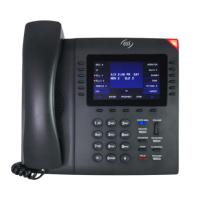
The eSIP Evolution Series encompasses the ePhone3 and ePhone4x SIP phones, designed to be platform-agnostic, meaning they can operate with various SIP platforms beyond just the eSIP Evolution system. This open architecture provides extensive programming options and settings, though only a subset is typically required for the eSIP Evolution. Other platforms, such as Metaswitch®, may utilize the full range of available options.

Function Description:

The primary purpose of these phones is to facilitate communication through SIP accounts, offering a wide array of programmable buttons for various functions. These functions can be categorized into actions performed while the phone is idle (e.g., Call Forward) or during an active call (e.g., call parking or transferring).

Important Technical Specifications:

  • Models: ePhone3 and ePhone4x.
  • Programmable DSS Keys:
    • ePhone4x: 36 programmable DSS keys (9 buttons across 4 pages).
    • ePhone3: 28 programmable DSS keys (7 buttons across 4 pages).
  • SIP Accounts: The ePhone4x can support up to 6 separate SIP accounts, though typically only one is configured.
  • Firmware: The document mentions an upcoming system firmware build for Multicast Paging configuration within Auto Provisioning.
  • Connectivity: Phones obtain an IP address via DHCP upon power-up.
  • Default Credentials: "admin" for both login name and password to access the phone portal.

Usage Features:

Button Programming Overview:

The most relevant key types for eSIP Evolution are Line, Memory Key, and DTMF. Key Event, Multicast, and Action URL types are used in specific scenarios.

Understanding Memory Keys:

There are 11 subtypes of Memory Keys, with five related to BLF (Busy Lamp Field).

  • BLF Keys: These keys monitor the state of a subscribed extension (idle, ringing, on a call) and can perform a pickup when the extension is ringing.
    • BLF/NEWCALL: Initiates a new call to the subscribed user without hanging up the previous call (while on a call).
    • BLF/BXFER: Initiates a call to the subscribed user (while idle) or performs a blind transfer (while on an active call).
    • BLF/AXFER: Initiates a call to the subscribed user (while idle) or performs a supervised transfer (while on an active call).
    • BLF/Conference: Initiates a call to the subscribed user (while idle) or initiates a conference (while on an active call).
    • BLF/DTMF: Initiates a call to the subscribed user (while idle) or sends DTMF digits to the system (while on an active call). This is crucial for features like Transfer to Voicemail.
    • LED Status for BLF:
      • Solid Green: Subscribed user is idle. Press to call.
      • Blinking Red: Subscribed user is ringing. Press to pick up the call (if pickup number configured).
      • Solid Red: Subscribed user is on a call or in Do Not Disturb (DND).
  • Presence Indication: Similar to BLF, but primarily shows line status and whether the other party is online. While idle, pressing initiates a call. If ringing, pressing can pick up the call (if an extension is configured in the pickup field).
  • MWI (Message Waiting Indicator): Monitors voicemail messages. Not needed for eSIP Evolution due to a fixed Voice Mail button with built-in MWI.
  • Dial (SpeedDial): Stores frequently used or difficult-to-remember phone numbers. Pressing the key while idle calls the number directly. No LED status.
  • Intercom: Allows barging into another extension. Programmed as a DTMF key using a star feature code.
    • Warning: If the called extension is on an active call, Intercom will put the active call on hold and use the speakerphone.
  • Call Park: Retrieves a parked call. Programmed as a DTMF key because it's used during an active call.
  • Call Forward: Forwards calls to a set number. Programmed as a DTMF key using a star feature code.

Understanding Other Key Configurations:

  • LINE Keys: Provide LED status of active calls and can initiate calls.
    • Phone State Interaction:
      • Idle: Registered (green LED), press for dial tone. Unregistered (blinking red LED).
      • Ringing (Incoming Call): Blinking green LED, press to answer. Press again to disconnect. To make an outbound call while ringing, press an idle line key.
      • Calling (Outgoing Call): Press line key for dial tone, enter number, press # or Dial. Pressing again puts active call on hold.
      • Ringing While on Call: Press line key for new incoming call to answer (active call placed on hold). Pressing active call's line key disconnects. Press blinking amber line key to retrieve held call.
      • Two "active" calls: One active (solid red LED), one on hold (blinking amber key). Toggle by pressing the line key.
    • LED Status for Line Keys:
      • Off: Not configured.
      • Solid Green: Registered and Idle.
      • Blinking Green: Dialing or Ringing.
      • Blinking Amber: Registering.
      • Blinking Red: Registration Failed.
      • Solid Red: In Use (Calling).
  • DTMF Keys: Used for actions during an active call, such as Call Park. Can also be used for speed dials, but requires pressing '#' or 'Dial' to complete.

Button Programming Web Interface:

Access the phone's web interface by entering its IP address in a browser.

  1. Find IP Address: Press MENU on the phone, navigate to Status (row 2).
  2. Login: Enter IP address in browser, use "admin" for login and password.
  3. Navigation: Go to "Feature Keys" in the left panel, then "Feature Keys" tab.

Programming Examples:

  • Line Key: Set Type to "Line", Name (e.g., "Line #"), Line to "SIP1".
  • Call Park Key: Set Type to "DTMF", Name (e.g., "Call Park"), Value to "*6" (default star code for eSIP Evolution), Line to "Auto".
  • Call Pickup Key: Set Type to "DTMF", Name (e.g., "Call Pickup"), Value to "*4" (default star code for eSIP Evolution), Line to "Auto". This is for group call pickup.
  • Extension Key (Direct Station Selection/DSS with BLF): Set Type to "Memory Key", Name (e.g., "Billy"), Value to extension number (e.g., "6501"), Subtype to "BLF/AXFER" (for Attended Transfer), Line to "SIP1", Pickup to "*04[EXT]" (e.g., "*046501" for direct call pickup).
    • Transfer using Extension Key: While on an active call, press the idle extension key. This places the current call on hold and calls the extension. Announce the call, then disconnect.
    • Call Pickup using Extension Key: While idle, if an extension key is blinking red (ringing), press it to pick up the call.
  • Transfer to Voicemail Key: Requires two keys.
    • VM Xfer Key: Type "DTMF", Name "VM Xfer", Value "03*" (default blind transfer to voicemail code), Line "Auto".
    • Extension Voicemail Key: Type "Memory Key", Name (e.g., "Billy"), Value to extension number (e.g., "6501"), Subtype "BLF/DTMF", Line "SIP1".
    • Usage: While on an active call, press VM Xfer Button, then the BLF/DTMF key for the person, then press '#' to complete.
  • Multicast Paging:
    • Phone Configuration: In Phone GUI, Phone Settings > MCAST. Configure Index/Priority, Name (e.g., "PG1"), and Host:Port (e.g., "224.123.123.123:6767").
    • Button Programming: Set Type to "Multicast", Name (e.g., "Paging"), Value to the Multicast IP Address and Port, Subtype to the desired Voice Codec (e.g., "G.722").
    • Paging Group (eSIP Evolution): Program an extension (e.g., "6300") as a Paging Group with Type "1-Way Multicast Paging", Name "Paging", Multicast Channel IP:Port matching the phone's configuration. Any device can dial this extension to access the Multicast Page Group.

Maintenance Features:

  • Adding Bulk Extensions:
    1. Go to Settings > PBX > Extensions, click "Bulk Add".
    2. Configure settings on the Basic page: Type (SIP/IAX), Start Extension, Create Number, Concurrent Registrations, Prompt Language.
    3. Optional: Configure Features, Advanced, or Call Permission tabs.
    4. Click "Save" and "Apply".
    • Note: Random Registration and User Passwords are assigned. To edit multiple, enable "Allow Weak Password" in Settings > System > Security > Service.
  • Exporting Extensions:
    1. On the Extensions page, select the desired extensions (or all) and click "Export".
    2. The extensions will be exported to a CSV file.
    • Note: Only up to 100 extensions can be exported at once per page.
  • Importing Extensions:
    1. Edit the exported CSV file to add user names (fullname for Caller ID Name) and email addresses.
    2. On the Extensions page, click "Import".
    3. Browse for the CSV file and click "Import".
    • Note: An error prompt may appear if records already exist; these will be overwritten. Check the log by clicking "Yes".
    1. Verify imported extensions on the PBX.

ESI eSIP Evolution ePhone3 Specifications

General IconGeneral
TypeIP Phone
Display Resolution128 x 64 pixels
Ethernet Ports2 x 10/100 Mbps
Power over EthernetYes (802.3af)
Supported ProtocolsSIP
Audio CodecsG.711, G.729
Lines3
FeaturesCall hold, transfer
Headset JackRJ9
Network10/100 Mbps Ethernet
LanguagesEnglish, French, Spanish

Related product manuals