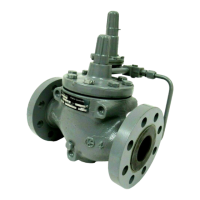
Type 399A-161-112
5
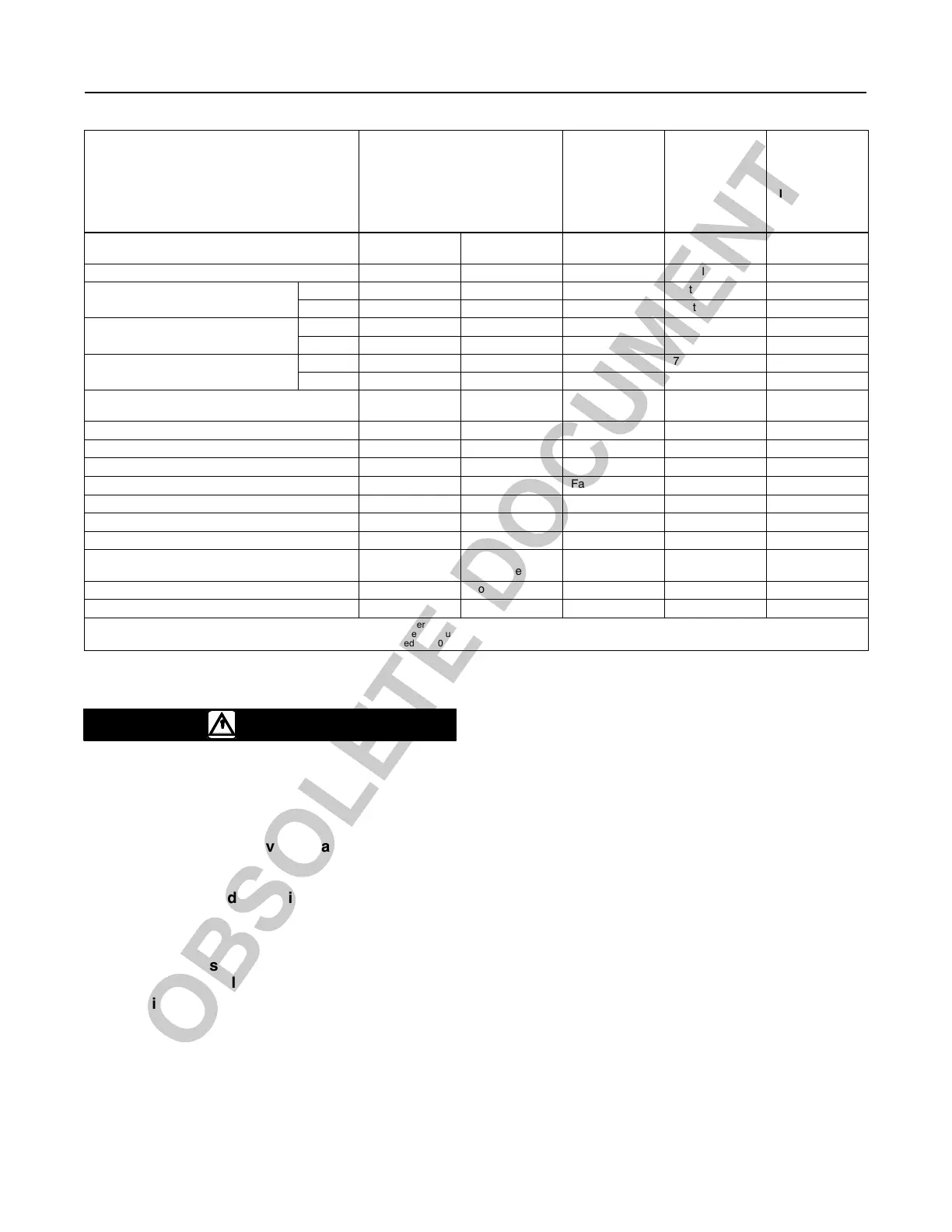
Table 4. Type 399A Diaphragm Material Selections
TYPICAL APPLICATIONS
STANDARD SELECTION FOR
PRESSURE REDUCTION
COLD
TEMPERATURES
OR RELIEF
WIDE-OPEN
OR ON/OFF
HIGH
TEMPERATURE
OR NATURAL
GAS HAVING
HIGH AROMATIC
HYDROCARBON
CONTENT
(1)
Material Designation E55 Full Coat
E55 Partial
Coat
(2)
E54 H3 E66
Elastomer Type Nitrile Nitrile Nitrile Epichloro hydrin Fluoroelastomer
Temperature Range
_F
0 to 150 0 to 150 -20 to 150 10 to 150 40 to 250
(inlet gas temperature)
_C
-18 to 66 -18 to 66 -29 to 66 -12 to 66 4 to 121
Psig 1050 1050 400 750 750
Bar 72 72 28 52 52
Psid 750 1050
(3)
400 750 400
Bar 52 72
(3)
28 52 28
Natural Gas With:
Up to 3% Aromatic Hydrocarbon Content
Excellent Excellent Good Excellent Excellent
3-15% Aromatic Hydrocarbon Content Fair Fair Poor Good Excellent
15-50% Aromatic Hydrocarbon Content NR NR NR Poor Excellent
Up to 3% H
2
S (hydrogen sulfide or sour gas) Fair Fair Fair Fair Good
Up to 3% Ketone Fair Fair Fair Fair Fair
Up to 10% Alcohol Good Good Good Good Fair
10-50% Alcohol Fair Fair Fair Fair NR
Up to 3% Synthetic Lube Fair Fair Fair Fair Good
3-50% Synthetic Lube
Not
Recommended
Not
Recommended
Not
Recommended
Not
Recommended
Consult Factory
Up to 100% Petroleum Based Lube Good Good Good Good Good
Air or Nitrogen Good Good Good Good Good
1. Shutoff performance is degraded by loss of memory of fluoroelastomer over time. Fluoroelastomer is harder than a standard nitrile diaphragm.
2. Partial coat diaphragm is used to minimize pressure permeability at higher pressure ranges.
3. Partial coat E55 diaphragm at maximum 100_F (66_C). 6-inch size rated at 800 psig (55 bar).
InstallationInstallation
WARNING
Personal injury, equipment damage, or
leakage due to escaping gas or bursting
of pressure-containing parts may result if
this regulator is overpressured or is
installed where service conditions could
exceed the limits given in tables 1 and 2,
or where conditions exceed any ratings of
the adjacent piping or piping connec-
tions. To avoid such injury or damage,
provide pressure-relieving or pressure-
limiting devices (as required by the ap-
propriate code, regulation, or standard)
to prevent service conditions from ex-
ceeding those limits.
Additionally, physical damage to the reg-
ulator could break the pilot off the main
valve, causing personal injury and prop-
erty damage due to escaping gas. To
avoid such injury and damage, install the
regulator in a safe location.
All Installations
When properly installed and maintained, a Type 399A
regulator normally bleeds no gas to atmosphere while
operating, allowing it to be installed in a pit or other
enclosed location without an elaborate venting system.
This regulator can also be installed in a pit subject to
flooding, by venting the pilot spring case above the
maximum possible flood level so that the pilot setting
can be referenced to atmospheric pressure.
Note
The Type 399A inlet strainer is intended to
filter only large occasional particles. If the
gas stream will carry continuous solids,
appropriate clean out or filtration outside
the regulator is recommended.


 To Next Page