11.1
Check for broken spring leaves, loose
U-bolts, cracks in the suspension
brackets, and loose fasteners in the spring
hangers and shackles.
11.2
Inspect the shock absorbers for loose fas-
teners and leaks.
11.3
Tighten all loose fasteners and have any
components replaced that are worn,
cracked, or otherwise damaged.
11.4
On vehicles with air suspensions, check
for leaks. Check air suspension compo-
nents for cuts and bulges.
12.
Clean the headlights, mirrors, windshield, side,
and rear windows with a long-handled or tele-
scoping window cleaning device and standard
cleaning solutions. Stand only on the ground, on
a stepladder, or an elevated walkway. The ve-
hicle entry/exit steps and handholds are not de-
signed for this purpose. The tires, fenders, en-
gine, and other under-hood components do not
have adequate gripping surfaces and handholds.
Check the condition of the windshield wiper arms
and blades.
Be sure the windshield wiper blades are ten-
sioned against the windshield.
Inspect the wiper blades for damage and deterio-
rated rubber.
Replace the wiper arms if the wiper blades are
not tensioned against the windshield.
Replace damaged or deteriorated wiper blades.
WARNING
When cleaning windshields and windows, always
stand on the ground or on a secure ladder or
platform. Use a long-handled window cleaner. Do
not use the cab steps, tires, fenders, fuel tanks,
engine, or under-hood components to access the
windshield or windows. Doing so could cause a
fall and result in an injury.
Replace wiper arms and blades when necessary
to maintain good visibility. Poor visibility could
interfere with the driver’s ability to control the
vehicle, possibly resulting in serious personal
injury or death.
13.
Check the oil- and air-pressure warning systems.
When the engine is started, oil- and air-pressure
warnings will come on until the oil and air pres-
sure rise above a preset minimum. After starting
the engine, make sure the oil- and air-pressure
warning systems are operating and that the
buzzer stops sounding when the preset minimum
is reached.
13.1
If the warning systems do not come on
when the ignition is turned on, have the
systems repaired.
13.2
If the air pressure in both systems is
above the preset minimum when the en-
gine is started, test the low air pressure
warning system by lowering the pressure
to below this range, or until the warning
system comes on.
NOTE: The air pressure in both the primary
and secondary air reservoir systems must
be above 65 psi (448 kPa) on most vehicles.
For vehicles with an optional Bendix dryer
reservoir module (DRM), the cut-out pres-
sure is 130 psi (896 kPa).
14.
Check the instrumentation control unit (ICU) for
fault codes.
During the ignition sequence, if an active fault is
detected in any device that is connected to the
datalink, the message display screen will show
the active fault codes, one after the other, until
11/30/95
f470167
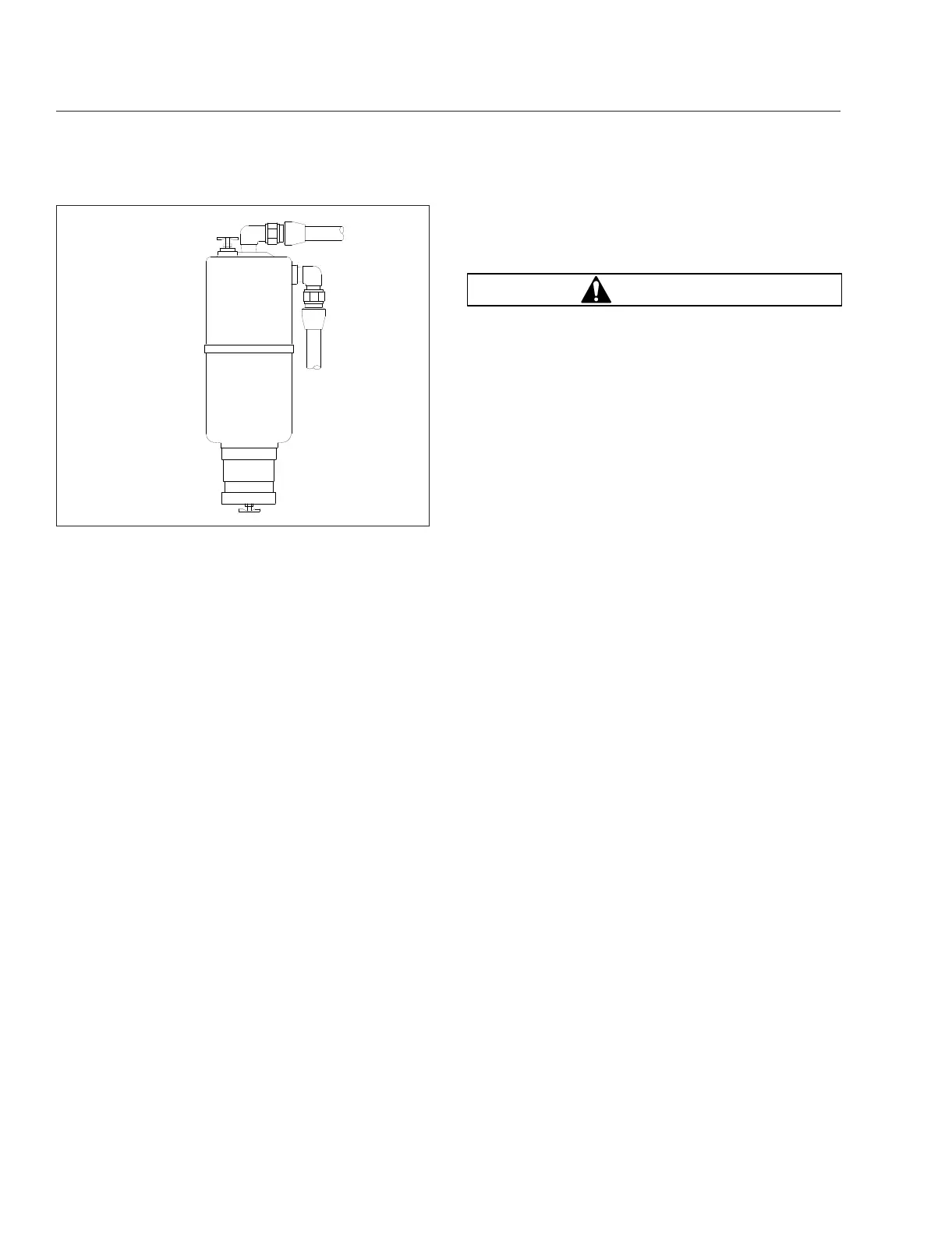
Fig. 15.6, Alliance Fuel/Water Separator
Pre- and Post-Trip Inspections and Maintenance
15.5









 To Next Page