14
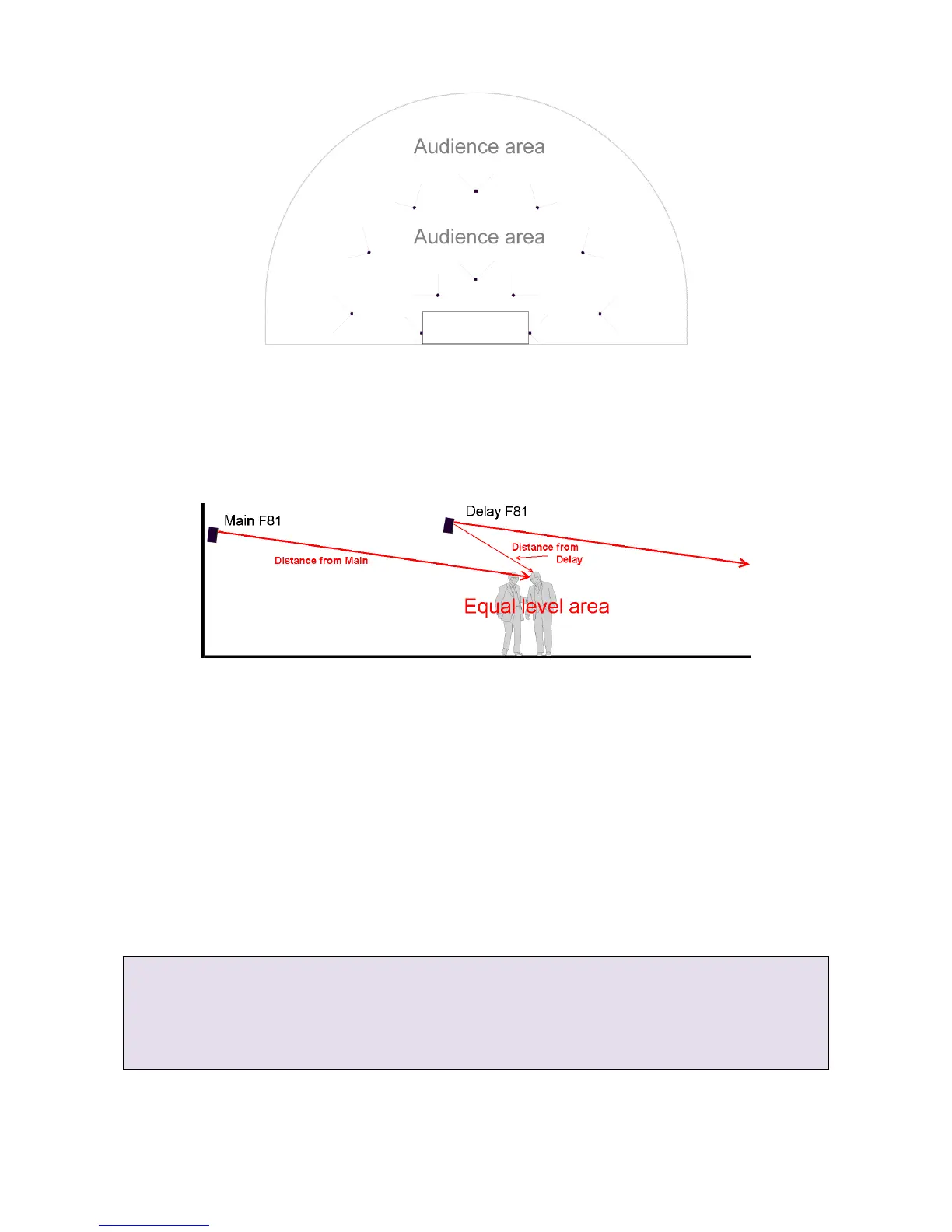
Fig 6.2-9 Large-scale distributed system - horizontal
Remember that, in circular or fan-shaped rooms, the second (delay) ring covers a radially expanding
audience area so more loudspeakers are required to maintain smooth coverage.
In this example the platform F81s are placed every 45˚ and the second ring F81s are placed every 30°.
Vertical aiming and time alignment
Fig 6.2-4 Distributed system – vertical
Aiming
Design the system for a smooth coverage “crossover”, at ear level, between main and delay areas. But
avoid excessive overlap as this will cause multiple arrivals and could reduce intelligibility.
Alignment procedure
Adjust the Delay F81 spl level for a smooth, equal level overlap area
Add the appropriate electronic delay* to the Delay F81 signal
* This additional delay can be calculated if you know the relevant distances.
The required delay, in milliseconds, will be:
Metric: (Distance in metres from Main F81 – Distance in metres from Delay F81) x 2.91 milliseconds
Imperial: (Distance in feet from Main F81 – Distance in feet from Delay F81) x 0.887 milliseconds
(Hint: If you don’t have a calculator, the multipliers may be rounded to 3.0 for metric and 0.9 for imperial)
Real-world testing
Make final level adjustments in a real-world situation - with lots of audience absorption, background
noise and chatter. This will highlight any coverage or intelligibility weak spots that may need correcting.
www.funktion-one.com © Funktion One Research Limited 2011


 To Next Page