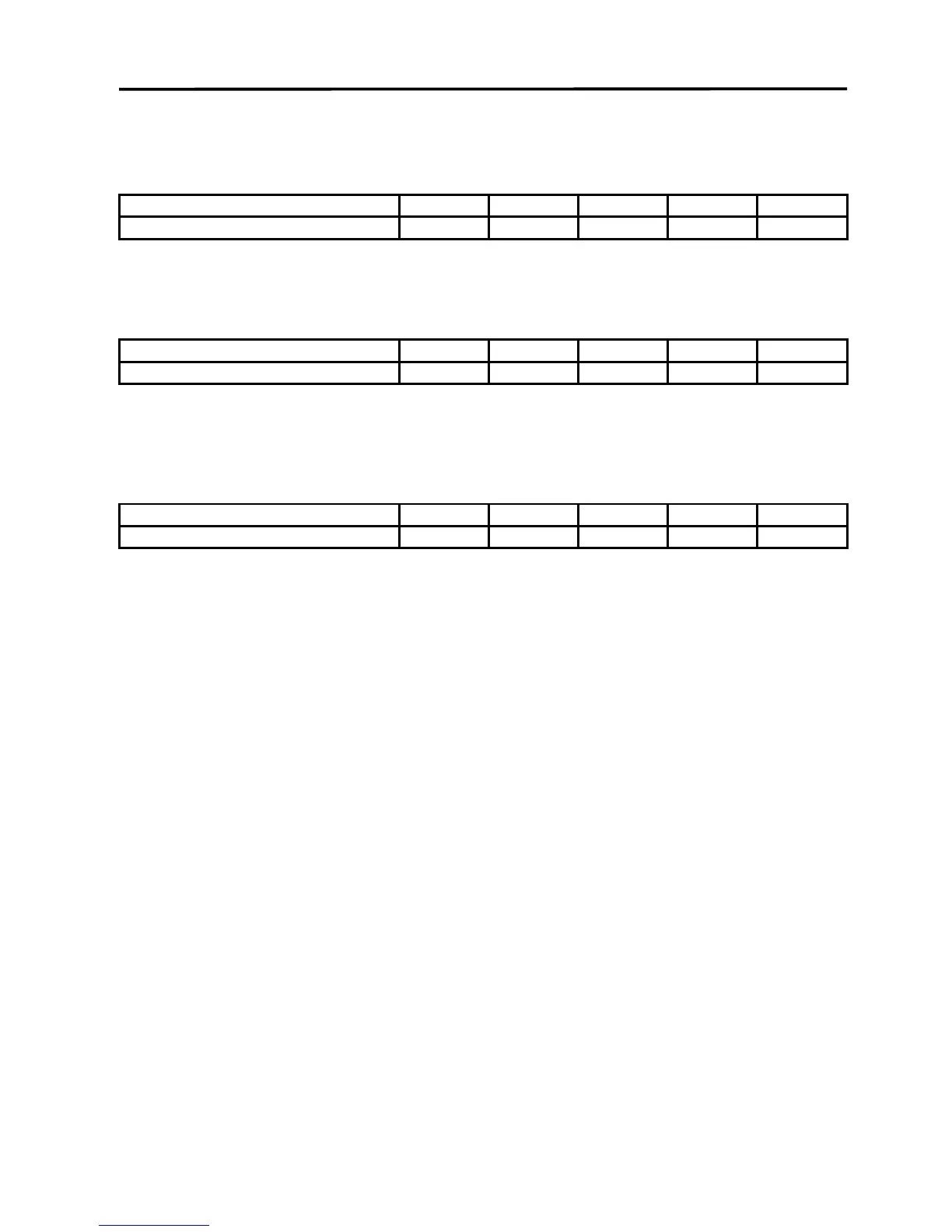
COMMENTS: On thicker plastics, remove the original masking and leave unmasked. Set the
power high enough to assure the full removal of the top surface and to remove some of the
substrate material. Sometimes it may be better to make two passes a lower power setting.
COMMENTS: Remove original masking. Mask with transfer tape on both sides. Dampen both
sides with water and elevate off the table. Make 1 to 2 more passes when cutting thicker
plastics.
ADDITIONAL COMMENTS
Engravers plastic comes in many different colors, thickness, coatings, and surface textures.
About 75 % of the available engravers plastic, including ADA signage materials, will engrave
and cut well with the laser system. Microsurfaced plastics seem to work the best because there
is less surface material to remove to uncover the substrate. Since most plastics have low
melting points, a low PPI setting is used when cutting to reduce the possibility of melting.
Masking and dampening with water also helps to reduce melting and keeps the plastic clear of
smoke residue. Always remove the original clear masking from the plastic because it does not
react well with the laser. Since there are so many types of engravers plastics, the only true
way to find out if a particular brand and type will work well with the laser is to experiment. Use
these power settings as a guideline for experimentation and adjust as necessary. Be creative
when engraving this type of material because amazing results will be produced that cannot be
reproduced with a mechanical engraver.


 To Next Page