7 - 60
1.3 INTENDED USE
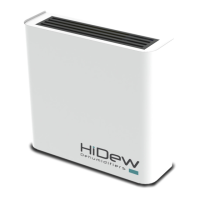
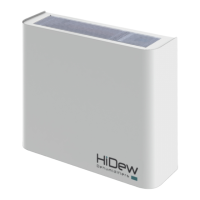
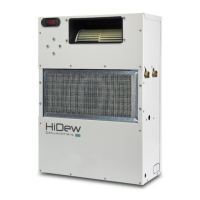
The DDS – DCS – DVS – DOS units are dehumidifiers for small swimming pools with exposed, on technical room and false ceiling
installation, designed for use in all environments in which failure to control humidity can cause damage to the structure.
It is intended for use in swimming pools treated with chlorine, not for use in salt swimming pools.
Its use is recommended within the operating limits indicated in this manual.
Position the unit in environments where there is no danger of explosion, fire, where there are
vibrations or electromagnetic fields. It is also prohibited to operate in any way other than that
stipulated or disregard required safety operations.
The units are designed for use on swimming pools or places with the high presence of chlorine and
other corrosive substances. It is extremely important to leave the unit always on in order to avoid
the depositing of corrosive substances and therefore its probable damage.
- The unit set to OFF from the display on the machine, after 180 minutes will be reactivated in STAND BY operating mode (no
air treatment, ventilation at minimum speed).
- The unit with dehumidification and inactive heating is factory set to keep the ventilation to a minimum.
- The unit will be switched off and disconnected necessarily for ordinary and extraordinary maintenance; it is good practice
to perform maintenance, to power it up and to turn it back on as soon as possible.
- Do not stop the unit for seasonal breaks.
All these indications are used to prevent the formation of chlorine deposits that could damage the
unit.
The normal process of air dehumidification inevitably leads to heating of the same. It is advisable
to take it into consideration the temperature of the pool environment.
1.4 RESIDUAL RISK AREAS
In some areas of the unit there are residual risks that could not be eliminated at the time of
design or delimited with guards given the particular functionality of the unit. Each operator
must be aware of the residual risks present in this unit in order to prevent accidents.
Residual risk areas:
- risk of short circuit and fire caused by short circuit;
- risk of explosion due to the presence of pressurised circuits and risk of pollution due to the presence of refrigerant in the
circuit;
- risk of burns due to the presence of very hot pipes:
- risk of shearing.



 To Next Page