EasyManua.ls Logo

Honda BF200D - User Manual

Honda BF200D
152 pages
Print Icon
To Next Page IconTo Next Page
Loading...
1
Thank you for purchasing a Honda
Outboard Motor.
This manual covers operation and
maintenance of the Honda BF200D/
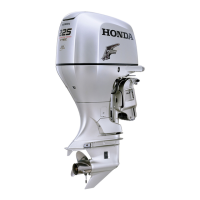
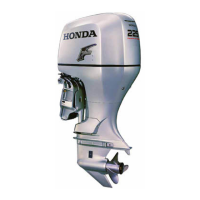
BF225D/BF250D Outboard Motor.
All information in this publication is
based on the latest product
information available at the time of
approval for printing.
Honda Motor Co., Ltd. reserves the
right to make changes at any time
without notice and without incurring
any obligation.
No part of this publication may be
reproduced without written
permission.
This manual should be considered a
permanent part of the Outboard
Motor and should remain with it if it
is resold.
Throughout this manual, you will see
safety messages proceeded by the
following words and symbols. Here’s
what they mean:
Indicates that equipment or
property damage could result if
instructions are not followed.
Gives helpful information.
If a problem should arise, or if you
have any questions about the
Outboard Motor, consult an
authorized Honda Outboard Motor
dealer.
Honda Motor Co., Ltd. 2018, All
Rights Reserved
DANGER
Indicates serious injury or death
WILL result if instructions are
not followed.
WARNING
Indicates a strong possibility that
serious personal injury or death
may result if instructions are not
followed.
CAUTION
Indicates a possibility that
personal injury or equipment
damage could result if
instructions are not followed.
WARNING
Honda Outboard Motors are
designed to give safe and
dependable service if operated
according to instructions. Read
and understand the Owners
Manual before operating the
Outboard Motor. Failure to do so
could result in personal injury or
equipment damage.
42ZVL600.book 1 ページ 2018年7月19日 木曜日 午前9時6分

Table of Contents

Questions and Answers

Summary

Safety Information and Warnings

Safety Information

General precautions for safe operation and maintenance of the outboard motor.

Operator Responsibility

Key responsibilities for safe operation, including reading the manual and understanding controls.

Controls and Features

Remote Control Lever Types

Details on the operation and function of remote control levers (D1, D2, R1, R2, R3 types).

Warning Indicators and Buzzers

Identification and function of PGM-FI, ACG, oil pressure, overheat, and water separator warnings.

Emergency Stop Switch and Lanyard

Function and use of the emergency stop switch and its lanyard.

Installation Procedures

Outboard Motor Installation

Steps for securely mounting the outboard motor to the boat.

Battery Connections

Guidelines for connecting the boat battery, including safety precautions.

Pre-Operation Checks

Engine Oil Check and Refill

Checking engine oil level, type, and replacement procedures.

Fuel Level Check

Ensuring correct fuel level and type, with warnings about contamination.

Battery Inspection and Handling

Checking battery fluid level, terminals, and safe handling procedures.

Starting the Engine

Starting the Engine (Key and Smart Key Types)

Steps for starting the engine using different key and smart key systems.

Operation

Break-in Procedure

Recommended break-in period and procedure for new outboard motors.

Gear Shifting

How to shift gears into Forward, Neutral, and Reverse for different control types.

Trimming the Outboard Motor

Adjusting the outboard motor trim angle for optimal performance.

Engine Protection System Warnings

Explanation of warning systems for oil pressure, overheat, PGM-FI, ACG, and water contamination.

Stopping the Engine

Emergency Engine Stop

Procedure for stopping the engine immediately using the emergency stop switch.

Normal Engine Stop Procedures

Steps for stopping the engine normally using key or start/stop switch.

Maintenance Procedures

Maintenance Schedule

Regular service intervals for various components and systems.

Engine Oil Replacement

Procedure for draining, refilling, and recommended oil for the engine.

Spark Plug Service

Checking, cleaning, and replacing spark plugs, including iridium types.

Fuel Filter with Water Separator Service

Inspection and replacement of the fuel filter with water separator.

Battery Maintenance

Battery handling, fluid level check, cleaning, and storage procedures.

Troubleshooting

Warning System Issues

Common symptoms when warning systems activate and possible causes/remedies.

Specifications

Summary

Safety Information and Warnings

Safety Information

General precautions for safe operation and maintenance of the outboard motor.

Operator Responsibility

Key responsibilities for safe operation, including reading the manual and understanding controls.

Controls and Features

Remote Control Lever Types

Details on the operation and function of remote control levers (D1, D2, R1, R2, R3 types).

Warning Indicators and Buzzers

Identification and function of PGM-FI, ACG, oil pressure, overheat, and water separator warnings.

Emergency Stop Switch and Lanyard

Function and use of the emergency stop switch and its lanyard.

Installation Procedures

Outboard Motor Installation

Steps for securely mounting the outboard motor to the boat.

Battery Connections

Guidelines for connecting the boat battery, including safety precautions.

Pre-Operation Checks

Engine Oil Check and Refill

Checking engine oil level, type, and replacement procedures.

Fuel Level Check

Ensuring correct fuel level and type, with warnings about contamination.

Battery Inspection and Handling

Checking battery fluid level, terminals, and safe handling procedures.

Starting the Engine

Starting the Engine (Key and Smart Key Types)

Steps for starting the engine using different key and smart key systems.

Operation

Break-in Procedure

Recommended break-in period and procedure for new outboard motors.

Gear Shifting

How to shift gears into Forward, Neutral, and Reverse for different control types.

Trimming the Outboard Motor

Adjusting the outboard motor trim angle for optimal performance.

Engine Protection System Warnings

Explanation of warning systems for oil pressure, overheat, PGM-FI, ACG, and water contamination.

Stopping the Engine

Emergency Engine Stop

Procedure for stopping the engine immediately using the emergency stop switch.

Normal Engine Stop Procedures

Steps for stopping the engine normally using key or start/stop switch.

Maintenance Procedures

Maintenance Schedule

Regular service intervals for various components and systems.

Engine Oil Replacement

Procedure for draining, refilling, and recommended oil for the engine.

Spark Plug Service

Checking, cleaning, and replacing spark plugs, including iridium types.

Fuel Filter with Water Separator Service

Inspection and replacement of the fuel filter with water separator.

Battery Maintenance

Battery handling, fluid level check, cleaning, and storage procedures.

Troubleshooting

Warning System Issues

Common symptoms when warning systems activate and possible causes/remedies.

Specifications

Honda BF200D Specifications

General IconGeneral
Full Throttle RPM Range5, 000-6, 000 RPM
Starting SystemElectric
Lubrication SystemWet Sump
Trim Range-4° to +16°
Max Output200 HP
Fuel Tank CapacityExternal
Cooling SystemWater Cooled
Valve TrainSOHC
Fuel DeliveryPGM-FI (Programmed Fuel Injection)
Ignition SystemFull Transistorized
PropellerOptional
Shaft Length25" (635 mm)
Engine Type4-stroke, SOHC, 4-cylinder

Related product manuals