EasyManua.ls Logo

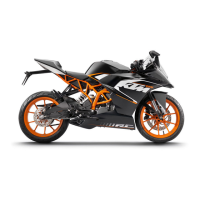
KTM RC 125 EU 2015 - User Manual

KTM RC 125 EU 2015
205 pages
Print Icon
To Next Page IconTo Next Page
Loading...
OWNER'S MANUAL 2015
RC 125 EU
RC 200 EU
RC 200 ASIA
RC 200 MY
Art. no. 3213246en

Table of Contents

Other manuals for KTM RC 125 EU 2015

Questions and Answers

  • K
    Kathy Hernandez MDAug 20, 2025
    What to do if my KTM RC 125 EU 2015 engine turns but does not start?
    • A
      Aaron AndrewsAug 20, 2025
      If your KTM Motorcycle engine turns but does not start: * Ensure you are following the correct engine starting procedure. * There may be a defect in the fuel injection system. Read out the fault memory using the KTM diagnostics tool.
  • C
    Carlos DoughertyAug 22, 2025
    Why is my KTM RC 125 EU 2015 Motorcycle battery discharged?
    • A
      Alyssa HughesAug 22, 2025
      If your KTM Motorcycle battery is discharged, it might not be getting charged by the alternator. Check the charging voltage and the open-circuit current.
  • J
    Joshua CannonAug 25, 2025
    What to do if my KTM Motorcycle engine does not crank when pressing the electric starter button?
    • Q
      quinnalexanderAug 25, 2025
      If your KTM Motorcycle engine doesn't crank when you press the electric starter, here are a few things to check: * Ensure you are following the correct engine starting procedure. * The battery might be discharged, so recharge it. * Check fuses 1, 3, 4, and 7 and replace any that are blown. * Verify the ground connection is secure.
  • H
    Heather CaseAug 26, 2025
    What to do if my KTM Motorcycle engine dies during the trip?
    • E
      Erin JimenezAug 27, 2025
      If your KTM Motorcycle engine dies during a trip, consider these potential causes: * Check if you're out of fuel and refuel if necessary. * Inspect fuses 1, 3, 4, and 7, and replace any that are blown.
  • J
    Jessica LewisAug 28, 2025
    Why is my KTM RC 125 EU 2015 Motorcycle headlight and parking light not functioning?
    • R
      Ruben AndersonAug 28, 2025
      If the headlight and parking light on your KTM Motorcycle are not working, the cause may be that Fuse 6 is blown. Replace the fuse.
  • J
    Jessica BoydAug 30, 2025
    What to do if my KTM Motorcycle turn signal, brake light, and horn are not functional?
    • A
      Amanda CampbellAug 30, 2025
      If the turn signal, brake light, and horn on your KTM Motorcycle are not working, the cause may be that Fuse 6 is blown. Replace the fuse.
  • T
    Theresa CastilloSep 1, 2025
    Why is the ABS warning lamp lighting up on my KTM RC 125 EU 2015 (RC 125)?
    • M
      Michael MuellerSep 1, 2025
      The ABS warning lamp on your KTM Motorcycle (RC 125) might light up due to: * A blown ABS fuse, so replace the ABS fuses. * A large difference in wheel speeds. In this case, stop the vehicle, switch off the ignition, and start it again. * A malfunction in the ABS. In this case, read out the ABS fault memory using the KTM diagnostics tool.
  • S
    sharon17Sep 3, 2025
    What to do if my KTM RC 125 EU 2015 Motorcycle engine has too little power?
    • R
      Richard PriceSep 3, 2025
      If your KTM Motorcycle engine has too little power, consider the following: * Replace the air filter if it is very dirty. * Check the fuel pressure if the fuel filter is very dirty. * Check the cooling system for leakage and the coolant level in the compensating tank if there is too little coolant in the cooling system. * Clean the radiator fins if they are very dirty. * Drain and refill/bleed the cooling system if there is foam formation in the cooling system. * Check the thermostat if it is defective.
  • J
    Jessica GlennSep 5, 2025
    Why is my KTM RC 125 EU 2015 engine overheating?
    • J
      John JonesSep 5, 2025
      If your KTM Motorcycle engine is overheating, check the radiator fan system.
  • U
    uwernerSep 7, 2025
    Why does my KTM RC 125 EU 2015 Motorcycle engine turn only if the clutch lever is drawn?
    • N
      Noah DavisSep 7, 2025
      Your KTM Motorcycle engine may only turn when the clutch lever is drawn because the vehicle is in gear. Shift gear to neutral.

Summary

Dear KTM Customer

Vehicle Information and Manual Notes

Section for entering serial numbers and general manual disclaimers.

Means of Representation

Symbols and Formats Used

Explains the meaning of symbols and typographical formats in the manual.

Safety Advice

General Safety Guidelines

Covers use definition, safety instructions, and warning labels.

Risk Levels and Tampering Warning

Details danger levels, symbols, and warns against tampering.

Safe Operation Practices

Provides critical safety guidelines for operating the vehicle.

Protective Gear and Work Rules

Emphasizes protective clothing and outlines rules for vehicle maintenance.

Environmental Considerations

Discusses responsible use and disposal of fluids to protect the environment.

Owners Manual Importance

Stresses the importance of reading the manual for safe and optimal vehicle use.

Important Notes

Warranty, Substances, and Service

Covers warranty, operating substances, spare parts, and service requirements.

Figures and Customer Service

Notes on figures and how to contact customer service.

View of Vehicle

Component Identification

Illustrates and labels key vehicle components from different views.

Serial Numbers

Location of Vehicle Identifiers

Explains where to find the chassis number, type label, engine number, and key number.

Controls

Handlebar Controls

Identifies and describes clutch, hand brake, throttle, horn, lights, and turn signals.

Safety and Starting Controls

Covers Emergency OFF switch, electric starter, and ignition/steering lock.

Steering Lock Operation

Provides instructions for locking and unlocking the vehicle's steering.

Fuel Filler Cap Operation

Details procedures for opening and closing the fuel filler cap, including safety.

Seat Lock and Tool Set

Locates the seat lock and tool set, and describes their use.

Passenger Features and Gear Shift

Covers grab handles, passenger footrests, and the shift lever.

Braking and Parking Controls

Explains the foot brake lever and side stand operation.

Combination Instrument

Instrument Overview and Functionality

Provides an overview of the instrument cluster, its displays, buttons, and indicator lamps.

Display Modes and Warnings

Explains different display modes, warning notes, and indicators.

Instrument Display Menus

Details various menus like fuel level, trip data, average consumption, range, and service.

Display Settings and Adjustments

Covers setting units (km/miles), time, and shift speed RPM.

Preparing for Use

First Use and Engine Break-In

Crucial advice for initial operation, safety, and engine break-in procedures.

Vehicle Loading and Weight Limits

Guidelines on safely loading the vehicle and respecting weight limits.

Riding Instructions

Pre-Ride Checks and Starting

Essential pre-ride checks and step-by-step engine starting procedure.

Starting Off and Riding Techniques

Advice on starting off, shifting, riding, and potential hazards.

Braking Procedures and Safety

Guidance on applying brakes, stopping distances, and safety warnings.

Stopping, Parking, and Transport

Procedures for stopping, parking, and securing the motorcycle for transport.

Refueling Precautions

Safety guidelines and steps for refueling the motorcycle.

Service Schedule

Required and Recommended Maintenance

Lists mandatory and recommended service tasks with intervals and related information.

Tuning the Chassis

Shock Absorber and Shift Lever Adjustment

Instructions for adjusting shock absorber preload and shift lever position.

Service Work on the Chassis

Using Motorcycle Stands

Guidance on safely using front and rear wheel stands to lift the motorcycle.

Seat Removal and Installation

Step-by-step instructions for removing and installing the front and passenger seats.

Chain Inspection and Cleaning

Procedures for checking chain dirt accumulation and cleaning the drive chain.

Chain Tension Adjustment and Wear Check

How to check chain tension, adjust it, and inspect for wear.

Sprocket and Chain Wear Inspection

How to check wear on sprockets and chain, and chain wear measurement.

Battery Cover and Chain Guard Maintenance

Instructions for removing/installing battery cover and checking chain guard.

Front Spoiler Removal and Installation

Instructions for removing and fitting the front spoiler.

Side Cover Removal and Installation

Instructions for removing and installing the left and right side covers.

Brake System

ABS System Overview and Limitations

Explains the ABS system, its components, and operational limitations.

Brake Disc Checks

Details how to check the thickness and wear limits of the brake discs.

Front Brake Fluid Level and Addition

Instructions for checking and adding front brake fluid, including warnings.

Front Brake Lining Checks

How to check the thickness and wear of the front brake linings.

Rear Brake Fluid Level and Addition

Instructions for checking and adding rear brake fluid, including warnings.

Rear Brake Lining Checks

How to check the thickness and wear of the rear brake linings.

Foot Brake Lever Free Travel

Procedures for checking and adjusting the free travel of the foot brake lever.

Wheels and Tires

Front Wheel Service

Step-by-step instructions for removing and installing the front wheel.

Rear Wheel Service

Step-by-step instructions for removing and installing the rear wheel.

Hub Dampers and Tire Maintenance

How to check hub dampers and tire condition, including pressure.

Electrical System

Battery Service Procedures

Procedures for removing, installing, and recharging the motorcycle battery.

Fuse Management (ABS and General)

How to change ABS fuses and fuses for individual power consumers.

Headlight Bulb Replacement

Instructions for replacing low beam and high beam headlight bulbs.

Headlight Aim Adjustment

Procedures for checking and adjusting low beam and high beam headlight aim.

Cooling System

System Overview and Coolant Level Checks

Explains system operation, checking coolant levels in compensating tank and radiator.

Coolant Level Correction and System Service

How to correct coolant levels, drain, and fill/bleed the cooling system.

Tuning the Engine

Throttle and Clutch Cable Adjustment

How to check and adjust play in the throttle and clutch cables.

Service Work on the Engine

Engine Oil Level and Change Procedures

Covers checking oil level, changing oil/filter, and adding oil with specifications.

Cleaning and Care

Motorcycle Cleaning Procedures

Instructions for cleaning the motorcycle, including safety and environmental notes.

Winter Operation and Corrosion Protection

Steps for winter preparation, cleaning after salt exposure, and corrosion inhibition.

Storage

Preparing for Storage and Retrieval

Steps for preparing the motorcycle for long-term storage and taking it out of storage.

Troubleshooting

Common Faults and Solutions

Lists common faults like starting issues, low power, overheating, and their solutions.

Flash Code

FI Warning Lamp Diagnostic Codes

Lists diagnostic flash codes from the FI warning lamp and their error level conditions.

Technical Data

Engine Specifications (RC 125;RC 200)

Detailed technical specifications for both RC 125 and RC 200 engines.

Torque Specifications

Lists engine and chassis tightening torque values for various fasteners.

Capacities and Fluid Types

Lists capacities for oil, coolant, fuel, and types of fluids required.

Chassis, Electrical, and Tire Data

Technical details on chassis, electrical components, tires, fork, and shock absorber.

Substances

Brake Fluid, Coolant, and Engine Oil

Details standards, usage, and suppliers for brake fluid, coolant, and engine oils.

Fuel and Oil Specifications

Guidelines for Super Unleaded fuel and specifications for fork oil.

Auxiliary Substances

Cleaning, Lubrication, and Additives

Recommended products for chain care, cleaning, greasing, and fuel additives.

Finishing and Protection Products

Recommended products for paint finish, protection, and surface cleaning.

Standards

JASO T903 MA and SAE Viscosity

Explains the JASO T903 MA standard for motorcycle oils and SAE viscosity classification.

KTM RC 125 EU 2015 Specifications

General IconGeneral
Displacement124.7 cc
Transmission6-speed
Fuel SystemElectronic Fuel Injection
Seat Height820 mm
Bore x Stroke58 mm x 47.2 mm
StarterElectric
Engine TypeSingle-cylinder, 4-stroke
Power15 HP
Torque12 Nm
Fuel Tank Capacity10 l
Front BrakeDisc brake
Rear BrakeDisc brake
Rear SuspensionMonoshock
FrameSteel trellis frame

Related product manuals