Section 10: Heating Operation
In most of our discussion in the previous sections, emphasis has been given to the cooling
operation whereby the mini chiller produces chilled water. The heat pump version
of the mini
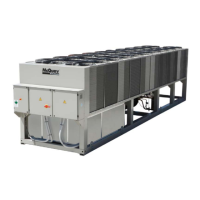
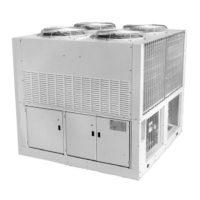
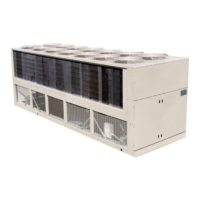
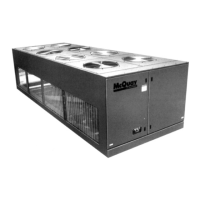
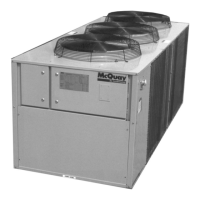
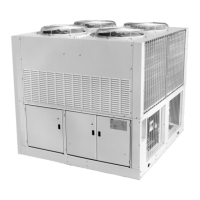
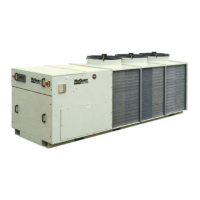
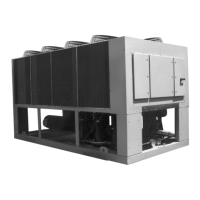
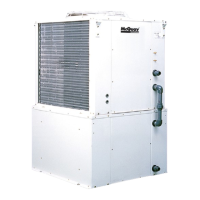
chiller (designated with "R" at the end of the model name, e.g. AC 50AR, AC 125BR, AC 80CR
can operate both under the cooling mode and heating mode, i.e. it can produce either chilled
water or hot water. The heating cycle is run during the cold, winter months. Operation of the
heating cycle is accomplished by reversing the refrigerant flow in the circuit with a 4-way valve. By
doing so, the BPHE becomes the condenser which rejects the heat absorbed from the ambient air
into the water. The mini chiller has been designed with a rated water entering and leaving
temperatures of 40°C and 45°C respectively in the heating cycle.
(Compare rating for the cooling cycle at 12°C and 7°C for entering and leaving temperatures)
The maximum allowable entering water temperature is 50°C, i.e. corresponding to a
leaving temperature of 55°C.
The mini chiller has also been designed to operate the heating cycle with an ambient
temperature range of -5°C to 15°C.
Because of the higher water temperature, several precautions must be taken into
consideration when using this system:
Application considerations:
1. In multiple chiller installation, all the chillers must either run in the cooling mode or heating
mode. We cannot have a few units running cooling cycle while the rest running heating cycle
because this may damage the compressor as a result of overloading.
2. In the same manner, in multiple fan coil units installation with a single mini chiller, the wiring of
the system must be in such a way to have all the fan coil units either in cooling mode or heating
mode.
3. Do not use PVC pipes for such heating systems. PVC is OK for chilled water but long term usage
with hot water will soften and weaken the material. Most of these pipes will exhibit sagging in
between supports after some time.
It is recommended that black steel or copper pipes to be used instead.
4. Any gaskets, sealants or insulation material used in the piping system must able to withstand
temperatures of at least 60°C without degradation of their physical properties.
5. Recheck again the pipe insulation thickness which has been sized for the cooling cycle to
prevent condensation. In the heating cycle, the insulation thickness must be sufficient to have a
safe handling surface temperature (e.g. 30 to 35°C).
Section 10 Page 115


 To Next Page