10. Perhaps the most important function that occurs during the heating cycle is the defrost
function. Operation of heating cycle under sub-zero ambient temperatures will cause the
evaportor condensate to ice-up on the fin surfaces. The ice/frost will retard heat transfer and
reduces the chiller performance. Therefore, the electronic controller in the mini chiller will
initiate a defrost cycle to melt off the ice by momentarily switching the system back to a
cooling cycle. During this time, the finned tube heat exchanger will become the condenser
and gets heated up to melt off the ice. Once completed, the chiller will again revert back to
heating cycle.
During the defrost cycle, there will be a lot of water dripping down from the unit. Always
ensure proper drainage of this water. See Clause 6 of this section.
When running this defrost cycle initially, there may be instances whereby the controller will
trip the chiller. Check the nature of fault from the controller LED display (e.g. "HP" or "LP").
Refer to theTrouble Shooting table in the Technical Manual for remedial actions. It may be
necessary to consult trained service personnel to perform some minor adjustments to
optimise this defrost cycle.
11. It is an option
whether to install or not a safety pressure relief valve into the pipe system It
is recommended for safety purposes, but this will increase the cost of installation.
Such valves are useful to protect against overheating of water when the other safety
protection features in the chiller unit (i.e. water temperature sensor, compressor
overload protector, high pressure switch) have failed.
A reasonable setting of pressure should be selected to ensure a smooth operation under
the highest operating temperature without any nuisance trips. An example is 300 kPa.
Note: Other than overheating, the safety relief valve will also protect the system from
a) overpressurising from make-up water system and
b) shocks from water hammer.
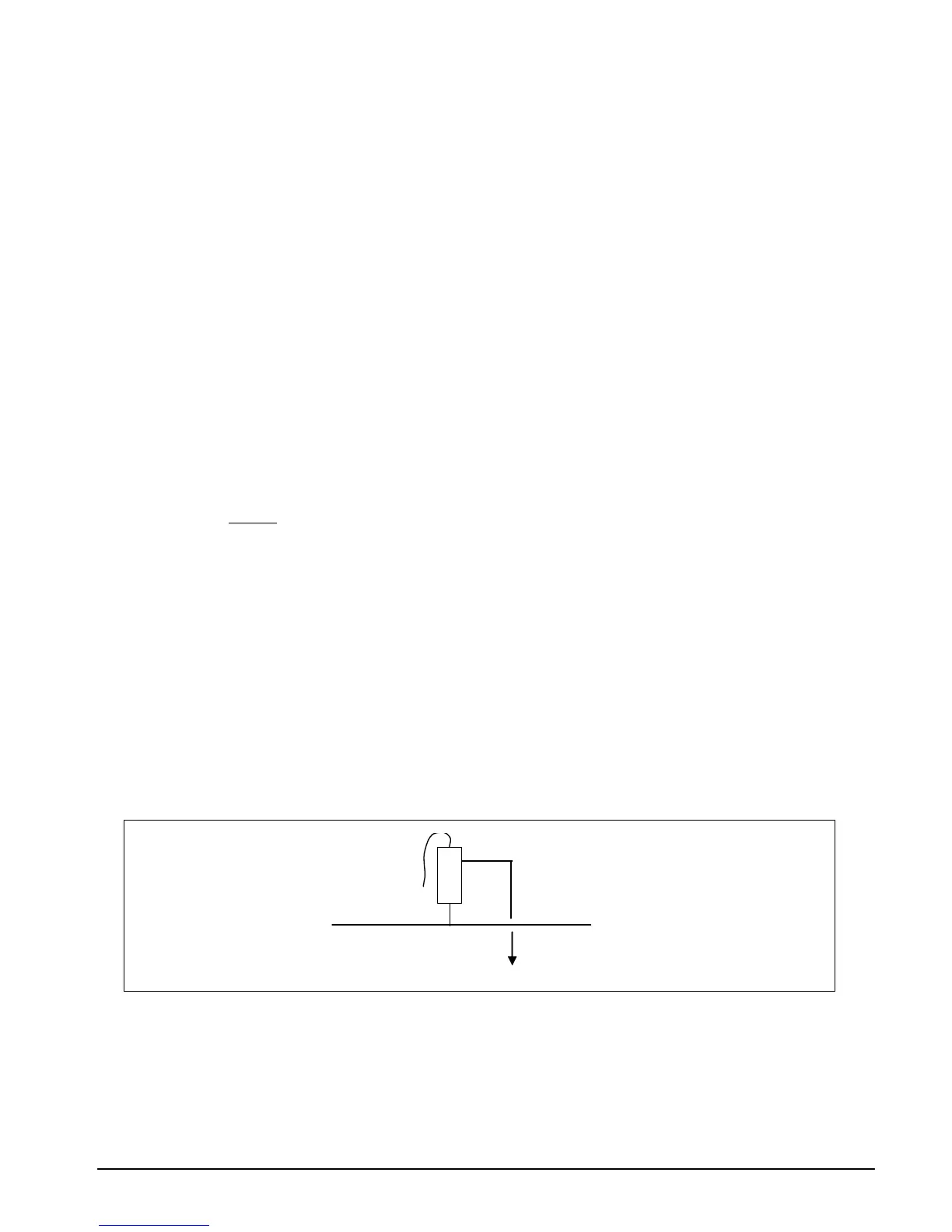
The safety relief valve must exhaust to a suitable drain. Install the drain pipe downwards
from the valve into a drain. Horizontal drain pipes can cause injury due to the spitting of hot
water.
safety
valve
Piping
Downwards to drain
The safety valve is usually installed at the highest point of the pipe system and/or near the
waterwaer make-up connection.
Section 10 Page 117


 To Next Page