Theories of Operation and Functional Descriptions
Introduction to the Instrument
11
Theories of Operation and Functional Descriptions
The theories of operation and functional descriptions are presented in three sections:
Section 1 Monitor Description
• M3046A Monitor Theory of Operation
• Functional Description of the Monitor Hardware
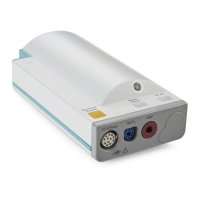
Section 2 M3001A/M3000A Measurement Server Description and Features
• Measurement Server Theory of Operation
• Functional Description of the Measurement Server Hardware
• Electrocardiogram/Respiration (ECG/Resp) Measurement
• Non-invasive Blood Pressure (NBP) Measurement
• Arterial Oxygen Saturation and Pleth (SpO2/PLETH) Measurement
• Temperature and Invasive Blood Pressure (Temp/Press) measurement
Section 3 Measurement Server Extensions Description and Features
• M3015A Measurement Server Extension Theory of Operation
• Functional Description of the M3015A Measurement Server Extension
Hardware
• Sidestream CO2 Measurement
• M3016A Measurement Server Extension Theory of Operation
• Functional Description of the M3016A Measurement Server Extension
Hardware
• Mainstream CO2 Measurement
Section 1 - Monitor Description
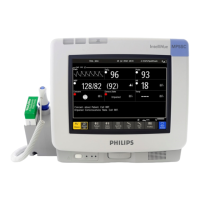
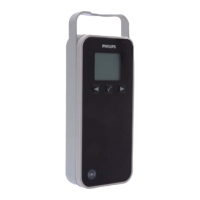
The M3046A Patient Monitor is a small size, lightweight monitor with a TouchBar human
interface. The monitor has a color display with a wide viewing angle, and excellent visibility
from a distance, so that data can easily be recognized. For applications where a larger display
is required, an additional display can be connected to the monitor via the standard VGA
output.
Trend data, and manual and automatic event storage, together with a range of report styles are
available for tracking and documenting the patient’s progress.
The Monitor receives the processed data from the Measurement Server and the Measurement
Server Extension, examines it for alarm conditions, and displays it. The Monitor also
provides operating controls for the user, and interfaces to other devices.





 To Next Page