.
+
I
8 \
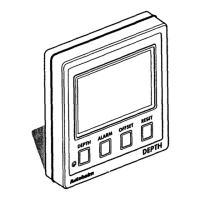
ST50 Plus Depth Operation and Installation Handbook
1.6 Ring Connection
Chapter 2: Transducer Installation
Installations with large numbers of instruments on a SeaTalk bus may require
a second ringmain connection to the power supply breaker to prevent
excessive voltage drops. Refer to the foflowing list to determine whether a
second ring main is necessary.
Cable run upto 10m (3%)
Single connection: 13 instruments maximum
Second connection: 26 instruments maximum
Cable run
upto
20m (66ft)
Single connection:
7 instruments maximum
Second connection: 13 instruments maximum
The second ringmain should be connected to the spare lead on the last
instrument in the chain and directed back to the circuit breaker.
2.1 Connection to the Control Head
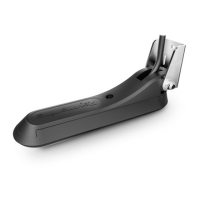
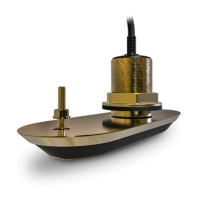
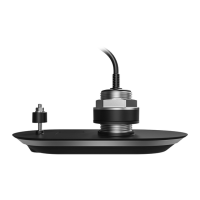
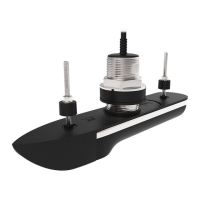
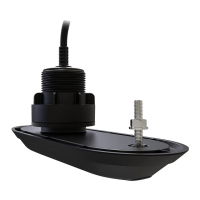
The depth transducer is supplied, as standard, with a through hull
fling
and
14m
(45ftI
of cable. The cable is equipped with a SeaTalk connector that
plugs into a control head connector.
1.7 Connection to SeaTalk Compatible Autopilots
If the installation includes a SeaTalk compatible Autopilot the
ST50
instru
ments may be connected to the SeaTalk bus at any point. No independent
connection to the 12V power supply is necessary as the instruments receive
power from the Autopilot course computer.
To autopilot
SeaTalk BUS
Connection
To any further
ST50 Instruments
or Autopilot
Control Units
“,,u-
Chapter 2: Transducer
installation
2.2 Transducer Selection
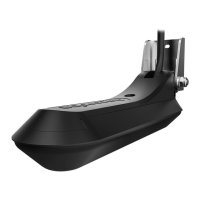
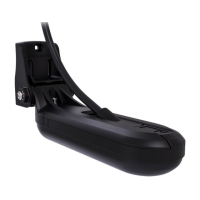
The type of depth transducer used is governed by the hull material. The
following list shows the appropriate transducer for hull type.
Transducer Type
Hull Material
ZO91 Through Hull Plastic: GRP (Glass Reinforced
Plastic),
Steel and
Aluminium
Z118
Through Hull Bronze:
2120 Retractable througb
hull:
Wocd
GRP (Glass Reinforced Plastic), Steel and
Aluminium
2.3 Transducer Installation
All
depth transducers are supplied with detailed installation and maintenance
instructions.
These instructions, together with the following notes, should be read
thoroughly before attempting to install the transducer.



 To Next Page