108
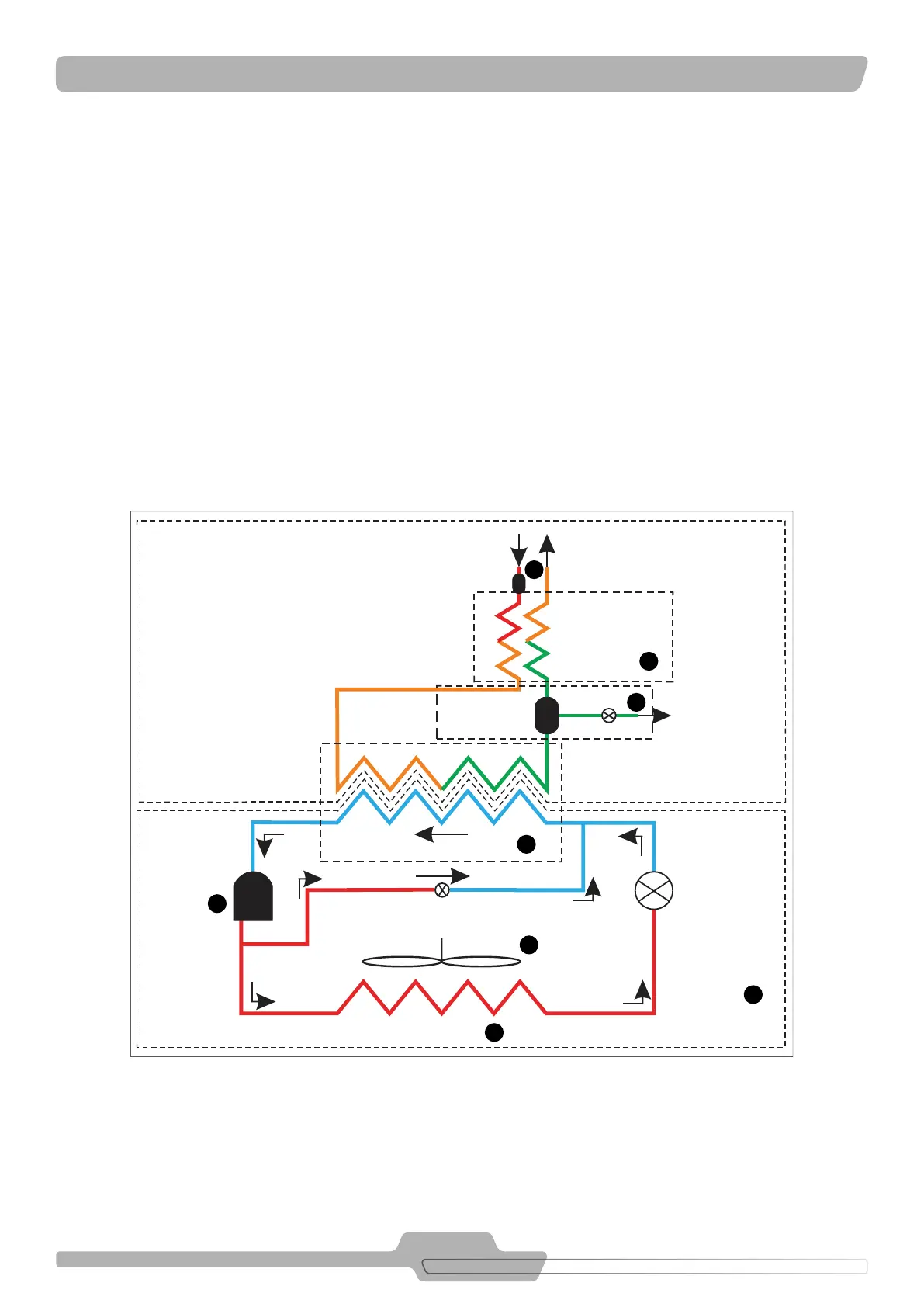
FIGURE 10.1 - REFRIGERATION AND PNEUMATIC CIRCUIT FOR SRS LINE - AIR DRYERS
1. SRS - Air Dryer
The SRS - Air Dryer operation removes the condensate and the humidity contained in the compressed air. The presence of water
in a liquid state in a compressed air network causes oxidation of the metallic components, as well as wear and tear on moving
parts, as the water washes the surfaces and removes lubricants. The water also harms pneumatic tools and any other industrial
process where quality is required in compressed air.
2. The machine operates as follows:
The SRS - Air Dryer removes humidity from the air by way of a refrigeration system. Humidity is removed through the cooling
of compressed air using a heat exchanger and the water is the by-product from this process. A temporized separator and drain
are used to conclude the process (1).
The compressed air process is done in two steps:
- First, a pre-cooling is done in the hear exchanger between the hot and humid air which enters and the dry and the discharged
cold air which leaves (2).
- The second step employs a refrigerant and damp air exchanger (3). The thermal exchange occurs until the temperature is
around the same as the refrigerant fluid. Due to the low temperature, the excess humidity present in the compressed air con-
denses. This happens as the dew point or water condensation temperature is reached. Within the heat exchanger the air is al-
ready dry and then reheated through thermal contact with the humid air and incoming air. This exchange allows for pre-cooling
the air which enters the dryer and slight warming of the compressed air. Now the air is dry and returns to the compressed air
consumption line.
The SRS - Air Dryer refrigeration system is equipped with a hermetic compressor (4), which draws the refrigerant fluid in the gaseous phase
from the evaporator (3), where a thermal exchange between the humid air and the refrigerant fluid occurs. The heat is absorbed from the
compressed air in the evaporator, condensed water vapor contained in the air. The refrigerant fluid is compressed when it passes through
the hermetic compressor, thereby raising the pressure and temperature. Following that, it flow enters the condenser (5), with a fan (6)
responsible for the air circulation cooling among the pipes and fins for cooling the refrigerant fluid. After the cooling phase, it flows through
the expansion device (7), located at the inlet of the evaporator to make the refrigerant fluid lower the pressure and temperature to restart
the cycle again.
PNEUMATIC CIRCUIT
REFRIGERATION CIRCUIT
Hermetic
Compressor
Outlet of dry
compressed air
Condensate
outlet
Condenser
Expansion device
(capillary tube or
thermostatic
valve)
Condensate
separator
Drain
Evaporator
Bypass system
Fan
Inlet of humid
Compressed air
pré-filtrer
Pre-exchanger
1
3
4
8
5
7
6
2
10. PRINCIPLE OF OPERATION



 To Next Page