2 - 4 QuickCollect
User Manual
Machine Health Monitoring
Vibration
Most machinery problems cause excessive vibration. Mechanical looseness, imbalance,
soft foundation, misalignment, rotor bow, bearing wear, gear defects, or lost rotor
vanes can all be detected using vibration measurements.
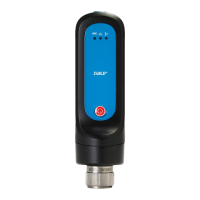
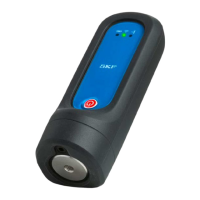
The QuickCollect sensor is capable of performing two vibration measurements and the
temperature measurement simultaneously. When performing measurements, the
sensor’s vibration input signal is processed to produce two very meaningful vibration
measurements for each measurement point.
Velocity – Vibration velocity is considered the “general purpose” vibration
measurement for detecting machinery problems. This is because most machinery
problems generate low to mid-frequency sinusoidal-type vibration signals
(problems such as imbalance, misalignment, bent shaft and looseness), and velocity
measurements focus on detecting sinusoidal vibration signals occurring in this
frequency range. ISO standards provide general guidelines for vibration severity
using velocity criteria.
Enveloped acceleration – Rolling element bearing faults cause low-amplitude
impulsive -type vibration signals at a regular rate of repetition. When monitored
using velocity measurements, these low-energy impulsive signals are typically lost
in surrounding machinery vibration noise caused by imbalance, misalignment,
looseness, etc. Enveloped acceleration measurements filter out surrounding
machine vibration noise and enhance the impulsive nature of repetitive rolling
element bearing or gear fault vibration signals, allowing much earlier and accurate
bearing fault detection. Not used for overall machine vibration monitoring,
enveloped acceleration measurements ensure consistent early detection of bearing
and gear-type defects.


 To Next Page