EasyManua.ls Logo

Smart Meter iGlucose Essential - User Manual

Smart Meter iGlucose Essential
35 pages
Print Icon
To Next Page IconTo Next Page
Loading...
Blood Glucose Meter
User Manual
Question and Answer IconNeed help?

Do you have a question about the Smart Meter iGlucose Essential and is the answer not in the manual?

Summary

Understanding Your Testing Tools

Your System Overview

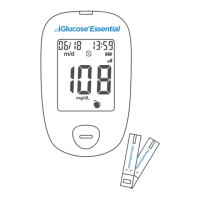
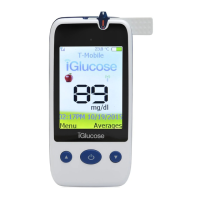
Details the components and features of the iGlucose Essential blood glucose meter.

Your Meter Display

Explains the various icons and symbols shown on the meter's display screen.

Meter Use and Precautions

Provides guidelines and safety warnings for operating the glucose meter.

Important Safety Information

Highlights critical safety instructions for using the blood glucose meter.

Limitations

Outlines the conditions and user groups for which the meter is not intended.

Setting Up Your System

Set the Date and Time

Guides users through setting the correct date and time on the glucose meter.

Set the Audio Feature

Instructions on how to enable or disable audio feedback on the meter.

Set the Meal Marker

Explains how to use the meal marker function to tag test results.

Set the Hypoglycemia (Hypo) Warning

Details how to configure the low glucose warning alert on the meter.

Set the Ketone Warning

Describes the ketone warning feature and its recommendation for ketone testing.

Performing a Test

Preparing the Test Strip

Step-by-step guide on how to prepare and insert a test strip into the meter.

Preparing the Lancing Device

Instructions on how to load and adjust the lancing device for blood sampling.

Getting a Blood Drop for Testing

Guides on obtaining a blood sample from the fingertip for testing.

Discarding the Used Test Strip

Procedure for safely ejecting and disposing of used test strips.

Removing the Used Lancet

Instructions on how to safely remove and dispose of a used lancet.

Expected Glucose Range for People without Diabetes

Provides normal blood glucose ranges for individuals without diabetes.

Maintenance and Troubleshooting

Charging the Battery

Guide on how to charge the meter's battery using USB or AC adapter.

Caring for Your Glucose Monitoring System

General advice on maintaining the meter and test strips to ensure proper function.

Cleaning and Disinfection

Step-by-step instructions for cleaning and disinfecting the glucose meter.

Troubleshooting Guide

HI;LO Result Display

Explains what 'HI' and 'LO' readings mean and actions to take.

Error Code E1

Addresses the error code E1, indicating solution applied before testing.

Error Code E2

Addresses the error code E2, indicating a used or contaminated test strip.

Error Code E3

Addresses the error code E3, indicating an incorrect test strip.

Error Code E4

Addresses the error code E4, indicating an incorrect sample.

Error Code E5

Addresses the error code E5, indicating the temperature is out of range.

Error Code E6;E7

Addresses error codes E6 and E7, indicating a potential hardware error.

Error Code E8

Addresses error code E8, indicating strip inserted during charging.

Error Code E10

Addresses error code E10, indicating insufficient sample volume.

Error Code E11

Addresses error code E11, indicating the battery is running out.

Data Not Transmitted

Troubleshooting steps for when data transmission fails.

No Signal

Troubleshooting steps for when the meter has no signal.

Technical Information

System Specifications

Lists the technical features and specifications of the iGlucose Essential meter.

4 G Specifications

Details the specifications related to the 4G connectivity of the meter.

Warranty

Information regarding the product warranty and how to register it.

EMC Guidance

Provides guidelines on electromagnetic compatibility and usage near medical equipment.

RF Exposure Compliance

Details compliance with FCC RF exposure limits and SAR information.

Summary

Understanding Your Testing Tools

Your System Overview

Details the components and features of the iGlucose Essential blood glucose meter.

Your Meter Display

Explains the various icons and symbols shown on the meter's display screen.

Meter Use and Precautions

Provides guidelines and safety warnings for operating the glucose meter.

Important Safety Information

Highlights critical safety instructions for using the blood glucose meter.

Limitations

Outlines the conditions and user groups for which the meter is not intended.

Setting Up Your System

Set the Date and Time

Guides users through setting the correct date and time on the glucose meter.

Set the Audio Feature

Instructions on how to enable or disable audio feedback on the meter.

Set the Meal Marker

Explains how to use the meal marker function to tag test results.

Set the Hypoglycemia (Hypo) Warning

Details how to configure the low glucose warning alert on the meter.

Set the Ketone Warning

Describes the ketone warning feature and its recommendation for ketone testing.

Performing a Test

Preparing the Test Strip

Step-by-step guide on how to prepare and insert a test strip into the meter.

Preparing the Lancing Device

Instructions on how to load and adjust the lancing device for blood sampling.

Getting a Blood Drop for Testing

Guides on obtaining a blood sample from the fingertip for testing.

Discarding the Used Test Strip

Procedure for safely ejecting and disposing of used test strips.

Removing the Used Lancet

Instructions on how to safely remove and dispose of a used lancet.

Expected Glucose Range for People without Diabetes

Provides normal blood glucose ranges for individuals without diabetes.

Maintenance and Troubleshooting

Charging the Battery

Guide on how to charge the meter's battery using USB or AC adapter.

Caring for Your Glucose Monitoring System

General advice on maintaining the meter and test strips to ensure proper function.

Cleaning and Disinfection

Step-by-step instructions for cleaning and disinfecting the glucose meter.

Troubleshooting Guide

HI;LO Result Display

Explains what 'HI' and 'LO' readings mean and actions to take.

Error Code E1

Addresses the error code E1, indicating solution applied before testing.

Error Code E2

Addresses the error code E2, indicating a used or contaminated test strip.

Error Code E3

Addresses the error code E3, indicating an incorrect test strip.

Error Code E4

Addresses the error code E4, indicating an incorrect sample.

Error Code E5

Addresses the error code E5, indicating the temperature is out of range.

Error Code E6;E7

Addresses error codes E6 and E7, indicating a potential hardware error.

Error Code E8

Addresses error code E8, indicating strip inserted during charging.

Error Code E10

Addresses error code E10, indicating insufficient sample volume.

Error Code E11

Addresses error code E11, indicating the battery is running out.

Data Not Transmitted

Troubleshooting steps for when data transmission fails.

No Signal

Troubleshooting steps for when the meter has no signal.

Technical Information

System Specifications

Lists the technical features and specifications of the iGlucose Essential meter.

4 G Specifications

Details the specifications related to the 4G connectivity of the meter.

Warranty

Information regarding the product warranty and how to register it.

EMC Guidance

Provides guidelines on electromagnetic compatibility and usage near medical equipment.

RF Exposure Compliance

Details compliance with FCC RF exposure limits and SAR information.

Smart Meter iGlucose Essential Specifications

General IconGeneral
Device TypeBlood Glucose Meter
ConnectivityBluetooth
DisplayLCD
Memory300 test results with date and time
Test Time5 seconds
Battery Life1000 tests
Operating Humidity10-90% RH
Dimensions22 mm (H)
Measurement Range20-600 mg/dL
Operating Temperature10-40°C

Related product manuals