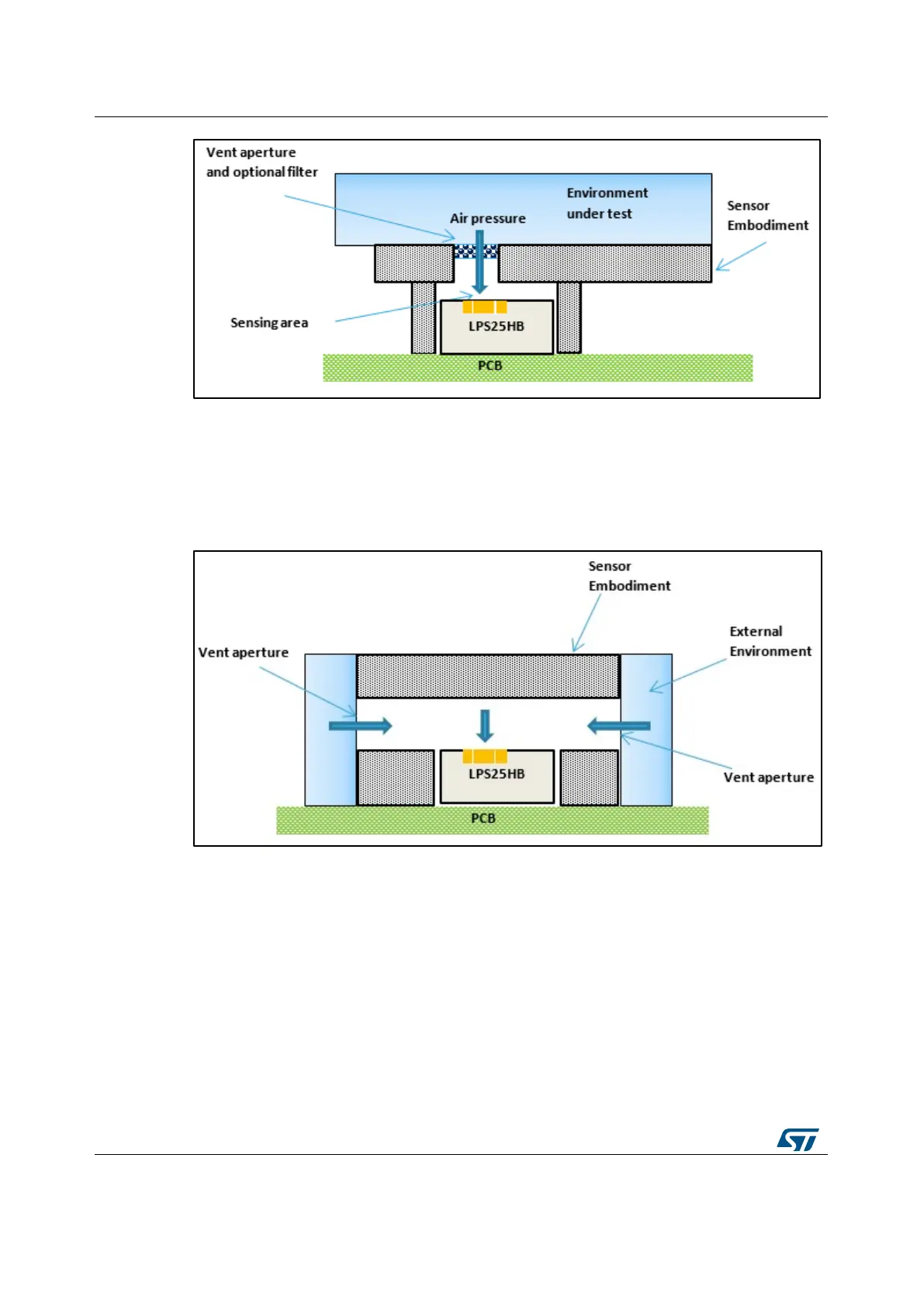
Figure 2: Pressure sensor integration and embodiment reference
A different implementation , more expensive but more efficient in terms of sensing
performances is the design with an air flow structure, described in Figure 3: "Pressure
sensor integration and embodiment with vent channel". The design with multiple vent
apertures is a more expensive solution, but providing , depending on the design
specifications, a faster response time.
Figure 3: Pressure sensor integration and embodiment with vent channel
It is useful to underline that the sensor can work properly even if it is placed in customer's
application system without considering any dedicated hole (vent aperture) unless that one
is not hermetically sealed. The design guidelines reported above are for getting out top
performances.
2.1.2 Heat propagation
The presence of heating sources near the sensor can deteriorate the performances by
modifying pressure and temperature measurement as well as generating thermal gradients
around the sensing area affecting the correct measurement in static and dynamic
conditions.
We report design guidelines for avoiding this effect, but, we remark that the increasing
temperature impacts on performances and is strongly attenuated by the embedded
temperature compensation of LPS22HB and LPS25HB devices.



 To Next Page