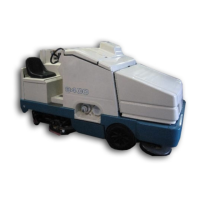
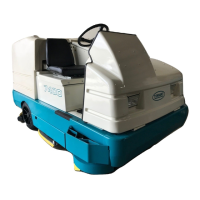
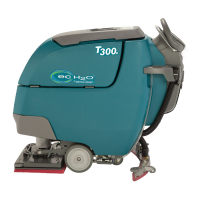
The Tennant 8410 is a robust industrial cleaning machine designed for comprehensive maintenance of large areas, combining sweeping and scrubbing functionalities into a single, efficient unit. This service manual outlines the procedures for its disassembly, reassembly, and ongoing maintenance, ensuring the machine operates at peak performance and extends its service life. The design emphasizes durability and ease of service, making it a valuable asset for facilities requiring rigorous cleaning protocols.
Function Description
The primary function of the Tennant 8410 is to provide a thorough cleaning solution for industrial and commercial environments. It is engineered to sweep and scrub simultaneously, effectively removing debris and deep-seated dirt from various floor surfaces. The machine is particularly suited for environments where both dry particulate removal and wet cleaning are necessary, such as warehouses, manufacturing plants, and large commercial spaces.
The sweeping component of the 8410 is designed to collect loose debris, dust, and other particulates. This is achieved through a system that typically includes a main broom and side brushes, which sweep material into a hopper for easy disposal. The effectiveness of the sweeping function is crucial for preparing the surface for the subsequent scrubbing process, preventing the scrubbing solution from becoming excessively contaminated with large debris.
Following the sweeping action, the scrubbing component engages to apply a cleaning solution, agitate the surface with brushes, and then recover the dirty water. This process ensures a deep clean, removing grime, stains, and other contaminants that sweeping alone cannot address. The machine's ability to perform both tasks in a single pass significantly reduces cleaning time and labor costs, making it a highly efficient solution for maintaining cleanliness standards.
The Tennant 8410 is equipped with various systems that support its core functions, including a robust hydraulic system for power and control, an electrical system for operational controls and diagnostics, and an engine (available in G/LPG or Diesel variants) to provide the necessary power. These integrated systems work in concert to deliver reliable and consistent cleaning performance.
Usage Features
The Tennant 8410 is designed for intuitive operation, though proper training and adherence to the operator manual are essential for safe and effective use. Before operation, operators must ensure the machine is in proper working condition, checking for leaks, verifying the functionality of safety devices, and confirming that brakes and steering operate correctly. The machine is not intended for use on public roads and should only be operated in areas for which it is designed, avoiding flammable or explosive environments unless specifically configured for such conditions.
Starting the machine involves specific steps, including keeping a foot on the brake and ensuring the directional pedal is in neutral. During operation, operators are advised to use brakes to stop the machine, proceed slowly on inclines and slippery surfaces, and exercise caution when reversing. When the hopper is raised, particular care is required to ensure adequate clearance and stability. The machine is designed for single-operator use and should not carry passengers. Adherence to safety and traffic rules, along with prompt reporting of any damage or faulty operation, is critical for safe usage.
The machine's design incorporates features that enhance its usability in various cleaning scenarios. For instance, the ability to adjust brush pressure and solution flow allows operators to tailor the cleaning intensity to different floor types and levels of soiling. The hopper system is designed for efficient debris collection and disposal, minimizing downtime during cleaning cycles. The ergonomic design of the operator's station aims to reduce fatigue during extended periods of use, contributing to overall productivity.
Maintenance Features
Maintenance is a critical aspect of ensuring the longevity and optimal performance of the Tennant 8410. The service manual provides detailed instructions for various maintenance tasks, categorized into major groups: General Information, Chassis, Sweeping, Scrubbing, Electrical, Hydraulics, Engine-G/LPG, and Engine-D. Regular maintenance, as outlined in the provided charts, is essential to prevent breakdowns and ensure continuous operation.
General maintenance includes routine checks such as machine transport, jacking, storage procedures, and adherence to a comprehensive maintenance chart. These foundational tasks help maintain the machine's overall integrity and readiness.
Chassis maintenance covers critical components like tire/wheel replacement, brake adjustment and replacement, chassis lubrication, and steering adjustment. Proper upkeep of the chassis ensures safe movement and control of the machine.
For the sweeping system, maintenance involves hopper repair/replacement, brush repair/replacement, and skirt/seal repair/replacement. Addressing these components regularly ensures efficient debris collection and prevents scattering of material.
Scrubbing system maintenance focuses on scrubber head repair/replacement, brush repair/replacement, and squeegee repair/replacement. These tasks are vital for effective application and recovery of cleaning solutions, directly impacting cleaning quality.
Electrical system maintenance includes battery maintenance and replacement, instrument panel replacement, and general electrical troubleshooting. A well-maintained electrical system ensures all controls and safety features function correctly.
Hydraulic system maintenance involves valve replacement, cylinder replacement/repair, and pump replacement/repair. The hydraulic system is crucial for powering various machine functions, and its proper functioning is paramount.
Engine maintenance, specific to G/LPG and Diesel variants, includes air filter replacement, oil changing, cooling system maintenance/repair, fuel system maintenance/repair, and governor adjustment/repair. Regular engine service is essential for power delivery, fuel efficiency, and emissions control. The manual also provides guidance on engine troubleshooting to diagnose and resolve common issues.
The manual emphasizes the importance of using appropriate hardware, providing standard and metric bolt torque charts, bolt identification guidelines, and information on thread sealant and locking compounds. Hydraulic fitting information, including tapered pipe and JIC fitting torque charts, is also provided to ensure secure and leak-free connections. These detailed specifications are crucial for technicians performing repairs and replacements, ensuring that components are correctly installed and tightened to prevent failures.
Safety precautions are integrated throughout the maintenance procedures, warning against potential hazards such as toxic engine gases, moving parts, and flammable materials. The use of proper ventilation, engagement of safety support bars, and adherence to lockout/tagout procedures are implied to protect maintenance personnel. The manual also includes a California Proposition 65 warning regarding engine exhaust, highlighting the importance of adequate ventilation during operation and maintenance.
Overall, the Tennant 8410 is designed with serviceability in mind, providing comprehensive documentation to support its maintenance. This structured approach to service ensures that the machine remains a reliable and high-performing cleaning solution throughout its operational life.


 To Next Page

 General