32
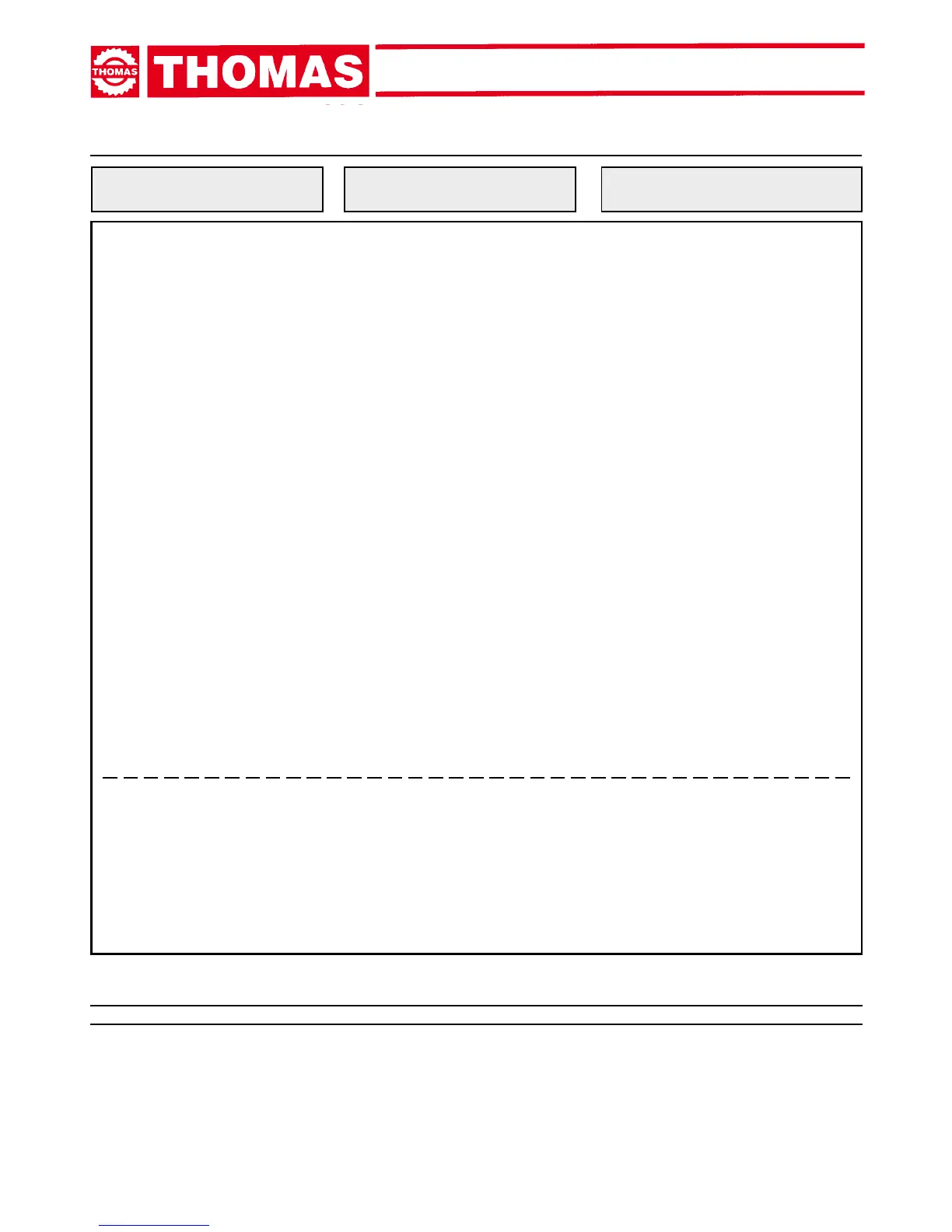
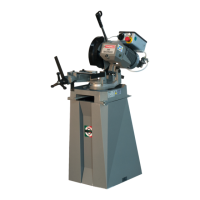
ZIP 22
FAULT PROBABLE CAUSE REMEDY
12.2 - Electrical components diagnosis
Check: - phases
- cables
- socket
- plug
Voltage must arrive upstream from the
fuses (terminal board).
Checkelectricalefciencyandcheckfor
shorts that trigger such protections.
Check closing of the flywheel guard.
Checktheefciencyofthedevice;replace
it if damaged.
It must be turned to position 1 or 2.
Ensure that it is off and that its contacts
are unbroken.
Check mechanical efciency; replace if
damaged.
Check that thermal relay protecting band
motor is correctly cennected.
Check that the supply voltage is the same
as the line voltage and that it gives a value
of 24 V at output.
Check fuse efciency and ensure there
are no short circuits causing the protection
to trip.
Checkoperationand/orefciency;replace
if broken.
Check that phases are present at both
input and output; ensure that it is not
blocked, that it closes when fed, that it
doesnotcauseshortcircuits;otherwise
change it.
Check that it is not burnt and that it turns
freely.
It may be rewound or changed.
Power supply
Fuses
FU 1
MACHINE DOES NOT WORK
MOTOR STOPPED WITH PILOT LIGHT
HL
13
NOISE TESTS
In accordance with point 1.7.4.f of the Machines Directive EEC 98/37
2 measurements with the machine operating unloaded.
- The microphone was been located close to the operator's head, at medium height.
- The weighted equivalent continuous acoustic pressure level was 68,1 dB (A).
- The maximum level of the WEIGHTED instantaneous acoustic pressure C was always less than 130 dB.
NOTE: with the machine operating, the noise level will vary according to the different materials being processed. The user must there-
fore assess the intensity and if necessary provide the operators with the necessary personal protection, as required by Law 277/1991.


 To Next Page