SARA-G3 and SARA-U2 series - System Integration Manual
UBX-13000995 - R26 System description
Page 40 of 217
1.6.2.2 Switch-off sequence by AT+CPWROFF
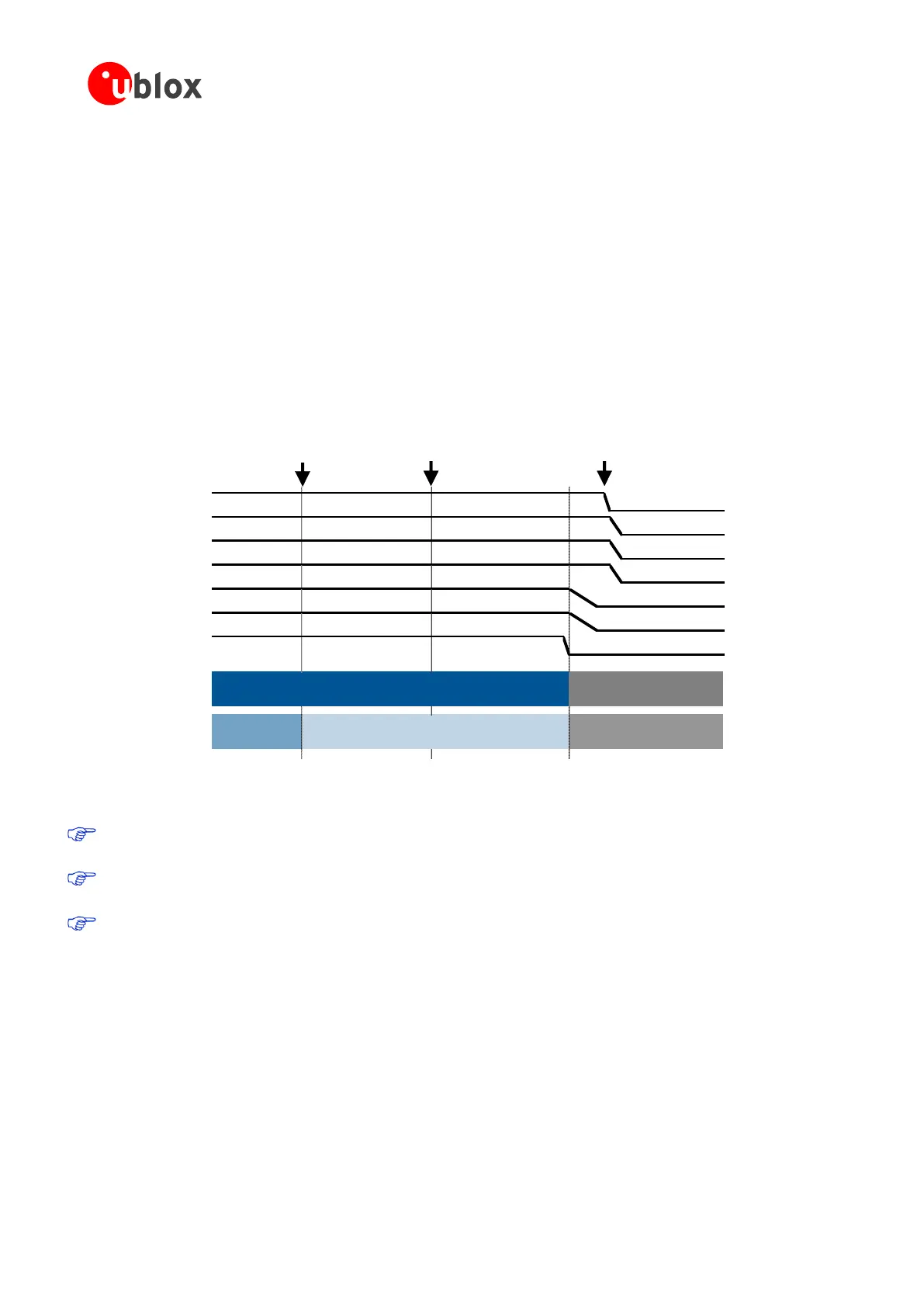
Figure 23 describes the SARA-G3 and SARA-U2 series modules power-off sequence, properly started sending the
AT+CPWROFF command, allowing storage of the current parameter settings in the module’s non-volatile
memory and a proper network detach, with the following phases:
When the +CPWROFF AT command is sent, the module starts the switch-off routine.
The module replies OK on the AT interface: the switch-off routine is in progress.
At the end of the switch-off routine, all the digital pins are tri-stated and all the internal voltage regulators
are turned off, including the generic digital interfaces supply (V_INT), except the RTC supply (V_BCKP).
Then, the module remains in power-off mode as long as a switch-on event does not occur (e.g. applying a
proper low level to the PWR_ON input, or applying a proper low level to the RESET_N input), and enters
not-powered mode if the supply is removed from the VCC pins.
VCC
V_BCKP
PWR_ON
SARA-U2 RESET_N
V_INT
SARA-G3 RESET_N
Internal Reset
System State
Digital Pins State Operational
AT+CPWROFF
sent to the module
Figure 23: SARA-G3 and SARA-U2 series power-off sequence description
The Internal Reset signal is not available on a module pin, but the application can monitor the V_INT pin
to sense the end of the SARA-G3 and SARA-U2 series power-off sequence.
The VCC supply can be removed only after the end of the module internal switch-off routine, i.e. only
after that the V_INT voltage level has gone low.
The duration of each phase in the SARA-G3 and SARA-U2 series modules’ switch-off routines can largely
vary depending on the application / network settings and the concurrent module activities.



 To Next Page
 Loading...