4.Advanced User Guidebook
Vtop: Voltage of the waveform's flat top, useful for square/pulse waveforms.
Vbase: Voltage of the waveform's flat base, useful for square/pulse waveforms.
Vamp: Voltage between Vtop and Vbase of a waveform.
OverShoot: Defined as (Vmax-Vtop)/Vamp, useful for square and pulse
waveforms.
PreShoot: Defined as (Vmin-Vbase)/Vamp, useful for square and pulse
waveforms.
Cycle RMS: The true Root Mean Square voltage over the first entire period of
the waveform.
Cursor RMS: The true Root Mean Square voltage over the range of two cursors.
The automatic measurement of time parameters
The oscilloscopes provide time parameters auto-measurements include Period,
Frequency, Rise Time, Fall Time, +D width, -D width, +Duty, -Duty, Delay
A→B
, Delay A→B , and Duty cycle.
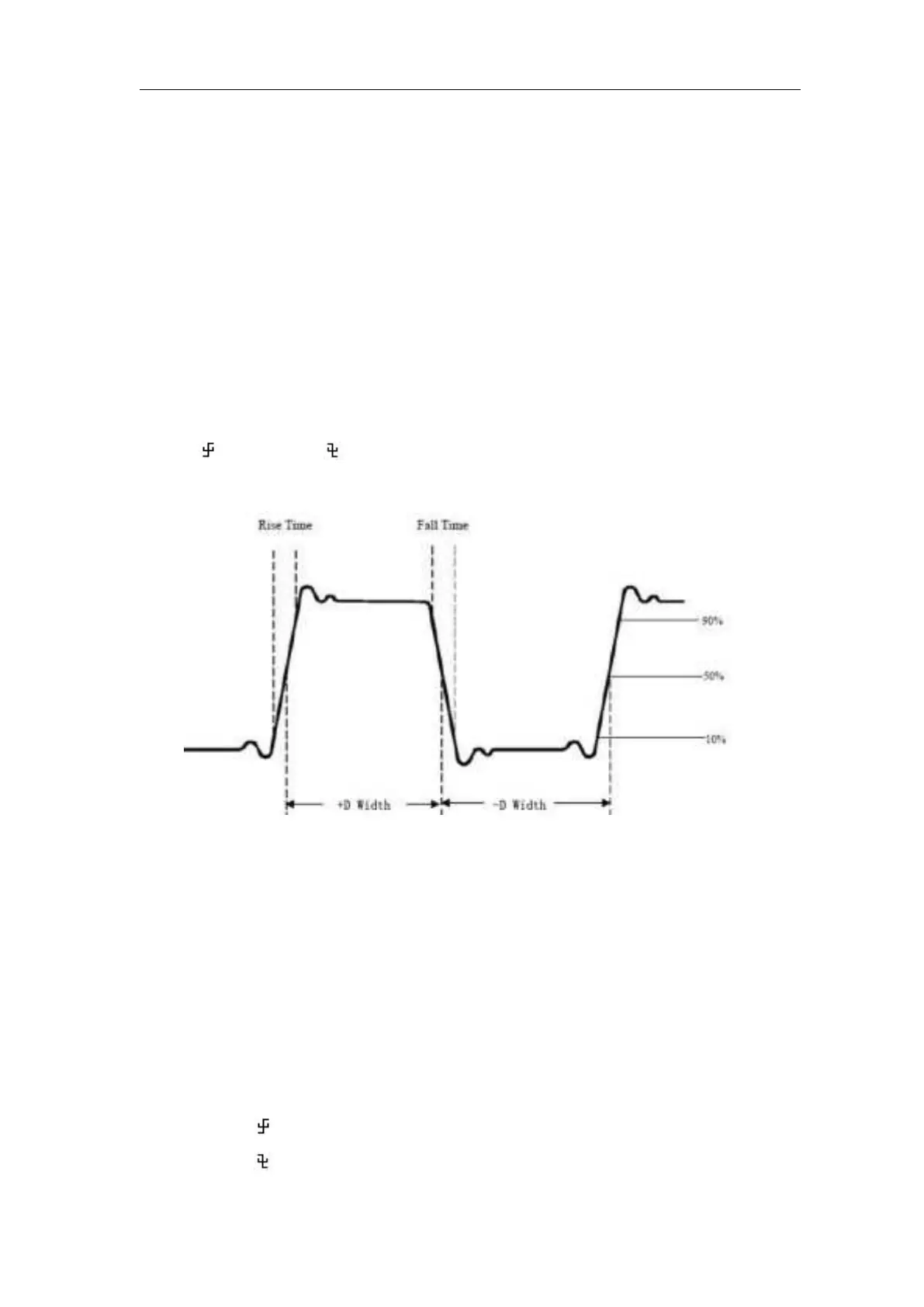
Figure 4- 14 shows a pulse with some of the time measurement points.
Figure 4- 14
Rise Time: Time that the leading edge of the first pulse in the waveform takes
to rise from 10% to 90% of its amplitude.
Fall Time: Time that the falling edge of the first pulse in the waveform takes to
fall from 90% to 10% of its amplitude.
+D width: The width of the first positive pulse in 50% amplitude points.
-D width: The width of the first negative pulse in the 50% amplitude points.
+Duty: +Duty Cycle, defined as +Width/Period.
-Duty:-Duty Cycle, defined as -Width/Period.
Delay A→B
: The delay between the two channels at the rising edge.
Delay A→B
: The delay between the two channels at the falling edge.
Screen Duty: Defines as (the width of the positive pulse)/(Entire period)




 To Next Page