CBC Parameters and Associated Indications E-3
E.2 Red Blood Cell Parameters and Associated
Indications
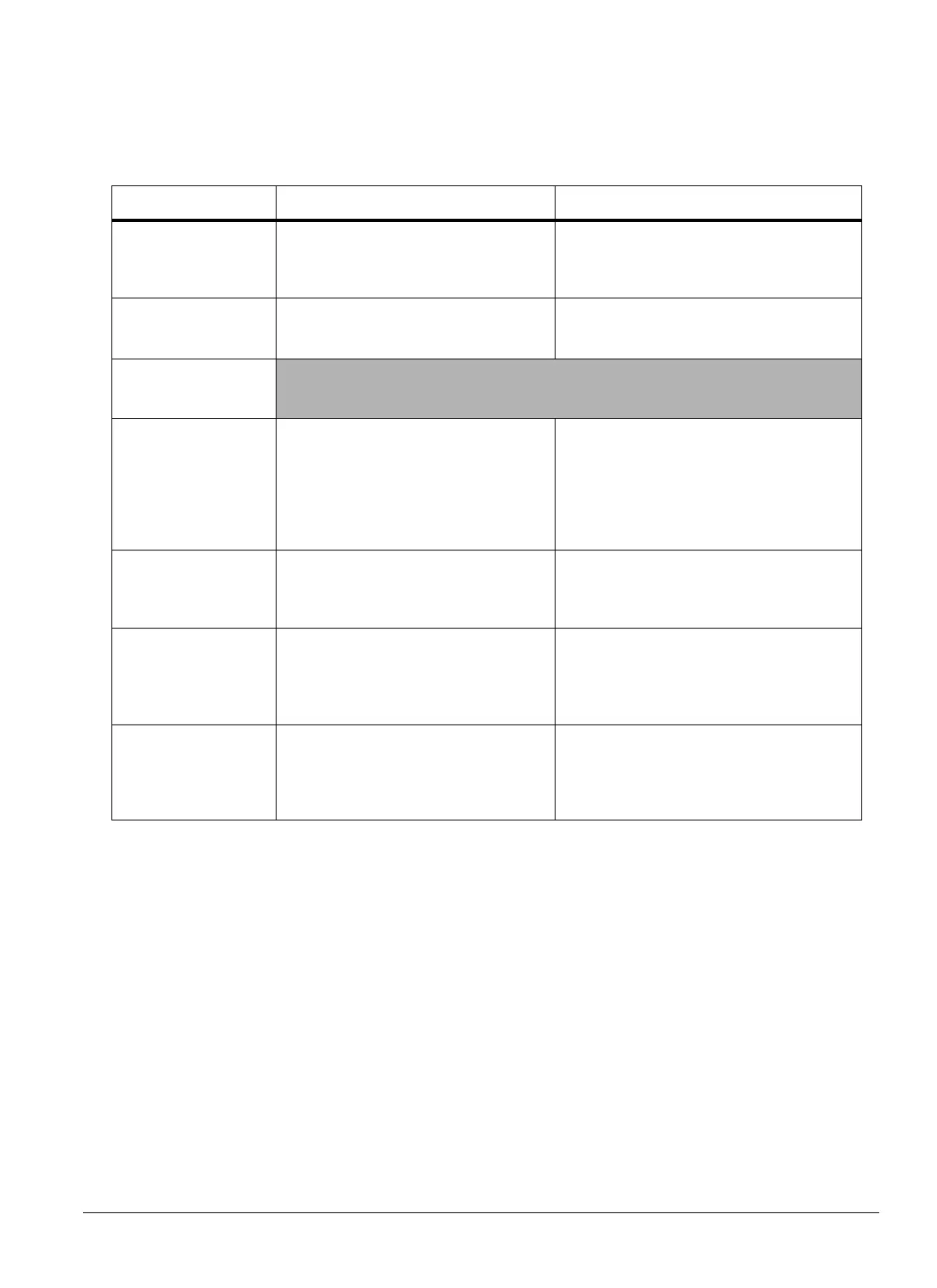
Table E-2: Red Blood Cell Parameters and Associated Indications
Parameter Definition Diagnostic Consideration
Hematocrit (HCT) Percentage of total cellular constituents
(primarily red blood cells) in a unit of
whole blood
Anemia exists when the HCT falls below the
reference range for the species. Hematocrit
will normally have a value of approximately
three times the hemoglobin value.
Hemoglobin (HGB) The oxygen-carrying component of red
blood cells; allows for the calculation of
MCH and MCHC
Hemoglobin normally falls in the range of 1/3
of the hematocrit value.
RBC Indices
Anemia Characteriza-
tion
MCV
Mean Corpuscular Vol-
ume
Measure of the volume of an average
RBC
• Increase: most commonly associated with
reticulocytes/regenerative anemia.
• Decrease: iron-deficiency anemia.
• Normal MCV is consistent with non-regen-
erative anemia, often due to chronic dis-
ease. MCV should always be interpreted in
light of other clinical data.
MCH
Mean Corpuscular
Hemoglobin
Calculated HGB concentration of an aver-
age RBC:
• MCH = (HGB x 10) / RBC (in pico-
grams)
• Increase: most commonly the result of
hemolysis.
• Decrease: hypochromasia common in iron-
deficiency anemia and reticulocytosis.
MCHC
Mean Corpuscular
Hemoglobin
Concentration
Calculated HGB concentration in an aver-
age RBC:
• MCHC = MCH / MCV (in grams of
HGB per 100 ml RBCs)
• In the anemic state, normal MCHC (with
normal MCV) is consistent with non-regen-
erative anemia due to chronic disease.
• Decrease: hypochromasia common in iron-
deficiency anemia and reticulocytosis.
RDW
Red Cell Distribution
Width
Measure of red blood cell anisocytosis
(cell size variation)
• Elevated RDW is typically indicative of
anisocytosis. In the anemic state,
increased RDW with an associated
increase in MCV can indicate increased
levels of immature RBCs.



 To Next Page