EasyManua.ls Logo

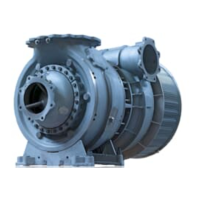
ABB TPS48-D Series - User Manual

ABB TPS48-D Series
132 pages
Print Icon
To Next Page IconTo Next Page
Loading...
Operation Manual
ABB Turbocharging

ABB Turbo Systems Ltd
CH 5401 Baden
Type TPS 52E01 HT842442
n
Mmax
859 t
Mmax
680
n
Bmax
816 t
Bmax
650
1/s °C
SOLD08 00250 12 60 60
Year 2016
made in Switzerland
Application according to
the Operation Manual
kg
HZTL2410 English
TPS 52E01
Original Operation Manual

Table of Contents

Questions and Answers

  • E
    Erica CoxAug 14, 2025
    Why is the exhaust gas temperature too high in my ABB TPS48-D Battery Charger?
    • J
      James ThomasAug 14, 2025
      If the exhaust gas temperature of your ABB Battery Charger is too high, several factors could be responsible. It could be due to a malfunctioning injection system, which should be repaired, or air starvation, possibly from a filter silencer clogged with dirt, which should be cleaned. Other potential causes include high exhaust counterpressure, requiring cleaning or repair of the boiler or exhaust silencer, a damaged or eroded turbine (in which case you should contact an ABB Turbocharging Service Station), a contaminated cooler, which needs cleaning, low cooling water volume, which requires topping up, high cooling water entry temperature, necessitating inspection or cleaning of the cooling system, or inadequate ventilation, which calls for improved ventilation.
  • H
    Heather EatonAug 17, 2025
    What to do if there is a reduction in speed of ABB TPS48-D?
    • B
      Brian BurchAug 17, 2025
      If your ABB Battery Charger experiences a reduction in speed, there might be several reasons. It could be due to defects of connected cylinders when pulse charging, which requires contacting the enginebuilder. Another cause might be heavy contamination of the turbine, which requires cleaning. Damaged rotor components or bearing also can cause the problem, and in this case you should contact an ABB Turbocharging Service Station. Finally, defects such as leaks in the exhaust gas pipes or charge air ducts can lead to speed reduction, and these should be repaired.
  • T
    Tara WheelerAug 21, 2025
    Why is the lubricating oil pressure too low in my ABB TPS48-D?
    • M
      Michael ParkerAug 21, 2025
      If the lubricating oil pressure is too low in your ABB Battery Charger, it could be due to several reasons. The oil filter might be heavily contaminated, which means it should be cleaned. Another possibility is a defective oil pump in the lubricating system, which needs to be checked or replaced. The manometer display could be wrong, requiring replacement of the manometer. Alternatively, the rotor axial clearance might be too large, which requires contacting an ABB Turbocharging Service Station.
  • J
    jessicaayersAug 26, 2025
    What causes low charge air pressure in an ABB Battery Charger?
    • A
      anita78Aug 26, 2025
      If the charge air pressure is too low in your ABB Battery Charger, it could be due to a leaking air receiver or gas piping between the engine and the turbine, both of which require repairs. Additionally, a poorly adjusted injection system can cause this issue and needs to be corrected. A poorly adjusted valve control can also lead to low charge air pressure.
  • D
    David SmithAug 29, 2025
    What causes turbocharger surging in ABB TPS48-D Battery Charger?
    • R
      Richard SullivanAug 29, 2025
      If your ABB Battery Charger is surging, the guard in front of the turbocharger might be contaminated or damaged, requiring cleaning or replacement. Alternatively, the filter silencer or diffuser could be contaminated and need cleaning. Another potential cause is a contaminated cooler, which should also be cleaned.
  • T
    Tommy JacksonSep 1, 2025
    Why is the charge air pressure too high in my ABB TPS48-D Battery Charger?
    • L
      laura04Sep 1, 2025
      If the charge air pressure is too high in your ABB Battery Charger, it could be due to a malfunctioning or poorly adjusted injection system, which needs to be repaired or corrected. Another possible reason is that the engine performance is higher than expected, which warrants checking the engine performance.
  • A
    asalasSep 5, 2025
    How to fix sluggish start-up on ABB TPS48-D?
    • D
      Debbie PetersSep 5, 2025
      If your ABB Battery Charger experiences a sluggish start-up, it could be due to a contaminated turbocharger, which should be cleaned. Alternatively, it might be caused by a damaged bearing, in which case you should contact an ABB Turbocharging Service Station.
  • B
    Beth BrownSep 8, 2025
    What to do if ABB TPS48-D has vibrations?
    • L
      Lisa MccoySep 9, 2025
      If you're experiencing vibrations with your ABB Battery Charger, it's likely due to rotor unbalance. In this case, you should contact an ABB Turbocharging Service Station.

Summary

Preliminary Remarks

Purpose of this Manual

Explains the manual's objective and scope for turbocharger familiarity.

Layout and Function

Describes the turbocharger's components and their arrangement.

Intended Use of the Turbocharger

Details the turbocharger's designed application and limitations.

Storage of New Turbochargers and Spare Parts

Provides guidelines for storing new turbochargers and parts.

Essential Information

Covers organizational measures and general operational advice.

Symbols and Definitions

Explains symbols and terms used throughout the manual.

Turbocharger Rating Plate

Details the information found on the turbocharger's rating plate.

Contact Information

Provides contact details for ABB Turbo Systems service.

Safety

Safety Introduction

Introduces residual risks and operator responsibilities for safety.

CE Conformity

States compliance with EU Directive 2006/42/EC on machinery.

Definition of Mandatory Signs

Explains mandatory safety signs and required personal protective equipment.

Definition of Safety Instructions

Defines warning and caution symbols used in the manual.

Warning Plates on the Turbocharger

Identifies the location and handling of warning plates.

Safe Operation and Maintenance

Outlines safety practices for operation, work area, and welding.

Hazards During Operation and Maintenance

Details mechanical hazards, noise, hot surfaces, and substances.

Deflagration on Gas Engines

Addresses turbocharger tolerance and checks after a deflagration event.

Periodic Checking of the Pressure Vessel

Emphasizes statutory regulations for pressure vessel checks.

Lifting Loads Safety

Covers safety precautions for lifting turbocharger assemblies.

Commissioning

Oil Supply

Details requirements for oil supply, filtration, viscosity, and pressure.

Inspection Work

Describes checks before, during, and after start-up and operation.

Commissioning After Taking Out of Operation

Outlines procedures for recommissioning after a period of inactivity.

Operation

Noise Emissions

Discusses noise levels and requirements for insulation.

Servicing Work

Covers service intervals, inspections, and maintenance tasks.

Expected Exchange Intervals

Lists recommended replacement intervals for turbocharger components.

Speed Measurement

Explains the speed measuring system and its components.

Stopping the Engine

Details procedures for stopping oil-cooled and water-cooled versions.

Maintenance

Foreword to Maintenance

Introduces maintenance tasks for ensuring trouble-free functioning.

Cleaning the Compressor During Operation

Describes methods for wet cleaning the compressor while running.

Turbine Cleaning During Operation

Explains procedures for cleaning turbine components during operation.

Cleaning Components Mechanically

Details manual cleaning of filter silencer, absorption segments, and casings.

Troubleshooting

Malfunctions When Starting

Lists possible causes and elimination steps for sluggish start-up and vibrations.

Surging of the Turbocharger

Addresses causes and remedies for turbocharger surging issues.

Malfunctions During Operation

Covers issues like low oil pressure, speed changes, and temperature.

Malfunctions When Stopping

Details noises and run-down time issues during engine shutdown.

Speed Measurement System

Troubleshoots issues with the speed measuring system.

Removal and Installation

Transport

Illustrates methods for suspending turbochargers during transport.

Turbocharger Weights

Provides weight specifications for different turbocharger models.

Remove the Turbocharger

Step-by-step guide for detaching the turbocharger from the engine.

Installing the Turbocharger

Step-by-step guide for mounting the turbocharger onto the engine.

Disassembly and Assembly

Introduction to Disassembly and Assembly

Sets preconditions and safety notes for disassembly work.

Module Weights

Lists weights of individual turbocharger components.

Disassembling and Assembling Turbocharger

Details procedures for removing and reassembling turbocharger parts.

Axial Clearance A and Radial Clearance B

Explains how to measure axial and radial clearances.

Radial Clearances N and R

Details how to measure radial clearances using feeler gauges.

Table of Tightening Torques

Provides torque specifications for various screw fittings.

Taking Out of Operation

Shutting Down the Turbocharger

Describes procedures for shutting down the turbocharger, including cover plate fitting.

Mothballing the Turbocharger

Taking the Engine Out of Operation for up to 12 Months

Details mothballing measures for short-term engine storage.

Taking the Engine Out of Operation for More Than 12 Months

Outlines mothballing procedures for long-term engine storage.

Disposing of Turbocharger Components

Handling Damaged Thermal Insulation

Advises on safe handling and disposal of damaged insulation.

Spare Parts

Ordering Spare Parts

Specifies data needed for ordering spare parts.

View of Turbocharger Showing Part Numbers

Provides a visual breakdown with part numbers.

View of Cartridge Group Showing Part Numbers

Shows part numbers for the cartridge group components.

ABB TPS48-D Series Specifications

General IconGeneral
BrandABB
ModelTPS48-D Series
CategoryBattery Charger
LanguageEnglish

Related product manuals