EasyManua.ls Logo

ABB Terra 124 - User Manual

ABB Terra 124
117 pages
Print Icon
To Next Page IconTo Next Page
Loading...
Description
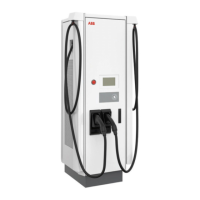
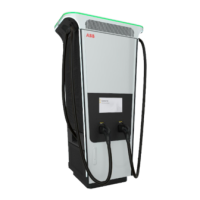
This Terra all-in-one DC fast charger offers power up to 180 kW, with con-
venient charging times for every EV including those with HV batteries.
The compact, modular design makes it perfect for retail, highway or fleet
use, with power sharing to further optimize utilization. All Terra chargers
feature connectivity for remote services and OCPP enablement.
Key Benefits and Features
User friendly control interface allows for PIN or RFID accessibility
OCPP 1.6 standard supports integration into In-Control, In-Charge’s
EVSE management platform
LTE Modem and LAN
TUV Certified
Specifications
180kW or 90 kW x2
Available with Dual CCS1 or CCS1 / CHAdeMO
DIN 70121, ISO 15118 protocols supported
Dimensions: 34.6” (D) X 22.2” (W) X 74.8 x” (H) / 880mm X 565mm X 1900mm
Weight: 395kg / 870lbs
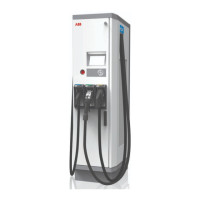
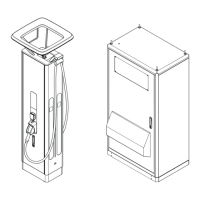
The Terra 184 All-In-One
Ordering Information
Configuration
SKU
Terra 184 Cable Retractor - Dual CCS
ADC-180-480-C1C1-AC1R
Terra 184 Cable Retractor CCS1 & CHAdeMO
ADC-180-480-C1CH-AC1R
Terra 184
All-In-One 90kW DC Fast Charger

Table of Contents

Other manuals for ABB Terra 124

Question and Answer IconNeed help?

Do you have a question about the ABB Terra 124 and is the answer not in the manual?

Summary

Safety

Responsibilities for the owner

Details the owner's legal responsibilities for EVSE safe operation and compliance.

Required qualifications for the installation engineer

Specifies necessary qualifications for safe and correct EVSE installation.

Personal protective equipment

Lists required PPE for safe handling and installation of the EVSE.

Safety instructions during installation

Provides critical safety measures to follow during EVSE installation procedures.

Safety instructions for earthing

Details essential safety procedures for proper EVSE earthing and grounding.

Safety instructions for use

Outlines safety precautions and conditions to avoid when operating the EVSE.

Description

Inspection and transport

Installation

General installation procedure

Provides a comprehensive overview of the EVSE installation process, from site prep to commissioning.

Site preparation

Details the necessary preparation steps for the installation site and surrounding area.

Prepare the site

Steps for preparing the location where the EVSE will be installed.

Control the space and airflow around the cabinet

Ensures adequate space and airflow for the EVSE's cooling and operation.

Prepare the foundation

Outlines methods for preparing the foundation for EVSE installation, including types.

Prepare the foundation - general procedure

General steps for preparing the EVSE foundation, considering surface and rules.

Prepare a casted foundation

Instructions for preparing a casted concrete foundation, including digging and pouring.

Prepare a standard prefabricated foundation

Guidance for preparing a prefabricated foundation for the EVSE.

Mechanical installation

Covers the physical mounting and securing of the EVSE cabinet onto the foundation.

Mechanical installation procedure

Step-by-step process for the mechanical installation of the EVSE cabinet.

Install the cabinet on the foundation

Steps to securely mount the EVSE cabinet onto its prepared foundation.

Electrical installation

Details the wiring and electrical connections for the EVSE, including safety measures.

Electrical installation procedure

Comprehensive guide for performing the electrical installation of the EVSE.

Connect the PE wire

Instructions for connecting the protective earth (PE) wire correctly.

Connect the enclosure to the earth

Procedures for properly earthing the EVSE enclosure for safety.

Connect the AC input wires

Steps for connecting the AC power input wiring to the EVSE.

Prepare for commissioning

Steps to prepare the EVSE and site for initial commissioning and startup.

Operation

Prepare before use

Steps to ensure the EVSE is correctly installed and ready for operation.

Stop the EVSE if there is an emergency

Procedure for emergency shutdown of the EVSE using the emergency stop button.

Reset the EVSE after an emergency

Steps to safely reset the EVSE after an emergency stop event.

Charge session

Details the process of charging an electric vehicle with the EVSE.

Charge an EV

Step-by-step guide to charging an electric vehicle with the EVSE.

Start a charge session

How to initiate an EV charging session via the touchscreen interface.

Stop a charge session

Procedure to terminate an ongoing EV charging session.

Energize the EVSE

Steps to power up the EVSE and prepare it for charging operations.

De-energize the EVSE

Procedures for safely powering down the EVSE, including voltage checks.

De-energize the EVSE - general procedure

General steps to de-energize the EVSE and ensure it is safe.

Maintenance and cleaning

Maintenance schedule

Provides a schedule for regular maintenance tasks for the EVSE.

Clean the cabinet

Instructions for cleaning the exterior of the EVSE cabinet using safe methods.

Do a visual check of the EVSE

Guidance for performing visual inspections on EVSE parts for damage.

Troubleshooting

Troubleshooting procedure

General steps for diagnosing and resolving EVSE issues using the manual.

Troubleshooting table

A table listing common problems, causes, and solutions for EVSE issues.

Technical data

General specifications

Lists general technical specifications, compliance standards, and ratings.

Required tools for installation

Lists the tools needed for EVSE installation, with specifications.

Operating conditions

Specifies environmental and operational conditions for the EVSE.

Communication interface specifications

Technical details for communication interfaces: RFID, network connection, Ethernet.

EVSE power rating

Information on the EVSE's power output capabilities under different duty operations.

EVSE rating during normal duty operation

Power ratings under normal operating conditions for various EVSE models.

EVSE derating during normal duty operation

How power output reduces at higher ambient temperatures.

EVSE rating in heavy duty operation

Power ratings under heavy duty operating conditions for various EVSE models.

EVSE derating in heavy duty operation

Derating information for heavy duty operation based on temperature.

AC input specifications

Technical details regarding the AC power input, including connections and wires.

General AC input specifications

General parameters for AC power input, such as voltage and power factor.

AC input wires

Specifications for AC input wires, including diameter and material.

DC output specifications

Technical details of the DC power output, including voltage and current ratings.

General specifications

General DC output parameters, connection standards, and minimum current.

Terra 94

DC output specifications for the Terra 94 model.

Terra 104

DC output specifications for the Terra 104 model.

Terra 124

DC output specifications for the Terra 124 model.

Maintenance schedule for the service engineer

Maintenance schedule for qualified service engineers, detailing inspection and replacement intervals.

Summary

Safety

Responsibilities for the owner

Details the owner's legal responsibilities for EVSE safe operation and compliance.

Required qualifications for the installation engineer

Specifies necessary qualifications for safe and correct EVSE installation.

Personal protective equipment

Lists required PPE for safe handling and installation of the EVSE.

Safety instructions during installation

Provides critical safety measures to follow during EVSE installation procedures.

Safety instructions for earthing

Details essential safety procedures for proper EVSE earthing and grounding.

Safety instructions for use

Outlines safety precautions and conditions to avoid when operating the EVSE.

Description

Inspection and transport

Installation

General installation procedure

Provides a comprehensive overview of the EVSE installation process, from site prep to commissioning.

Site preparation

Details the necessary preparation steps for the installation site and surrounding area.

Prepare the site

Steps for preparing the location where the EVSE will be installed.

Control the space and airflow around the cabinet

Ensures adequate space and airflow for the EVSE's cooling and operation.

Prepare the foundation

Outlines methods for preparing the foundation for EVSE installation, including types.

Prepare the foundation - general procedure

General steps for preparing the EVSE foundation, considering surface and rules.

Prepare a casted foundation

Instructions for preparing a casted concrete foundation, including digging and pouring.

Prepare a standard prefabricated foundation

Guidance for preparing a prefabricated foundation for the EVSE.

Mechanical installation

Covers the physical mounting and securing of the EVSE cabinet onto the foundation.

Mechanical installation procedure

Step-by-step process for the mechanical installation of the EVSE cabinet.

Install the cabinet on the foundation

Steps to securely mount the EVSE cabinet onto its prepared foundation.

Electrical installation

Details the wiring and electrical connections for the EVSE, including safety measures.

Electrical installation procedure

Comprehensive guide for performing the electrical installation of the EVSE.

Connect the PE wire

Instructions for connecting the protective earth (PE) wire correctly.

Connect the enclosure to the earth

Procedures for properly earthing the EVSE enclosure for safety.

Connect the AC input wires

Steps for connecting the AC power input wiring to the EVSE.

Prepare for commissioning

Steps to prepare the EVSE and site for initial commissioning and startup.

Operation

Prepare before use

Steps to ensure the EVSE is correctly installed and ready for operation.

Stop the EVSE if there is an emergency

Procedure for emergency shutdown of the EVSE using the emergency stop button.

Reset the EVSE after an emergency

Steps to safely reset the EVSE after an emergency stop event.

Charge session

Details the process of charging an electric vehicle with the EVSE.

Charge an EV

Step-by-step guide to charging an electric vehicle with the EVSE.

Start a charge session

How to initiate an EV charging session via the touchscreen interface.

Stop a charge session

Procedure to terminate an ongoing EV charging session.

Energize the EVSE

Steps to power up the EVSE and prepare it for charging operations.

De-energize the EVSE

Procedures for safely powering down the EVSE, including voltage checks.

De-energize the EVSE - general procedure

General steps to de-energize the EVSE and ensure it is safe.

Maintenance and cleaning

Maintenance schedule

Provides a schedule for regular maintenance tasks for the EVSE.

Clean the cabinet

Instructions for cleaning the exterior of the EVSE cabinet using safe methods.

Do a visual check of the EVSE

Guidance for performing visual inspections on EVSE parts for damage.

Troubleshooting

Troubleshooting procedure

General steps for diagnosing and resolving EVSE issues using the manual.

Troubleshooting table

A table listing common problems, causes, and solutions for EVSE issues.

Technical data

General specifications

Lists general technical specifications, compliance standards, and ratings.

Required tools for installation

Lists the tools needed for EVSE installation, with specifications.

Operating conditions

Specifies environmental and operational conditions for the EVSE.

Communication interface specifications

Technical details for communication interfaces: RFID, network connection, Ethernet.

EVSE power rating

Information on the EVSE's power output capabilities under different duty operations.

EVSE rating during normal duty operation

Power ratings under normal operating conditions for various EVSE models.

EVSE derating during normal duty operation

How power output reduces at higher ambient temperatures.

EVSE rating in heavy duty operation

Power ratings under heavy duty operating conditions for various EVSE models.

EVSE derating in heavy duty operation

Derating information for heavy duty operation based on temperature.

AC input specifications

Technical details regarding the AC power input, including connections and wires.

General AC input specifications

General parameters for AC power input, such as voltage and power factor.

AC input wires

Specifications for AC input wires, including diameter and material.

DC output specifications

Technical details of the DC power output, including voltage and current ratings.

General specifications

General DC output parameters, connection standards, and minimum current.

Terra 94

DC output specifications for the Terra 94 model.

Terra 104

DC output specifications for the Terra 104 model.

Terra 124

DC output specifications for the Terra 124 model.

Maintenance schedule for the service engineer

Maintenance schedule for qualified service engineers, detailing inspection and replacement intervals.

ABB Terra 124 Specifications

General IconGeneral
BrandABB
ModelTerra 124
CategoryBattery Charger
LanguageEnglish

Related product manuals