©Copyright AMKUS Rescue Systems 2016-2020 11 LAI-001 November 5, 2020 Rev06
5.0 SAFETY CONSIDERATIONS
5.1 PROTECTIVE CLOTHING
5.2 TRAINING
5.3 OPERATING CONSIDERATIONS
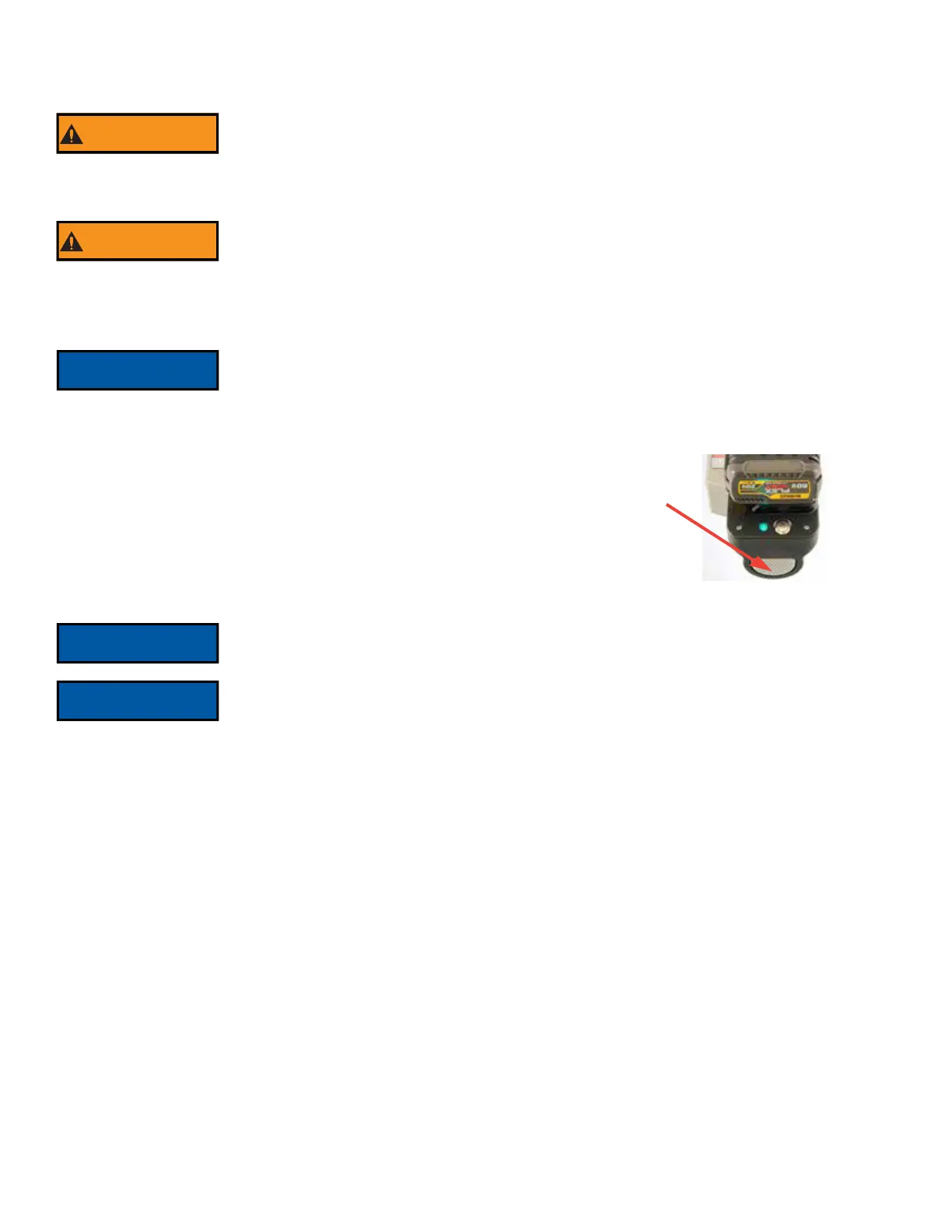
To avoid rescue tool overheating:
• Keep motor cooling vent holes unobstructed.
• Remove the battery prior to cleaning, servicing, or inspecting the tool.
• After use, clean off any accumulated oil, grease, dirt, or corrosive
substances with a damp cloth and soapy water.
6.0 SET-UP PROCEDURE
Normally, AMKUS equipment is prepared and serviced by your dealer prior to delivery. If, however, you have decided to place the
equipment into service yourself, remove equipment from the packing cartons and carefully inspect for damage. Damage that occurs
during shipment should be reported immediately to the carrier.
Tool operators bear responsibility for ensuring use of appropriate protective clothing and
equipment. The chosen protective clothing and equipment must provide protection from potential
hazards users may encounter while operating AMKUS rescue tools. Requirements for protective
clothing and equipment are determined by the Authority Having Jurisdiction (AHJ).
AMKUS tools facilitate the extrication of entrapment victims. Only trained emergency services
personnel should attempt victim extrication. All personnel using Amkus rescue tools are assumed
to have completed a training course covering safe extrication of entrapment victims. The training
must be acknowledged as educationally sound by the local Authority Having Jurisdiction (AHJ)
over such training.
AMKUS tools are intended for intermittent use. Allow sufficiently long pauses for the rescue tool to
cool. If the tool’s exterior becomes too hot to touch, the temperature is likely above 120°F (49°C). An
overheated rescue tool operates less effectively. When hydraulic oil temperature reaches 158°F
(70°C), the tool’s efficiency drops significantly, and the tool should be stopped to cool down.
Operating the rescue tool continuously against an end stop may cause overheating resulting in an
inoperable tool. Permanent damage to the tool may occur. When an end stop is reached, release the
control handle to return the control to the neutral position.
Store electric tools in a dry place.
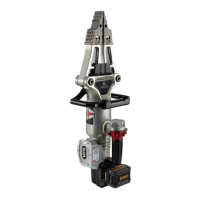
Figure 5.3


 To Next Page