AMSAFE SEATBELT AIRBAG SYSTEM
INSTALLATION, HANDLING AND SHIPPING INSTRUCTIONS E510629
TESTING AND FAULT ISOLATION
02-Aug-2013
Page 1001
TESTING AND FAULT ISOLATION
1. INTRODUCTION
A. Reasons for Testing and Fault Isolation
(1) Testing and Fault Isolation procedures are those performed by seat OEM or aircraft OEM
personnel to ensure that the AmSafe Seatbelt Airbag System is performing satisfactorily and, if
not, to determine what appropriate action to take.
B. Limitations of Testing and Fault Isolation
(1) The Testing and Fault Isolation procedures described in this section enable installation
personnel to quickly inspect the AmSafe Seatbelt Airbag System. This manual does not cover
in-depth or component level repair.
C. Scope of Testing and Fault Isolation
(1) Testing and Fault Isolation performed by the Installation personnel on the AmSafe Seatbelt
Airbag System consists of inspecting the AmSafe Seatbelt Airbag components, performing
diagnostic checks, and returning failed components to AmSafe.
D. Procedures
(1) The procedures for Testing and Fault Isolation are specified in the associated portion of this
manual.
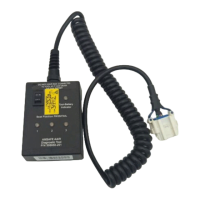
(2) The SDT’s calibration must be checked yearly. The calibration sticker on the back of the unit
will indicate when the SDT needs to be checked. The SDT must be returned to AmSafe for re-
calibration. Refer to Section 4000, “SHIPPING, TRANSPORTATION, HANDLING, AND
STORAGE,” for specific return procedures.
(3) The SDT uses a standard 9-volt battery, which is replaceable by the user. The unit has a built-
in, low-battery condition alert. The following table within the AmSafe Seatbelt Airbag
Diagnostic Check section will detail this feature and the appropriate corrective action.
(4) If the SDT is dropped, it must be recalibrated.
(5) The test procedures listed in Paragraph 2D of this section starts with the most likely to fail
components in order of the test sequence of the SDT.
(6) After a component has been determined to not be at fault, it can be placed back on the seat.


 To Next Page