EasyManua.ls Logo

ATP Electronics Piper Archer - User Manual

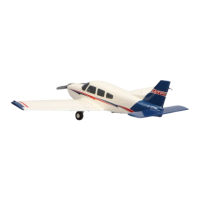
ATP Electronics Piper Archer
60 pages
Print Icon
To Next Page IconTo Next Page
Loading...
Piper Archer
Training Supplement
ATPFlightSchool.com Revised 2019-08-08

Table of Contents

Question and Answer IconNeed help?

Do you have a question about the ATP Electronics Piper Archer and is the answer not in the manual?

Summary

Important Notice

Aircraft Systems

Engine

Lycoming 4-cylinder, 180 HP, direct drive, horizontally opposed, normally aspirated engine.

Carburetor Icing

Conditions for ice formation, signs, and use of carburetor heat.

Oil

Acceptable oil range and ATP policy for adding oil.

Propeller

Sensenich two-bladed, fixed pitch, metal propeller, diameter, max RPM.

Landing Gear

Fixed tricycle gear, oleo struts, nose wheel steering mechanism.

Brakes

Hydraulically actuated disc brakes, parking brake operation.

Flaps

Manual flap system, settings, ATP flap requirements for landings.

Pitot Static System

Pitot/static system sources, alternate static source, drain valves.

Fuel System

Two 25-gallon tanks, engine-driven and electric fuel pumps, fuel selector control.

Fuel Management

Monitoring fuel burn, balanced load, ATP policy on fuel selector changes.

Electrical System

28V DC system, 24V battery, 70A alternator, voltage regulator.

Alternator Failure

Indications of failure, troubleshooting steps, circuit breakers, overvoltage relay.

Garmin G500 Overview

Garmin G500 electronic flight deck, PFD/MFD overview.

G500 Components

PFD, MFD, AHRS, ADC, Magnetometer, GPS components.

G500 PFD Functions

PFD knob functions, CDI needle color, slip/skid indicator.

Standby Instruments

Standby Attitude Indicator, operation, battery check, shutdown.

G500 Failures & Partial-Panel Approaches

Simulated AHRS/PFD failures, instrument approaches available.

AHRS Failure

Indications and pilot actions for AHRS failure.

PFD Failure

Indications and pilot actions for PFD failure.

Electrical Failure

Indication and pilot actions for electrical failure.

Air Data Computer (ADC) Failure

Indications and pilot actions for ADC failure.

Garmin G1000 Configurations

Enroute, full panel, and partial panel configurations.

Stall Warning Horn

Stall detector operation and activation.

Inoperative Instruments

Procedures for operating with inoperative equipment per FAR 91.213.

Performance and Weight & Balance

Piper Archer V-Speeds

Table of V-Speeds and their KIAS and descriptions.

Performance Charts

Overview of performance charts available, to be covered by instructor.

Sample Weight & Balance Problem

Example calculation for determining aircraft weight and balance.

Weight & Balance Formulas

Key formulas for weight and balance calculations.

CG Envelope Graph

Graph showing CG limits for different weights.

Departure Procedures

Passenger Briefing

Key points for briefing passengers before flight.

Pre-Takeoff Briefing

Procedures for engine failure before or after rotation.

Normal Takeoff (Flaps 0°)

Step-by-step procedure for a normal takeoff.

Short-Field Takeoff & Climb

Procedure for takeoff requiring maximum performance.

Soft-Field Takeoff & Climb

Procedure for takeoff from soft or rough fields.

Arrival Procedures

Piper Archer Landing Criteria

General guidelines for planning and executing landings.

Approach Briefing - Verbalize the Plan

Importance and content of approach briefings.

Announced Calls on Approach

Standard calls made during approach phases.

Stabilized Approach

Definition and conditions for a stabilized approach.

Aiming Point

Definition of aiming point for landing.

Pitch & Power Control

Using pitch and power for glidepath and airspeed control.

Go Around Philosophy

Rationale and importance of go-arounds.

Managing Energy

Controlling glidepath, speed, and power for touchdown.

Gust Factor Adjustments

Adjusting approach speed for gusty conditions.

Flap Setting for Landing

ATP standardized flap settings for landing.

Traffic Pattern Operations

Components of pattern briefings and profile.

Normal Visual Approach & Landing

Step-by-step procedure for a normal visual approach.

Short-Field Approach & Landing

Procedure for a short-field approach and landing.

Soft-Field Approach & Landing

Procedure for a soft-field approach and landing.

Power-Off 180° Accuracy Approach

Procedure for a power-off 180° approach and landing.

Crosswind Approach & Landing

Planning and techniques for crosswind landings.

Go-Around Procedure

Conditions and procedure for initiating a go-around.

Rejected or Balked Landing

Procedure for a rejected or balked landing.

Precision Approach & Landing

Procedure for ILS precision approaches.

Non-Precision Approach & Landing

Procedure for GPS/non-precision approaches.

Circling Approach

Procedure for circling approaches.

Holding Procedures

Procedures for holding patterns.

In-Flight Maneuvers

Clean Configuration Flow

Steps for achieving clean configuration.

Landing Configuration Flow

Steps for achieving landing configuration.

Steep Turns

Procedure for performing steep turns.

Maneuvering During Slow Flight

Procedure for slow flight and stall recognition.

Power-Off Stall

Procedure for demonstrating power-off stalls.

Power-On Stall

Procedure for demonstrating power-on stalls.

Emergency Descent

Procedure for an emergency descent.

Chandelles

Procedure for performing Chandelles maneuver.

Lazy Eights

Procedure for performing Lazy Eights maneuver.

Eights On Pylons

Procedure for performing Eights on Pylons.

Steep Spirals

Procedure for performing steep spirals.

Accelerated Stall

Procedure for demonstrating accelerated stalls.

Secondary Stall (Power-On)

Procedure for demonstrating power-on secondary stalls.

Secondary Stall (Power-Off)

Procedure for demonstrating power-off secondary stalls.

Elevator Trim Stall

Procedure for demonstrating elevator trim stalls.

Cross-Control Stall

Procedure for demonstrating cross-control stalls.

Oral Review

Lost Comm Procedure (FAR 91.185)

Procedures for lost communication in VFR/IFR.

FAR Review

Review of relevant Federal Aviation Regulations.

Sample Oral Questions

Questions covering V-speeds, engine, propeller, electrical systems.

Sample Oral Questions (Continued)

Questions covering landing gear, brakes, flaps, weights, V-speeds.

Sample Oral Questions (Avionics)

Questions covering fuel, electrical failure, G500, AHRS failure.

Appendix A: 172 & Archer Differences

Fuel System Differences

Compares fuel system, capacity, and burn rates.

Performance & Weight Differences

Compares V-speeds, weights, and takeoff/approach speeds.

System & Configuration Differences

Compares flaps, standby systems, and pitot heat.

Summary

Important Notice

Aircraft Systems

Engine

Lycoming 4-cylinder, 180 HP, direct drive, horizontally opposed, normally aspirated engine.

Carburetor Icing

Conditions for ice formation, signs, and use of carburetor heat.

Oil

Acceptable oil range and ATP policy for adding oil.

Propeller

Sensenich two-bladed, fixed pitch, metal propeller, diameter, max RPM.

Landing Gear

Fixed tricycle gear, oleo struts, nose wheel steering mechanism.

Brakes

Hydraulically actuated disc brakes, parking brake operation.

Flaps

Manual flap system, settings, ATP flap requirements for landings.

Pitot Static System

Pitot/static system sources, alternate static source, drain valves.

Fuel System

Two 25-gallon tanks, engine-driven and electric fuel pumps, fuel selector control.

Fuel Management

Monitoring fuel burn, balanced load, ATP policy on fuel selector changes.

Electrical System

28V DC system, 24V battery, 70A alternator, voltage regulator.

Alternator Failure

Indications of failure, troubleshooting steps, circuit breakers, overvoltage relay.

Garmin G500 Overview

Garmin G500 electronic flight deck, PFD/MFD overview.

G500 Components

PFD, MFD, AHRS, ADC, Magnetometer, GPS components.

G500 PFD Functions

PFD knob functions, CDI needle color, slip/skid indicator.

Standby Instruments

Standby Attitude Indicator, operation, battery check, shutdown.

G500 Failures & Partial-Panel Approaches

Simulated AHRS/PFD failures, instrument approaches available.

AHRS Failure

Indications and pilot actions for AHRS failure.

PFD Failure

Indications and pilot actions for PFD failure.

Electrical Failure

Indication and pilot actions for electrical failure.

Air Data Computer (ADC) Failure

Indications and pilot actions for ADC failure.

Garmin G1000 Configurations

Enroute, full panel, and partial panel configurations.

Stall Warning Horn

Stall detector operation and activation.

Inoperative Instruments

Procedures for operating with inoperative equipment per FAR 91.213.

Performance and Weight & Balance

Piper Archer V-Speeds

Table of V-Speeds and their KIAS and descriptions.

Performance Charts

Overview of performance charts available, to be covered by instructor.

Sample Weight & Balance Problem

Example calculation for determining aircraft weight and balance.

Weight & Balance Formulas

Key formulas for weight and balance calculations.

CG Envelope Graph

Graph showing CG limits for different weights.

Departure Procedures

Passenger Briefing

Key points for briefing passengers before flight.

Pre-Takeoff Briefing

Procedures for engine failure before or after rotation.

Normal Takeoff (Flaps 0°)

Step-by-step procedure for a normal takeoff.

Short-Field Takeoff & Climb

Procedure for takeoff requiring maximum performance.

Soft-Field Takeoff & Climb

Procedure for takeoff from soft or rough fields.

Arrival Procedures

Piper Archer Landing Criteria

General guidelines for planning and executing landings.

Approach Briefing - Verbalize the Plan

Importance and content of approach briefings.

Announced Calls on Approach

Standard calls made during approach phases.

Stabilized Approach

Definition and conditions for a stabilized approach.

Aiming Point

Definition of aiming point for landing.

Pitch & Power Control

Using pitch and power for glidepath and airspeed control.

Go Around Philosophy

Rationale and importance of go-arounds.

Managing Energy

Controlling glidepath, speed, and power for touchdown.

Gust Factor Adjustments

Adjusting approach speed for gusty conditions.

Flap Setting for Landing

ATP standardized flap settings for landing.

Traffic Pattern Operations

Components of pattern briefings and profile.

Normal Visual Approach & Landing

Step-by-step procedure for a normal visual approach.

Short-Field Approach & Landing

Procedure for a short-field approach and landing.

Soft-Field Approach & Landing

Procedure for a soft-field approach and landing.

Power-Off 180° Accuracy Approach

Procedure for a power-off 180° approach and landing.

Crosswind Approach & Landing

Planning and techniques for crosswind landings.

Go-Around Procedure

Conditions and procedure for initiating a go-around.

Rejected or Balked Landing

Procedure for a rejected or balked landing.

Precision Approach & Landing

Procedure for ILS precision approaches.

Non-Precision Approach & Landing

Procedure for GPS/non-precision approaches.

Circling Approach

Procedure for circling approaches.

Holding Procedures

Procedures for holding patterns.

In-Flight Maneuvers

Clean Configuration Flow

Steps for achieving clean configuration.

Landing Configuration Flow

Steps for achieving landing configuration.

Steep Turns

Procedure for performing steep turns.

Maneuvering During Slow Flight

Procedure for slow flight and stall recognition.

Power-Off Stall

Procedure for demonstrating power-off stalls.

Power-On Stall

Procedure for demonstrating power-on stalls.

Emergency Descent

Procedure for an emergency descent.

Chandelles

Procedure for performing Chandelles maneuver.

Lazy Eights

Procedure for performing Lazy Eights maneuver.

Eights On Pylons

Procedure for performing Eights on Pylons.

Steep Spirals

Procedure for performing steep spirals.

Accelerated Stall

Procedure for demonstrating accelerated stalls.

Secondary Stall (Power-On)

Procedure for demonstrating power-on secondary stalls.

Secondary Stall (Power-Off)

Procedure for demonstrating power-off secondary stalls.

Elevator Trim Stall

Procedure for demonstrating elevator trim stalls.

Cross-Control Stall

Procedure for demonstrating cross-control stalls.

Oral Review

Lost Comm Procedure (FAR 91.185)

Procedures for lost communication in VFR/IFR.

FAR Review

Review of relevant Federal Aviation Regulations.

Sample Oral Questions

Questions covering V-speeds, engine, propeller, electrical systems.

Sample Oral Questions (Continued)

Questions covering landing gear, brakes, flaps, weights, V-speeds.

Sample Oral Questions (Avionics)

Questions covering fuel, electrical failure, G500, AHRS failure.

Appendix A: 172 & Archer Differences

Fuel System Differences

Compares fuel system, capacity, and burn rates.

Performance & Weight Differences

Compares V-speeds, weights, and takeoff/approach speeds.

System & Configuration Differences

Compares flaps, standby systems, and pitot heat.

ATP Electronics Piper Archer Specifications

General IconGeneral
BrandATP Electronics
ModelPiper Archer
CategoryAircrafts
LanguageEnglish